The westernmost municipality of Menorca holds the island's old capital, its long south coast of white sand and its quiet north shore of reddish rock. One area, several coasts, and a festival that fills the town each June.
409stays in the IMPT hotel database
1area guide
Menorcaisland
Ciutadella de Menorca is the municipality that covers the west of Menorca, from the old capital on its harbour to the capes and coves on either side. It is a former capital, a cathedral town and a working harbour, with a rural interior of dry-stone walls and two coastlines that could belong to different islands. Use it as a base for the west.
01
A municipality of its own
Ciutadella de Menorca is a municipality, not a single town. It covers the western end of Menorca, from the land around Ferreries to the sea, and takes in the old capital, the rural interior and a long coastline on two sides. That makes it the largest administrative area in the west and the one with the clearest edge: beyond its boundary, the island changes tone. The land rises gently inland and then breaks into coves along the south, while the north shore stays low and open.
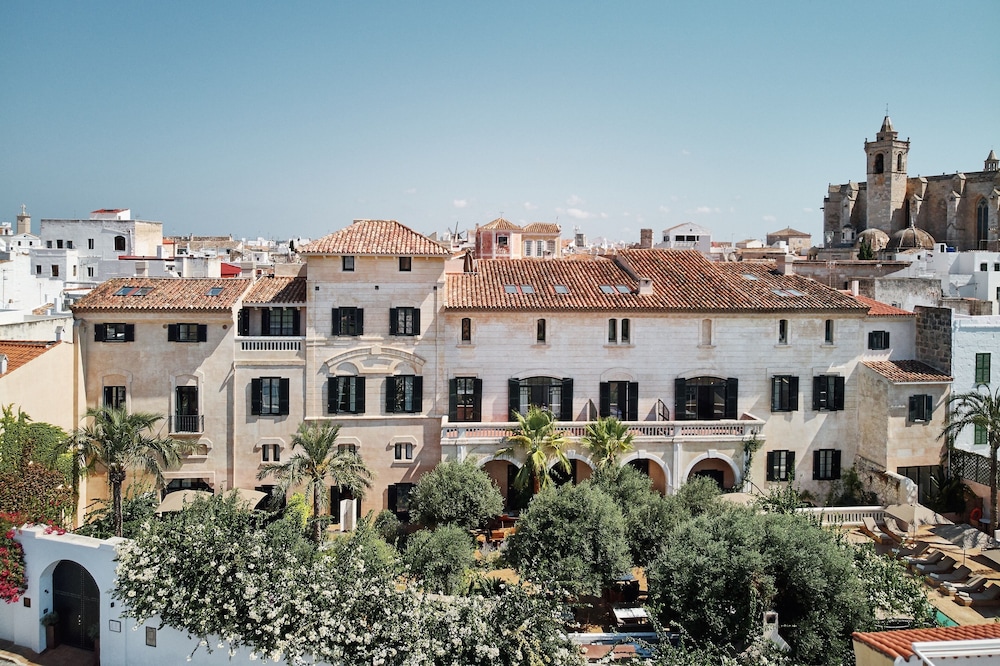
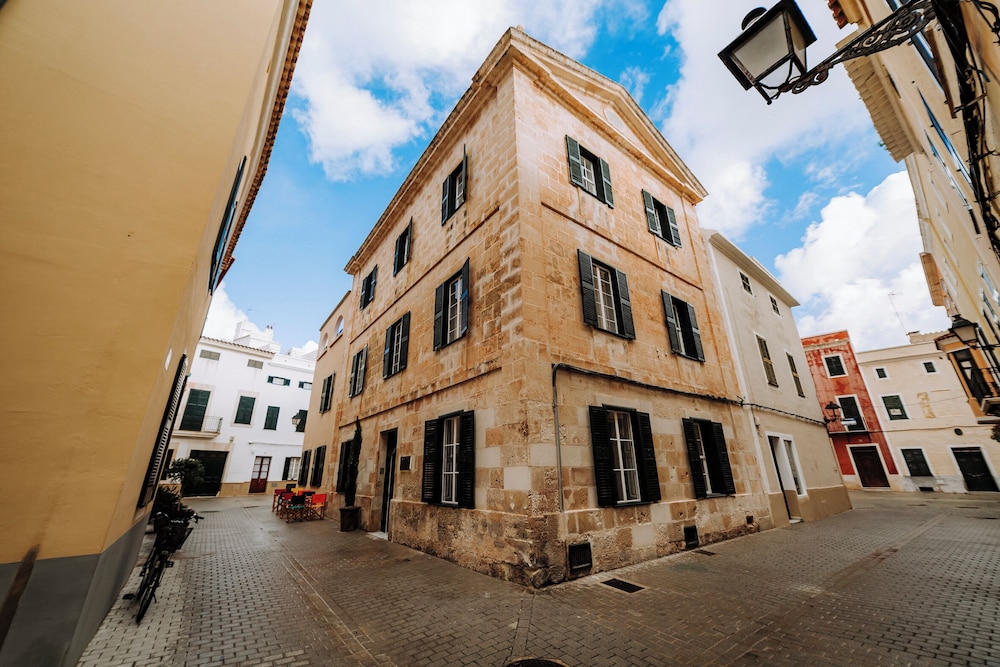
The difference is easiest to feel in the town itself. Ciutadella was the capital of Menorca until the British moved the administration to Maó in the 18th century, and it kept the look of a capital: a cathedral, narrow streets, large town houses and a harbour at the foot of the old walls. Maó grew outward as a naval port; Ciutadella stayed inward, and it shows. Beyond the old town the municipality turns rural very quickly: fields, stone walls and lanes that end at the coast.
02
The town and its villages
Most visits begin in Ciutadella itself. The old town sits just above the port, with the cathedral at its centre and a ring of streets that keep the line of the medieval walls. The grid is small enough to walk in an hour and dense enough to keep you longer. A separate guide covers Ciutadella town in detail; start there for the cathedral, the port steps and the evening walk.
Beyond the town, the municipality is mostly countryside. Farmsteads and hamlets are spread across the interior, linked by lanes between dry-stone walls, and the coast holds a handful of small settlements that grew around a beach or a small harbour. None of them is large. The pattern is the same across the west: a tight town, a wide rural belt, then the sea, and very little in between. Driving through it takes less time than you expect, and walking through it takes much more.
The municipal market in Ciutadella, Menorca03
Two coasts, two characters
The south coast of the municipality is the Menorca most people picture. Limestone breaks into small coves with white sand and pines reaching down to the water: Cala Turqueta, Cala Macarella with its smaller neighbour Macarelleta, and Son Saura at the end of a long lane from the interior. The water is shallow for a long way out and clear over sand and posidonia. Facilities are few, and that is part of the point.
The north is a different island. The rock is older and darker, the sand carries a reddish tone, and wind arrives more often than not. Cala Morell is the best known of the municipality's northern inlets, a narrow cove cut into the cliff with rock-cut tombs in the walls above it, and the swimming is bracing rather than calm. Fewer people stop on this side, and the coast road is quieter for it.
South coastWhite sand and pine, shallow water, reached by road or on foot along the Camí de Cavalls.
North coastOlder, darker rock, reddish sand and more wind; the water is cooler and the coves quieter.
AccessSome coves are served by seasonal buses, and access rules tighten in high summer.
FacilitiesMost coves have little or nothing; carry water and take everything back with you.
04
The Biosphere Reserve at work
Menorca has been a UNESCO Biosphere Reserve since 1993, and the whole island is included, not only the parts that look wild. In Ciutadella that means the coves, the cliffs, the farmland and the seabed all count. The posidonia meadows offshore are the reason the water stays clear, and they are protected. The Camí de Cavalls, the coast path that circles Menorca, crosses the municipality from end to end.
The two capes at the ends of the municipality are the quietest places in the west. Punta Nati, in the north-west, is bare, windy and exposed, with a lighthouse at the end of a minor road. Cap d'Artrutx closes the south-west, with a lighthouse on the point and open water beyond. Both are good for watching weather arrive, and neither asks anything of you beyond a walk.
Protect itThe posidonia meadows offshore are protected, and anchoring over them is regulated by a Balearic decree. Use the mooring buoys where they are installed in summer, and check the rules before you anchor.
05
Stone, faith and horses
Menorca's prehistoric past sits close to the surface here. The Naveta des Tudons, a boat-shaped collective tomb a short way outside Ciutadella, is the best known monument of its kind on the island, and the talayotic sites of the west belong to the same world. Talayotic Menorca joined the UNESCO World Heritage list in 2023. Most of these stones stand in fields with no fence and no board; treat them as you would a church.
The town's own history runs from the medieval street plan to the cathedral on the hill and the harbour below it, where the trading wealth came in. The event that defines the year is Sant Joan, around 23 and 24 June, when riders on Menorcan horses take the narrow streets and the whole town comes out. The dates and the programme are set each year, so check with the town council before planning around it.
For two days each June the old capital belongs to horses, riders and the crowd.
06
Food, market and everyday life
Menorca eats well and quietly. The island's best-known product is Mahón-Menorca cheese, made with milk from Menorcan cows and sold under a protected designation of origin: mild when young, sharper as it ages, and on almost every table in the municipality. Fish comes in through the port, and the lobster stew called caldereta de llagosta is the dish the island is known for, made slowly and eaten at lunch. Nothing about it is complicated; it depends on the fish and on time.
Ciutadella has a market in the old town and a shopping rhythm that continues outside the tourist months, which matters in winter when much of the coast is shut. Fruit and vegetables come from the interior and the fish depends on the day. The gin tradition that arrived with the British in the 18th century survives across the island, and a pomada, gin with lemonade, is the local summer drink. Cheese and olives travel well if you are taking food home.
CheeseMahón-Menorca carries a protected designation of origin; buy it young or cured.
FishThe port sets the day's supply, and the lobster stew is a Menorcan standard.
MarketThe town market keeps going through the winter, unlike much of the coast.
Sunset at the Pont d'en Gil sea arch near Ciutadella, Menorca07
Getting there and around
Menorca Airport (MAH) sits a short way south-west of Maó, at the other end of the island. The straight-line distance from the airport to Ciutadella is modest, but the road bends: the main route runs west through Alaior, Es Mercadal and Ferreries, over the gentle rise in the middle of Menorca, and the drive takes longer than the map suggests. Allow time, and check the current bus timetable with the island bus operator.
The municipality is easy to cross by car, and the lanes to the coves are narrow but signed. Buses link Ciutadella with Maó through the day and reach parts of the coast in season; the network thins sharply out of season. Walking the Camí de Cavalls is the slow way to see the coast, and cycling the inland lanes is a good middle ground. Parking at the popular coves fills early in summer.
Check before you goAccess to the busiest south-coast coves is controlled in high summer, with seasonal buses and parking limits. Check the current rules with the Consell Insular de Menorca before setting out.
08
Who should stay here
There are 411 stays in the IMPT collection within the municipality, spread across the old town, the rural interior and the coast. The choice is really about which of those three you want. Staying in Ciutadella town means walking to dinner and driving to the beach; staying inland means space, quiet and a car for everything; staying on the coast means the sea at the end of the road and very little in winter.
The municipality suits people who want a base with a real town in it. Ciutadella has winter life, a market and a harbour that keeps working in November, which is not true of every coastal settlement on the island. It also suits walkers and cyclists, who can join the Camí de Cavalls without crossing the island first. Families tend to head for the south coast; walkers and couples, north. Book early for Sant Joan week, when the town fills.
09
When to go, what closes
The season in Ciutadella runs roughly from Easter to October and is at its fullest in July and August. Sant Joan in late June is the busiest few days of the year in the town, with beds booked long ahead. May, June and September give the best balance: warm sea, open businesses and room to move. The sea is typically about 18-19 °C in May and 23-25 °C in September. August is hot, crowded and best booked well in advance.
Out of season, much of the coast closes. Many hotels, beach bars, boat trips and seasonal buses stop roughly from November to April, and many restaurants close with them. Ciutadella town stays open year-round, as do Maó and the other main towns, and flights and ferries are fewer. Winter is for walking, dry-stone walls, empty coves and weather. The sustainable tourism tax is charged per night by the accommodation; rates change, so check the Balearic government site.
Sant JoanAround 23 and 24 June; the dates and programme are confirmed each year by the town council.
Sea temperatureTypically about 18-19 °C in May, 25-26 °C in August and 23-25 °C in September.
WinterMany coastal hotels, bars and boat trips close roughly from November to April.
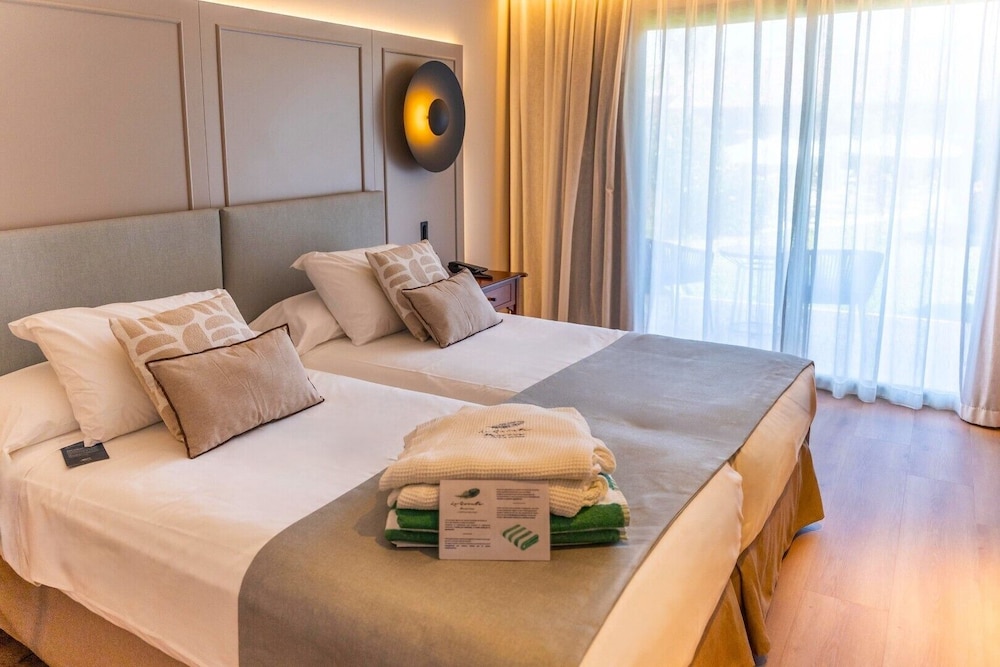
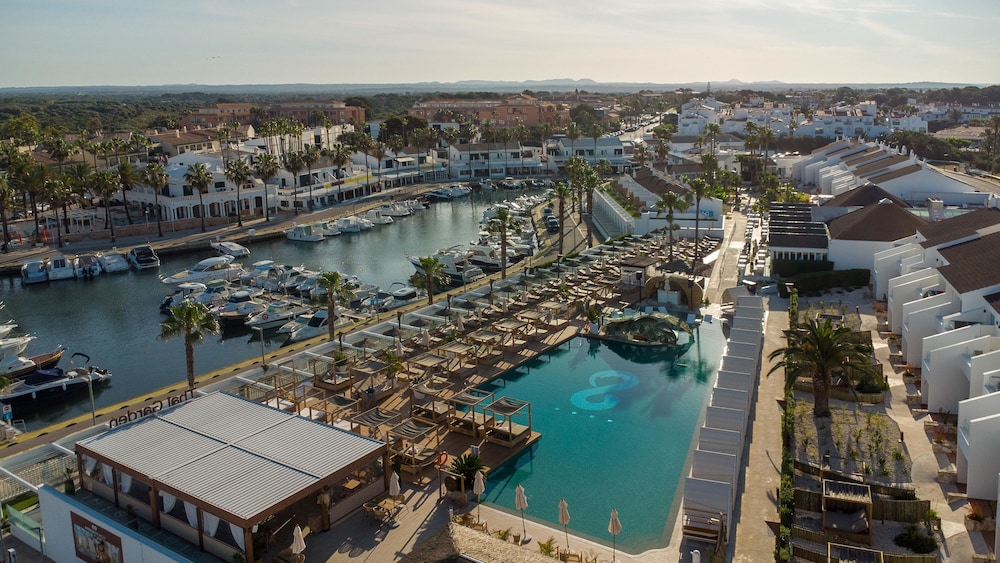
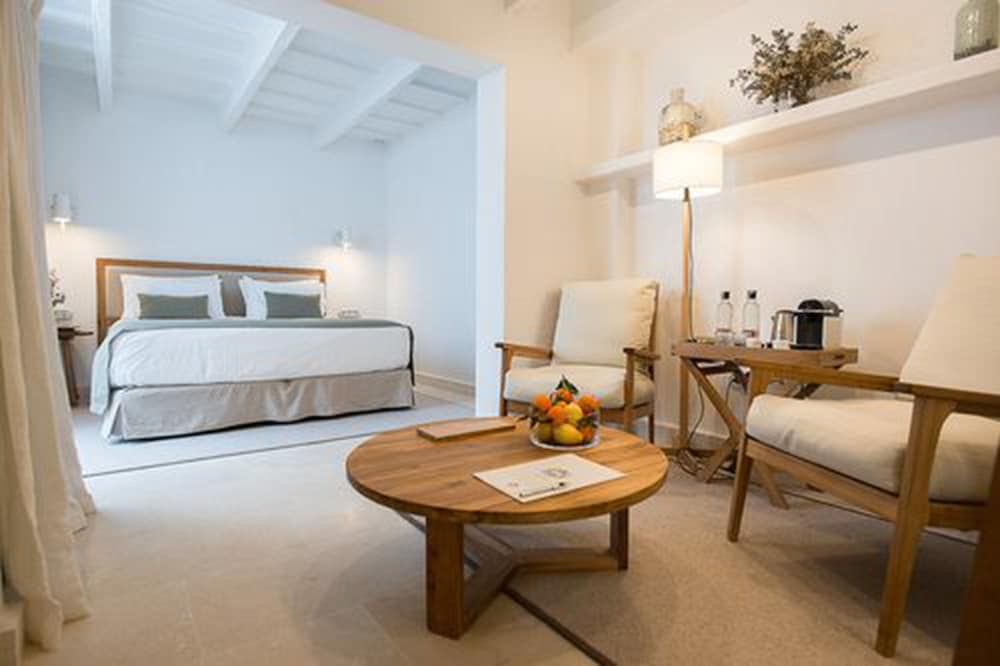
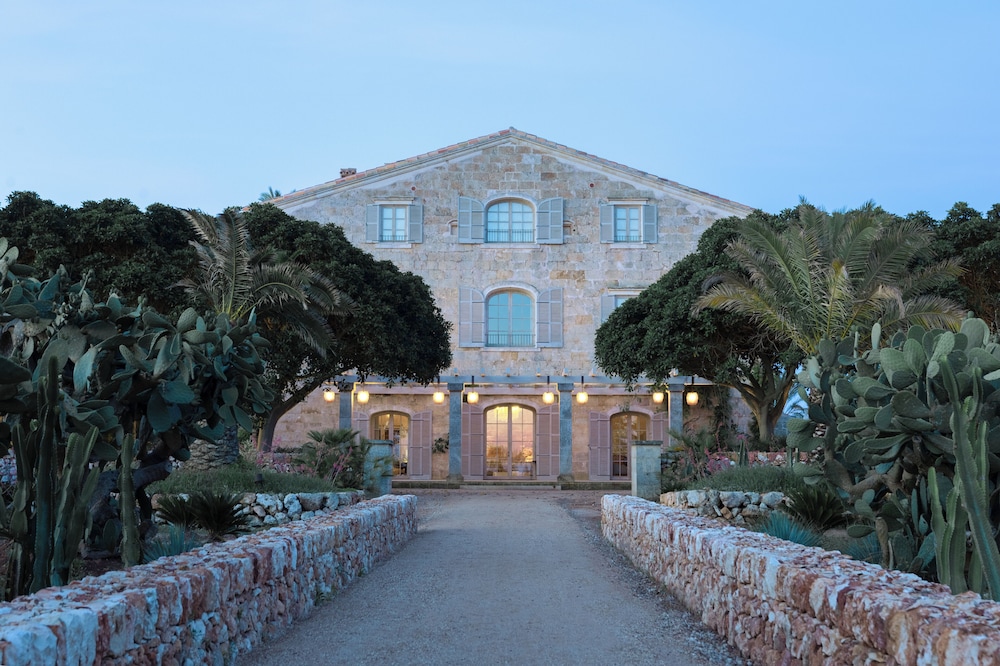
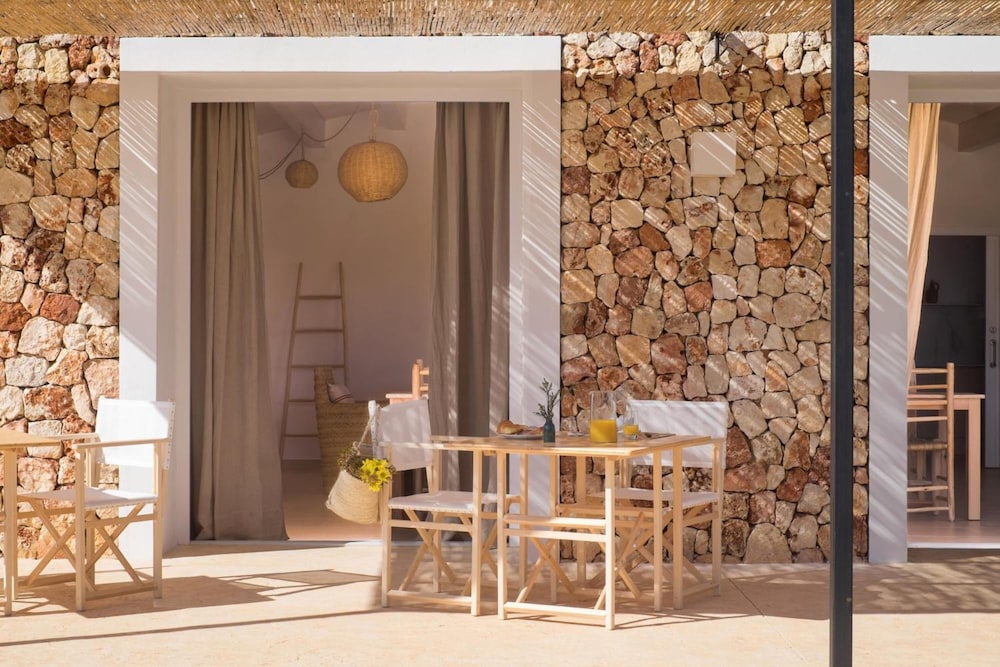
Stays in Ciutadella: the first 9 of 409 stays in the IMPT hotel database in or close to Ciutadella de Menorca, five-star first, then four-star, then by guest score. Each button opens live prices for your dates in the IMPT app.
Ciutadella de Menorca is the municipality at the western end of Menorca, one of the Balearic Islands. It includes the old capital, Ciutadella, the rural interior around it and the coast on both the north and south sides. Ferreries is its neighbour to the east; Maó, the current capital, lies at the other end of the island.
Do you need a car to visit Ciutadella de Menorca?
A car helps. Buses link Ciutadella with Maó and reach parts of the coast in season, but the network thins sharply from November to April and the quieter coves are awkward without one. Cycling works well on the inland lanes. Check the current timetable with the island bus operator before relying on buses for a beach day.
Which beaches are in the municipality of Ciutadella de Menorca?
The south coast holds the best known: Cala Turqueta, Cala Macarella and Macarelleta, and Son Saura, all white sand and pine with few facilities. The north coast is different, with older, darker rock and reddish sand; Cala Morell is the best known inlet there, cut into the cliff with rock-cut tombs above it. Access rules change in high summer.
When is the Sant Joan festival in Ciutadella?
Sant Joan falls around 23 and 24 June, when riders on Menorcan horses take the streets of the old town and the crowds come out. It is the busiest few days of the year in Ciutadella and beds are booked long ahead. The exact dates and programme are confirmed each year, so check with the town council.
Is Ciutadella de Menorca worth visiting out of season?
Yes, if you want the town rather than the beach. Ciutadella stays open year-round, with its market, its streets and its harbour working through the winter, while much of the coast closes roughly from November to April. Flights and ferries are fewer. Walking the Camí de Cavalls and the inland lanes is at its best in cool, clear weather.
How do you get from Menorca Airport to Ciutadella?
Menorca Airport (MAH) is south-west of Maó, at the opposite end of the island. By road the usual route runs west through Alaior, Es Mercadal and Ferreries to Ciutadella, and the drive takes longer than the straight-line distance suggests. Buses run between Maó and Ciutadella; check the island bus operator for current times and connections.
Can you walk the Camí de Cavalls from Ciutadella?
Yes. The Camí de Cavalls, the historic bridleway that circles Menorca, crosses the municipality and can be joined in and around Ciutadella. The stages along the south coast pass above the white sand coves, and the northern stages are rougher and more exposed. Carry water, check the stage lengths and remember that some coastal businesses close from November to April.
What is there to see in Ciutadella besides the beaches?
The old town above the port, with the cathedral at its centre and narrow streets on the medieval plan. The Naveta des Tudons, a prehistoric boat-shaped tomb outside the town, and other talayotic sites of the west. The capes at Punta Nati and Cap d'Artrutx, each with a lighthouse. And the town's own year, which turns on Sant Joan in June.
Is Ciutadella de Menorca a good base for families?
It can be. The south coast coves have shallow water and a gradual entry, though facilities are few and parking fills early in summer. The town itself is compact and walkable, with a harbour to look at and a market. Families usually settle on the coast; the old town suits people who want a town around them through the evening.