
How the offset works
Four steps, in this order. Nothing in them is optional, nothing is added at checkout, and none of it needs anything from you beyond the booking itself.
The tonne is not an average spread across a year and not a block bought in bulk at the end of one. It is funded booking by booking, and the credit is verified before it counts.
- 01You book a room at the live rateThe price on the page is the live rate for the dates you picked. Nothing is added to it for carbon.
- 02IMPT funds one tonne of verified CO₂ offsetEvery single booking funds one tonne, whichever IMPT site it was made from.
- 03The credit is retired against a registered projectThe tonne is matched to a registered climate project and retired there, so the same tonne cannot be counted twice.
- 04The offset is reported on your tripWhat was offset is attached to that journey rather than to a year-end total.
That is the whole mechanism. One booking, one live price, one tonne, reported back against the trip it belongs to.
Why carbon matters on the islands
Carbon and nature are part of any island trip. This page sets out the local picture on Ibiza, Menorca and Formentera: blue carbon in posidonia meadows, protected parks and the Menorca Biosphere Reserve, scarce water, island energy and lower-carbon travel. It also explains how every hotel booking made through IMPT funds one tonne of verified CO₂ offset, included in the price and reported for each trip. That is a contribution, not a claim that a stay has no impact.
Why carbon and climate matter here
The Balearic Islands are small, sunny and visited, and that combination shapes their carbon profile. Electricity has relied largely on fossil-fuel power stations and on submarine cables linking the islands and mainland Spain. Solar capacity is growing, and the Balearic government has climate and energy targets, but plans change, so check the Govern de les Illes Balears. Flights are the largest part of a visitor's footprint, while ferries from mainland Spain serve Ibiza and Menorca.
Demand is seasonal. Many hotels, beach bars, boat trips and seasonal buses close roughly from November to April, while the main towns stay open year-round. The summer peak concentrates energy use, water demand, waste and road traffic into a few months. That makes efficiency and planning more important than a green label. The Balearic sustainable tourism tax funds environmental and heritage projects, and the rate depends on accommodation and season. Rates change, so check the Govern de les Illes Balears.
Every hotel booking made through IMPT funds one tonne of verified CO₂ offset, included in the price and reported for each trip. That is a contribution to climate action, not a claim that a stay has no impact. Flights, ferries and summer air-conditioning still produce emissions. The offset sits alongside local choices: shorter flights, longer stays, buses, bikes and walking. The aim is to reduce what can be reduced and report what remains for each booking.
Posidonia meadows and blue carbon
Posidonia oceanica is a flowering seagrass found only in the Mediterranean. It is a genuine blue carbon habitat: carbon is stored in its roots and in the thick mat of dead material, the matte, beneath the meadow. If undisturbed, the matte can build up over centuries or millennia. The meadows grow from the shallows to about 30 to 40 m deep. The meadows between Ibiza and Formentera are among the best preserved in the Mediterranean.
The carbon store is fragile. When anchors or dredging tear the matte, stored carbon can be released, and recovery is slow. A Balearic decree from 2018 protects posidonia and regulates anchoring. Mooring buoys are installed in some bays in summer. Rules and buoy availability change, so check the Balearic government or the natural park office. Choosing an operator that uses buoys and never anchors on seagrass is a direct way to limit local damage.
The meadows between Ibiza and Formentera are part of the UNESCO World Heritage Site listed in 1999 as Ibiza, Biodiversity and Culture. The listing also covers Dalt Vila, Sa Caleta and Puig des Molins. For visitors, the practical point is simple: the seagrass is not scenery. It is working infrastructure for the coast, holding sediment, supporting fish and storing carbon. A boat trip that avoids the meadows, or uses a licensed buoy, protects that store.

Parks, EU protections and Biosphere
Much of the islands' coast and sea lies inside protected areas. Ses Salines Natural Park spans the south of Ibiza, the north of Formentera and the sea between them, and it is a Ramsar-listed wetland where salt is still harvested. On Ibiza, Cala d'Hort, Cap Llentrisca and Sa Talaia form another protected natural park. These places are not only scenery. They hold dunes, salt pans, cliffs and seagrass. Check the natural park office for access and boat rules.
Menorca has been a UNESCO Biosphere Reserve since 1993. The designation covers the whole island. S'Albufera des Grau Natural Park is the core zone, with a lagoon, dunes and the Favàritx cape. The reserve is not a museum: people live and work inside it, and farming, tourism and water use all shape its condition. Biosphere status is a framework for management, not a guarantee that every cove is pristine. Check the Consell Insular de Menorca for current plans and closures.
The prehistoric sites of Talayotic Menorca were added to the World Heritage list in 2023. They sit in the same landscape as the Camí de Cavalls, the historic bridleway around the coast. Protection works best when culture and nature are planned together: a maintained path, a respected site and a beach reached by bus all reduce pressure. Visitors can help by staying on marked routes and avoiding dunes. Check the Consell Insular de Menorca for site access.

Water, desalination and island energy
Fresh water is scarce. Ibiza and Formentera rely heavily on desalination plants, which use a lot of energy, and their aquifers are under pressure from summer demand and salt intrusion. Menorca also relies on aquifers. The result is a simple link: every extra shower, pool top-up and garden watering adds to an energy load that is still partly met by fossil fuels. Visitors can help by reusing towels, reporting leaks and refilling bottles rather than buying new ones.
Electricity on the islands has relied largely on fossil-fuel power stations and on submarine power cables linking the islands with each other and with mainland Spain. Solar capacity is growing, and the Balearic government has climate and energy targets. The exact mix changes, so check the Govern de les Illes Balears. For a visitor, the practical response is to use less at peak times: air-conditioning at a moderate setting, lights off, and charging devices when demand is lower.
The Balearic sustainable tourism tax funds environmental and heritage projects. The rate depends on the category of accommodation and on the season, with reductions in low season and for longer stays; children under 16 are exempt. Rates and rules change, so check the Govern de les Illes Balears before booking. The tax is not a carbon offset. It is a public fund for local projects, separate from the verified CO₂ offset included with an IMPT hotel booking.
Travelling lighter on and between islands
Flights are usually the largest part of a visitor's footprint. Ferries from mainland Spain serve Ibiza and Menorca, and they can replace a flight for part of the journey, though timetables are fewer in winter. Formentera has no airport: fly to Ibiza, then take a ferry from Ibiza Town port to La Savina. Fast ferries take about 30 to 35 minutes; conventional ferries take about an hour. Check the operators for current timetables.
On land, the island buses, bikes and walking are the low-carbon options. Formentera has signposted green routes for walking and cycling, and the island council caps the number of visitor vehicles in high season. Check the Consell de Formentera before bringing or hiring a car. Menorca's Camí de Cavalls is a long-distance path around the coast. Staying longer in one base reduces repeated transfers. Many seasonal buses and boat trips close roughly from November to April.
On the water, choose boat trips that use mooring buoys and never anchor on seagrass. The rules are set by a Balearic decree, and they change, so check the Balearic government or the natural park office. Refill water bottles where available, carry a bag for waste and avoid single-use plastic. Every hotel booking made through IMPT funds one tonne of verified CO₂ offset, included in the price and reported for each trip. That reporting shows the climate contribution.
- Use island buses: Island buses reach many beaches, towns and trailheads, especially in summer, but seasonal routes and timetables change, so check the island bus operator.
- Choose a buoy: On boat trips, ask for a vessel that uses mooring buoys and never anchors on posidonia; check current rules with the natural park office.
- Stay longer: A longer stay in one base cuts repeated transfers and makes walking, cycling and buses more practical; many seasonal businesses close roughly from November to April.
- Refill bottles: Carry a refillable bottle and use drinking-water points where available; this reduces plastic waste and the energy used to move bottled water to the islands.
- Check the tax: The Balearic sustainable tourism tax rate depends on accommodation category and season, so check the Govern de les Illes Balears for current rules.
- Take the ferry: Ferries from mainland Spain serve Ibiza and Menorca and can replace a flight for part of the journey, though winter sailings are fewer, so check operators.
The projects behind the credits
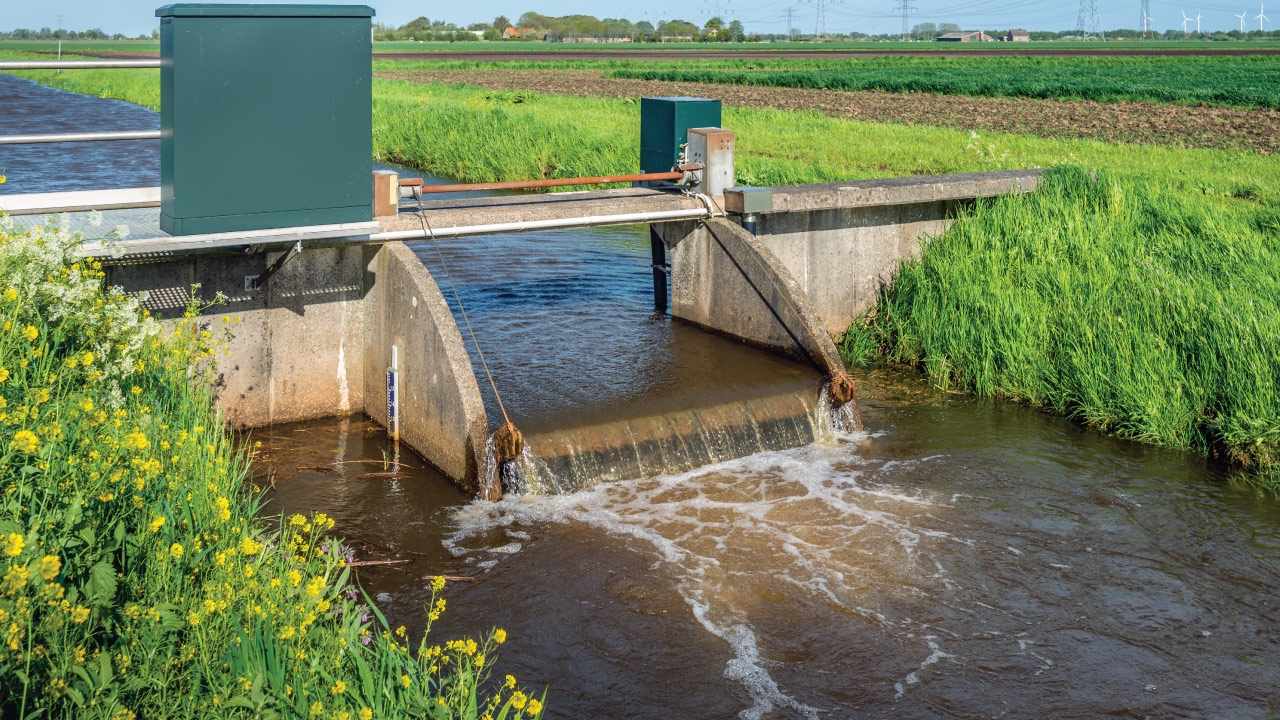
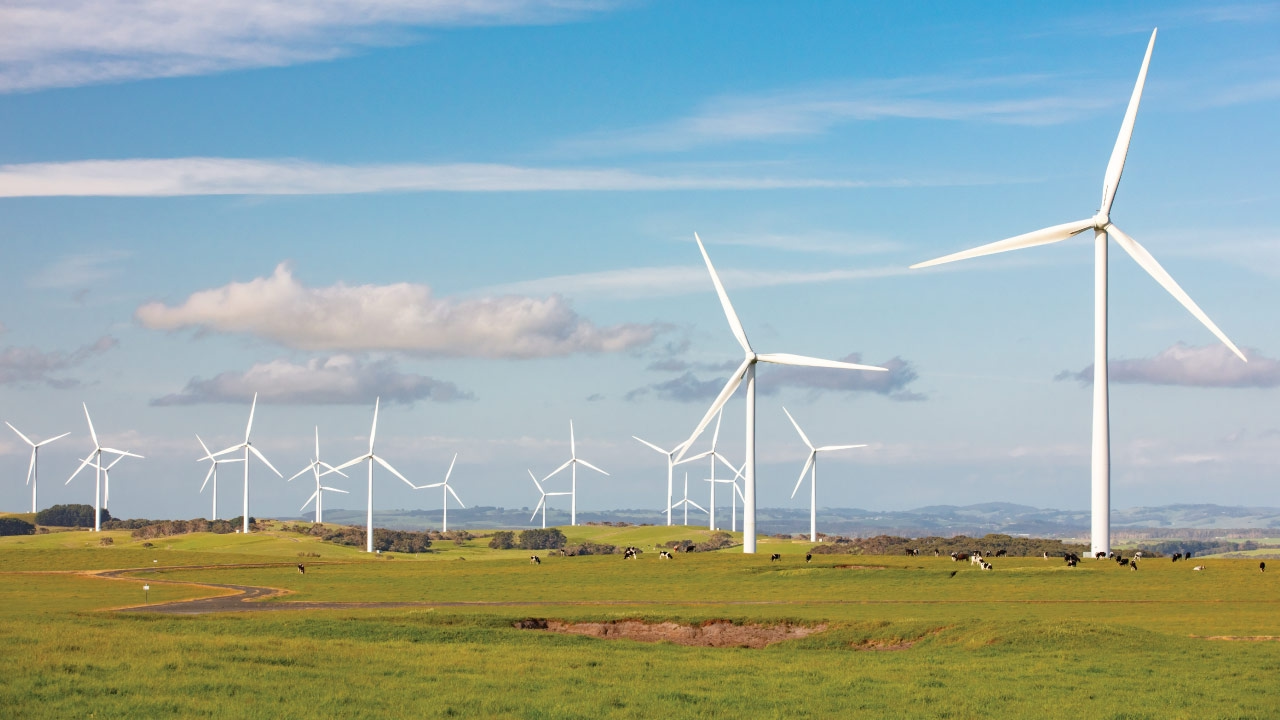
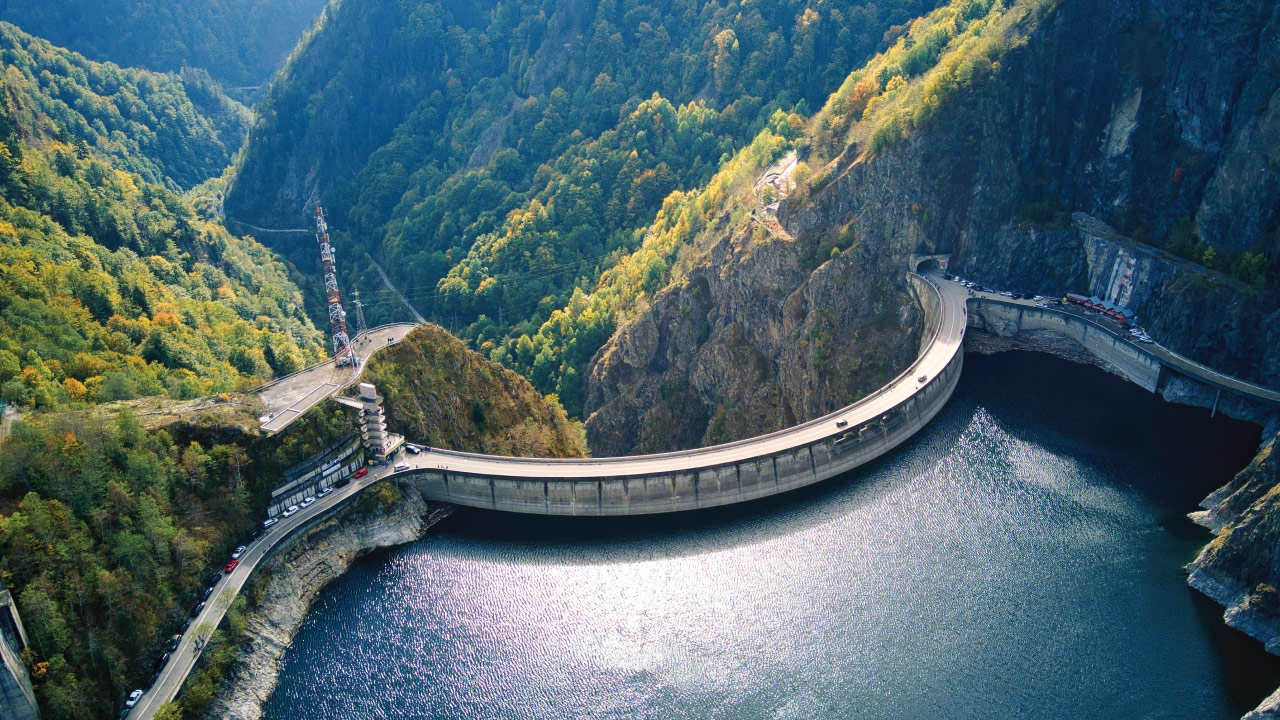
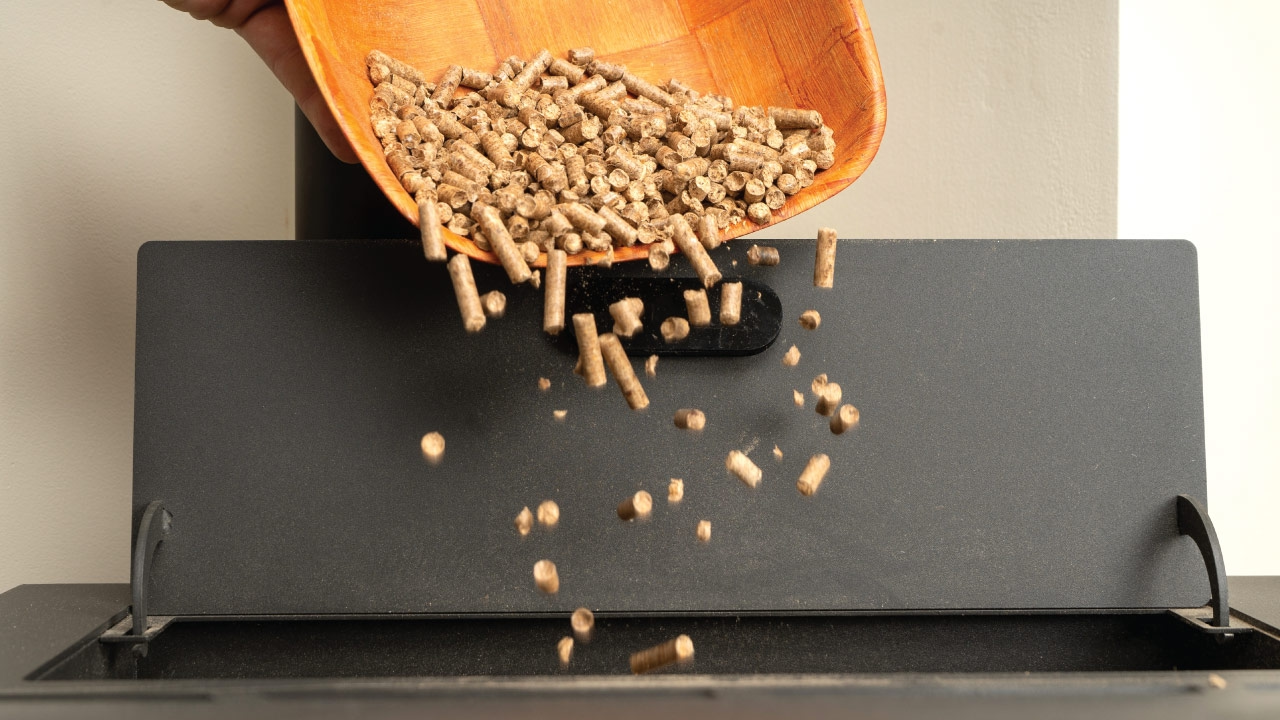
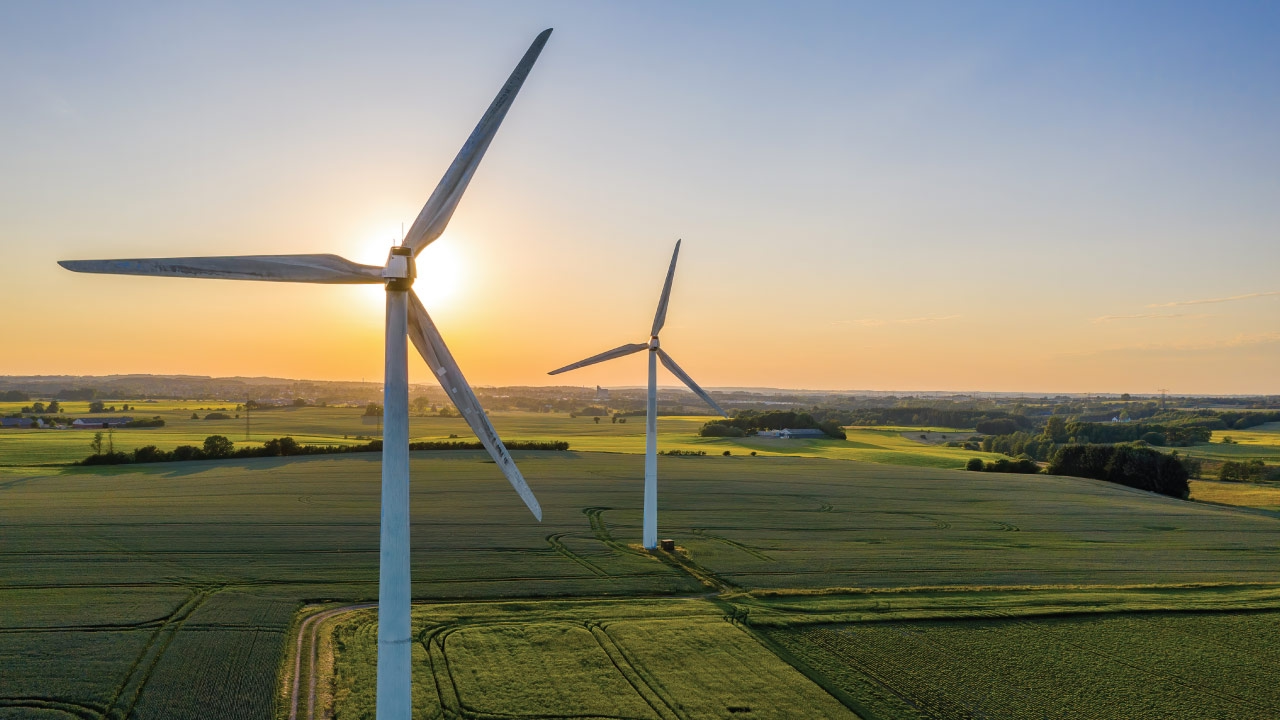
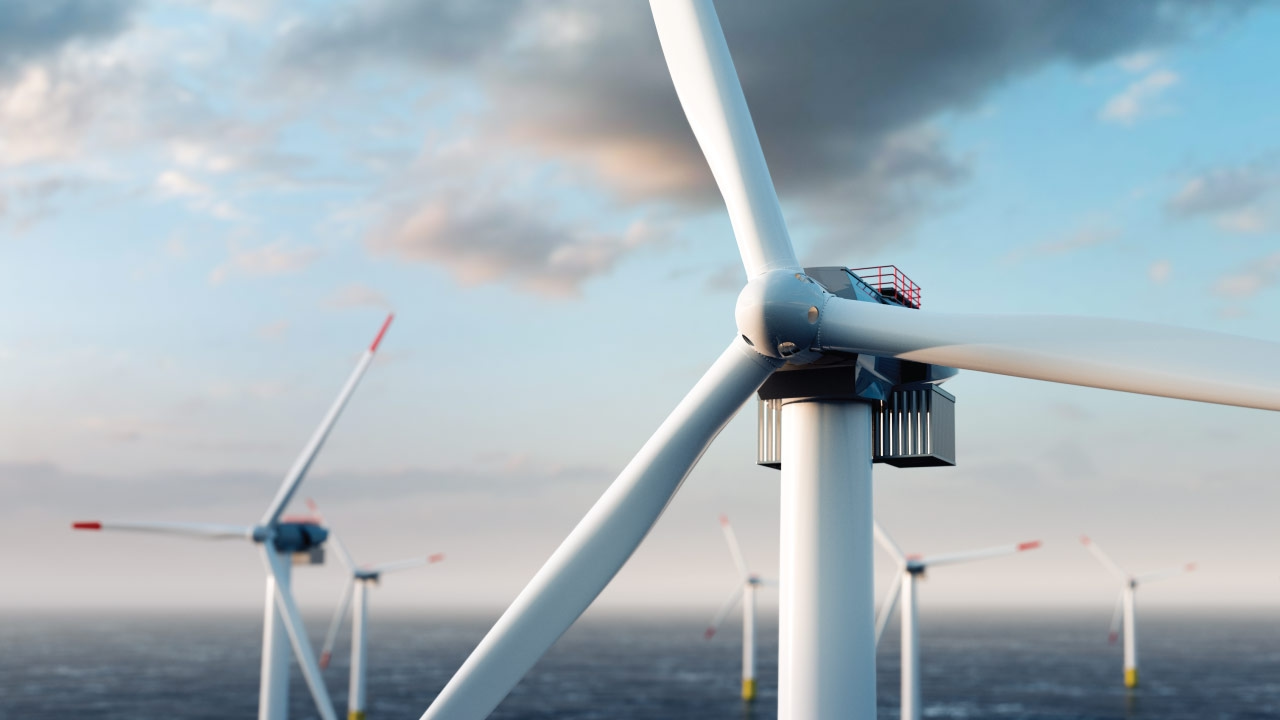
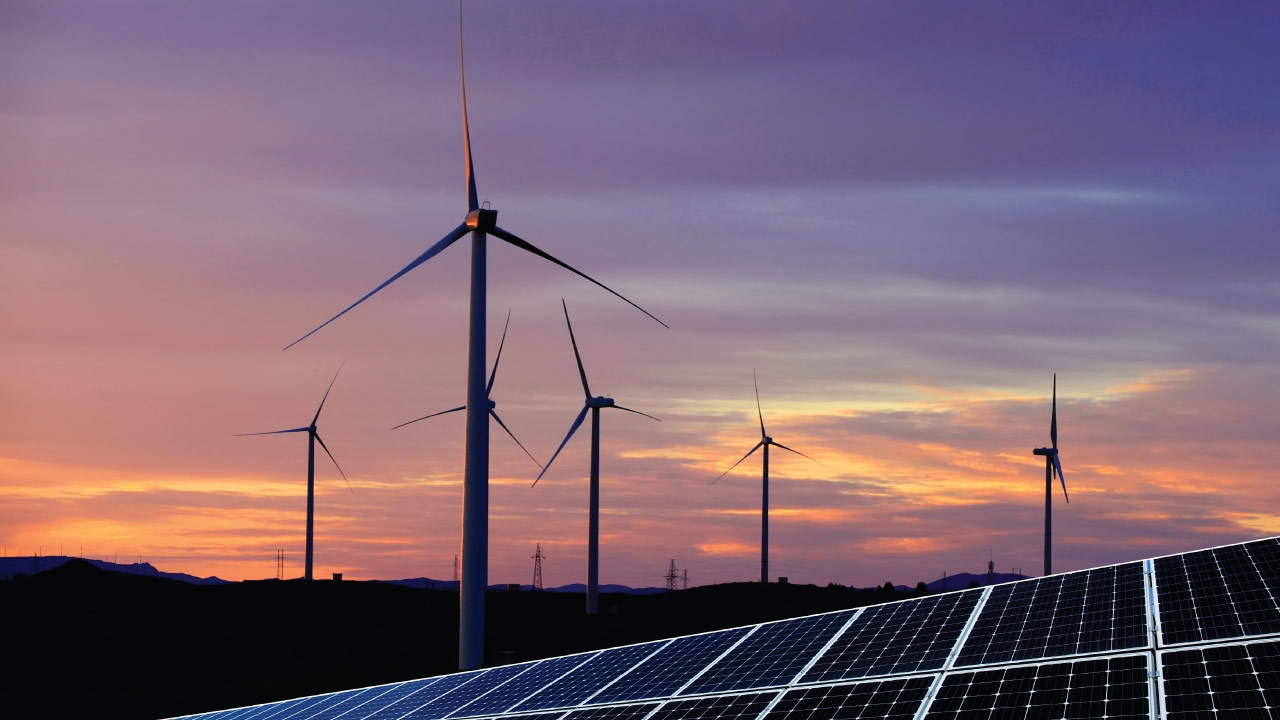
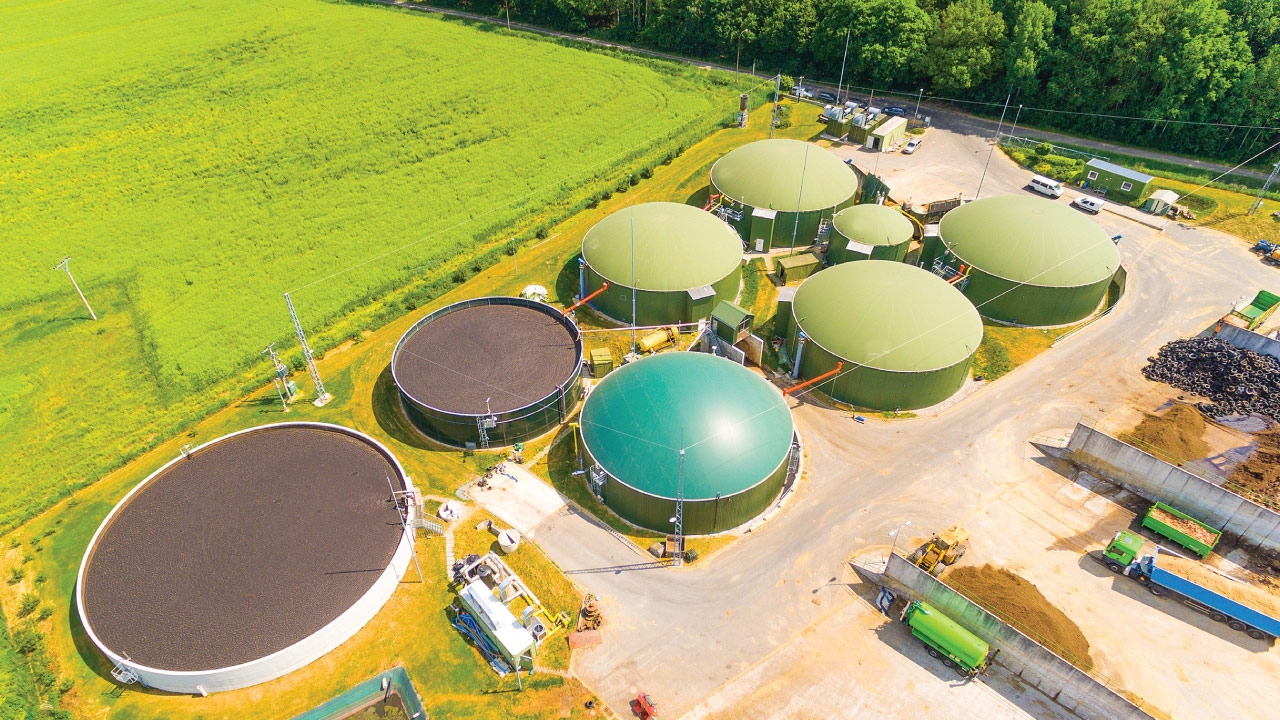
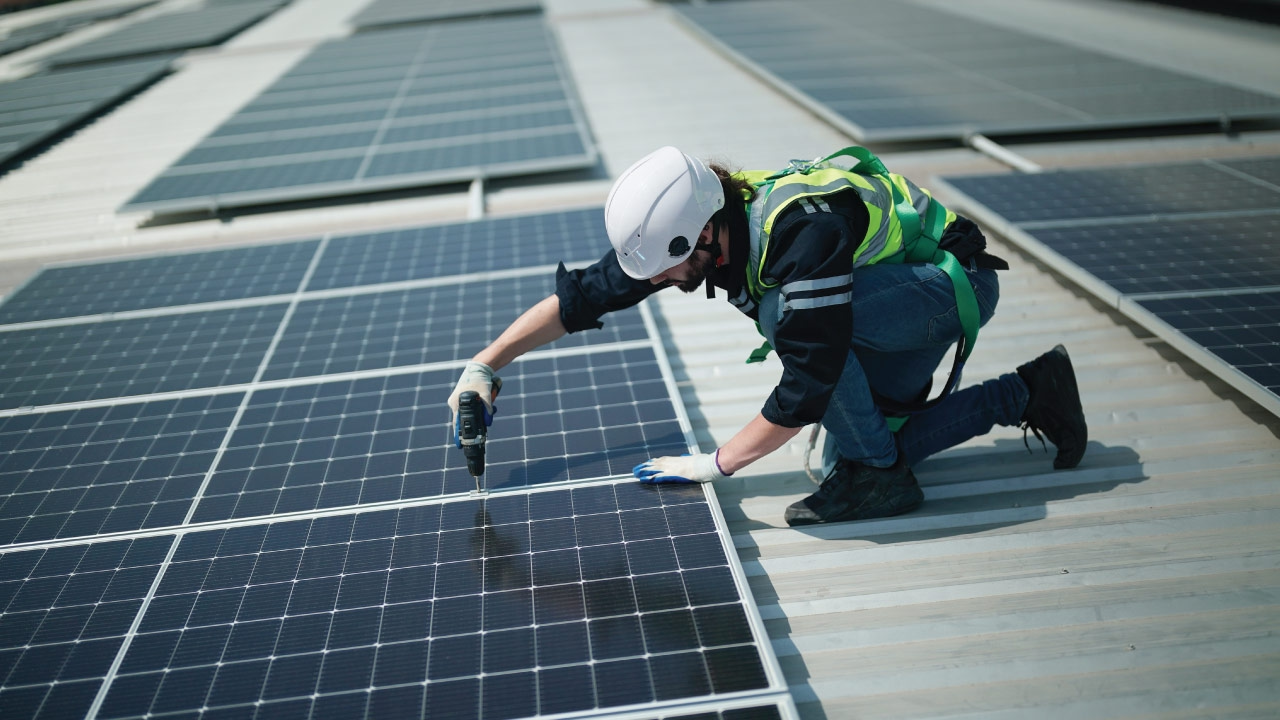
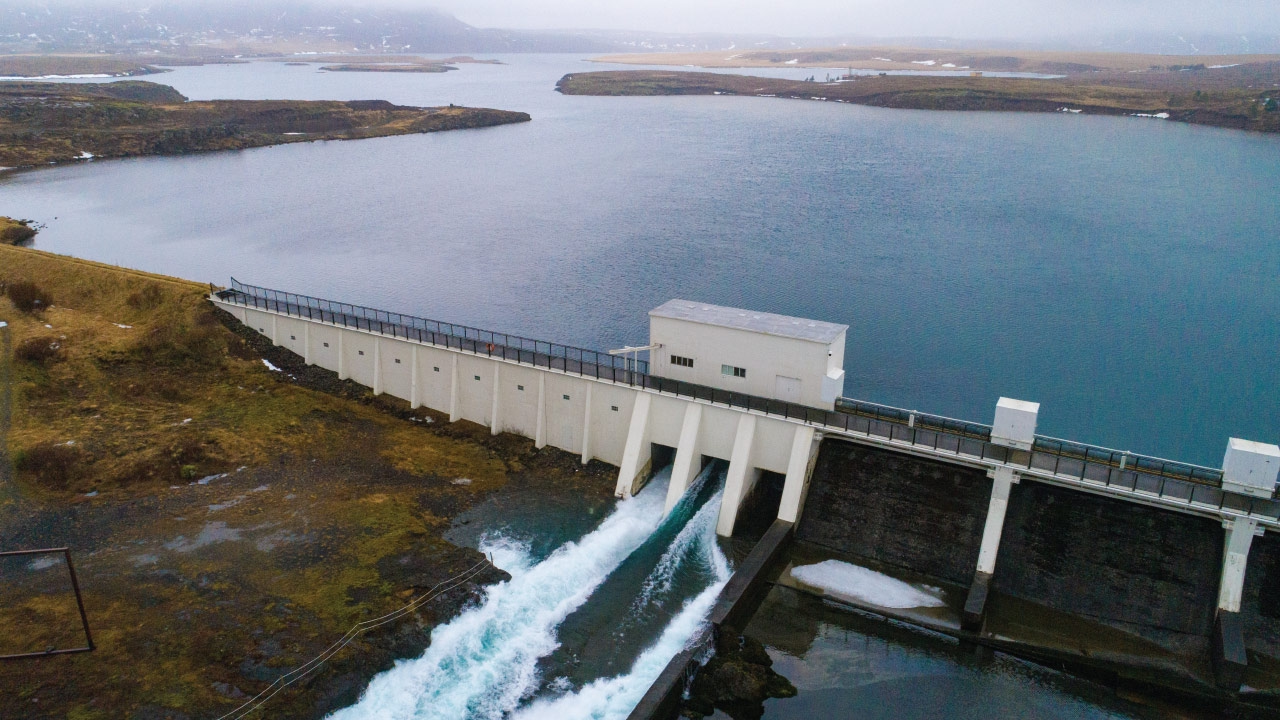
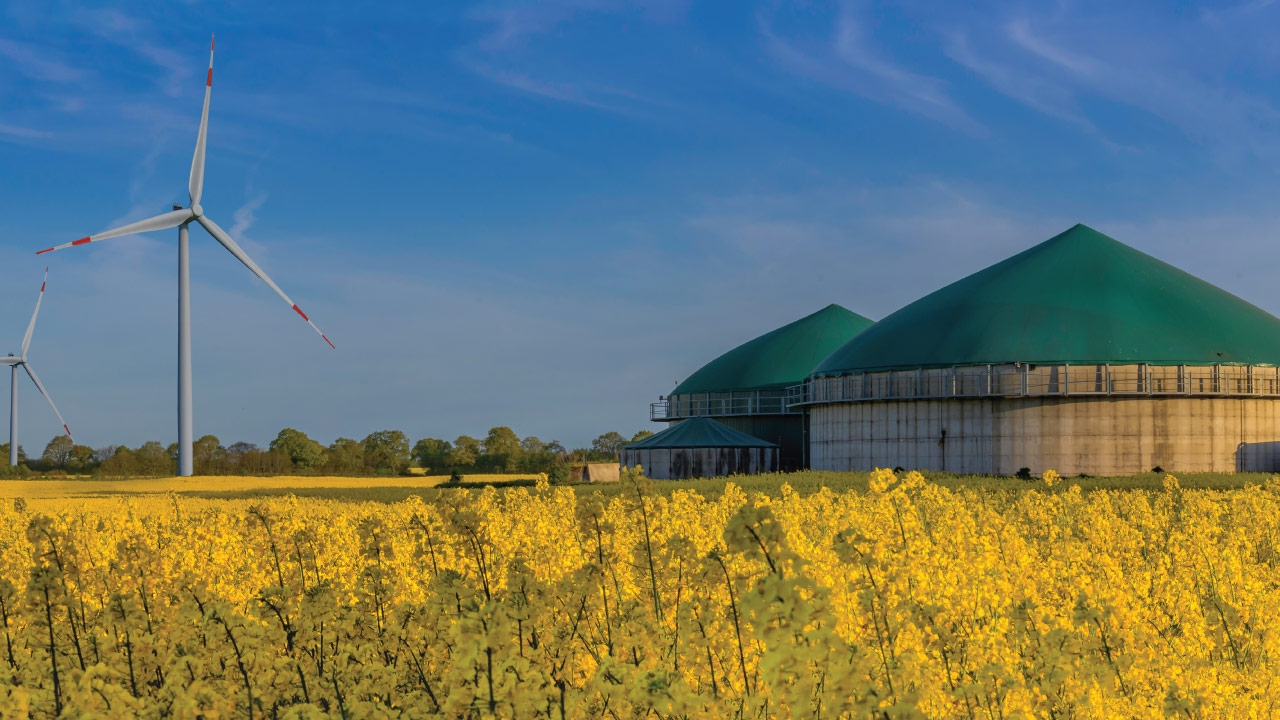
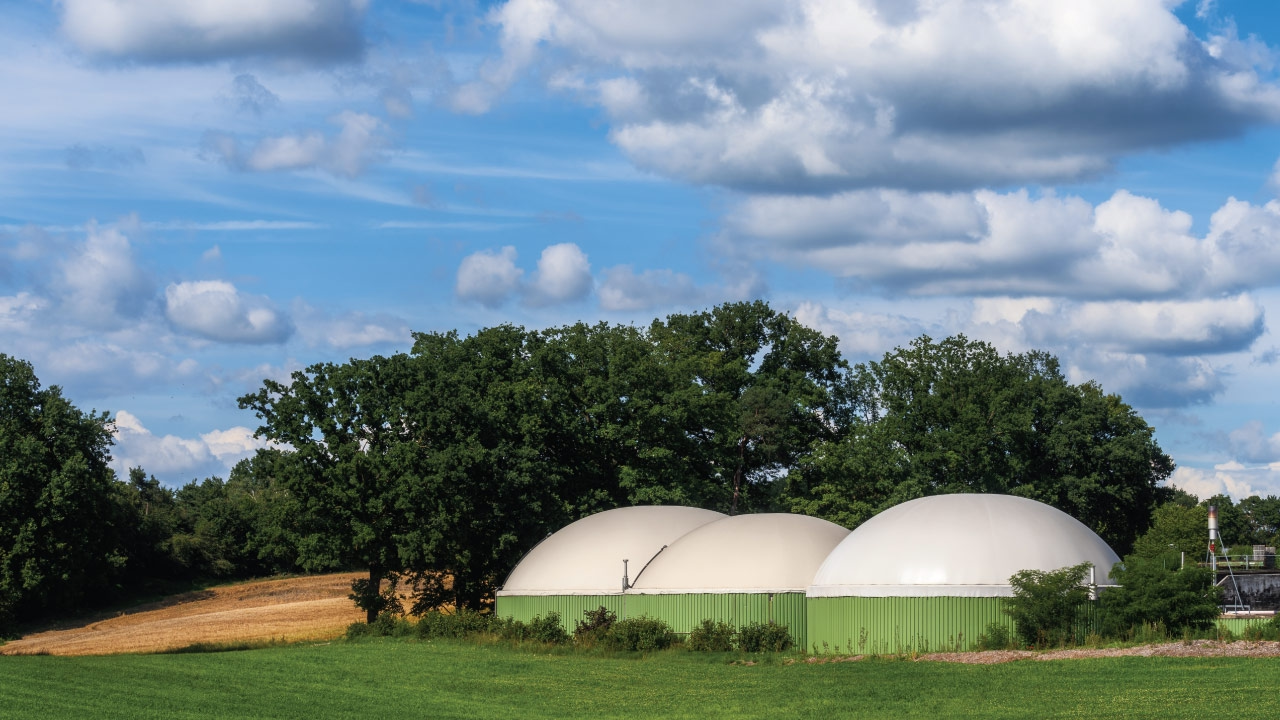
The credits are retired against registered climate projects: biogas and biomass on farms, forest restoration and REDD+, wind, solar, hydro and bio-based construction. The list below is read straight from the IMPT project register.
Descriptions come from the register itself and are published in English. The register has no project in the Balearic Islands today; the rest are in the app.
Buy or gift verified offsets
You do not have to book a room to fund a tonne. Both vouchers live in the IMPT app.
Worth knowing: the offset on a booking is funded by the booking. The vouchers are a separate thing you can buy or give away; a stay does not need one.
Carbon on the islands: questions
Why does posidonia matter for carbon?
Posidonia oceanica is a flowering seagrass found only in the Mediterranean, and it stores carbon in its roots and in the matte beneath the meadow. If the matte is torn by anchors or dredging, stored carbon can be released. The meadows between Ibiza and Formentera are among the best preserved in the Mediterranean, so boat users should follow the anchoring rules.
Can anchoring damage seagrass in Ibiza and Formentera?
Yes. Anchors and chains can tear the matte, the thick mat of dead material under the meadow, and recovery is slow. A Balearic decree protects posidonia and regulates anchoring, and mooring buoys are installed in some bays in summer. Rules and buoy availability change, so check the Balearic government or the natural park office before a boat trip.
Is Menorca a Biosphere Reserve?
Yes. Menorca has been a UNESCO Biosphere Reserve since 1993. The designation covers the whole island, and the marine area was extended later. S'Albufera des Grau Natural Park is the core zone. The status is a management framework, not a guarantee that every beach is pristine. Check the Consell Insular de Menorca for current plans and access rules.
How can a visitor reduce water use on the islands?
Fresh water is scarce, and Ibiza and Formentera rely heavily on desalination, which uses a lot of energy. Menorca also relies on aquifers. Simple steps help: reuse towels, report leaks, avoid unnecessary pool top-ups and refill bottles rather than buying new ones. Visitors should treat water as a limited resource, especially in the summer peak.
Does the tourist tax offset a flight?
No. The Balearic sustainable tourism tax funds environmental and heritage projects, but it is not a carbon offset and does not make a trip impact-free. The rate depends on accommodation category and season, with reductions in low season and for longer stays; children under 16 are exempt. Rates change, so check the Govern de les Illes Balears.
What does an IMPT hotel booking include?
Every hotel booking made through IMPT funds one tonne of verified CO₂ offset, included in the price and reported for each trip. That is a contribution to climate action, not a claim that a stay has no impact. Flights, ferries and summer energy use still produce emissions. The reporting helps you see the contribution attached to each booking.
How can you get to Formentera with lower emissions?
Formentera has no airport. Fly to Ibiza, then take a ferry from Ibiza Town port to La Savina. Fast ferries take about 30 to 35 minutes; conventional ferries take about an hour. Sailings are frequent in season and fewer in winter. The green routes, buses, bikes and walking reduce the need for a car. Check operators.
Are boat trips regulated around the islands?
Anchoring over posidonia meadows is regulated by a Balearic decree, and mooring buoys are installed in some bays in summer. The rules and buoy availability change, so check the Balearic government or the natural park office. Choosing a boat trip that uses buoys and never anchors on seagrass is one of the most direct ways to limit local damage.
When is low season on the islands?
Much of the tourism business closes roughly from November to April, including many hotels, beach bars, boat trips and seasonal buses. The main towns stay open year-round, and flights and ferries are fewer in winter. Travelling outside the summer peak can reduce pressure on water and energy, but check opening dates and timetables before booking.
Sources: IMPT project register (platform.impt.io), Govern de les Illes Balears environment and energy information, UNESCO, the Balearic natural park offices. Editorial review: 5 November 2026.
Photo credits: Beni Marull, CC BY-SA 4.0, via Wikimedia Commons; Victords2012, CC BY-SA 4.0, via Wikimedia Commons; Nicolas G. Mertens, CC BY-SA 4.0, via Wikimedia Commons.