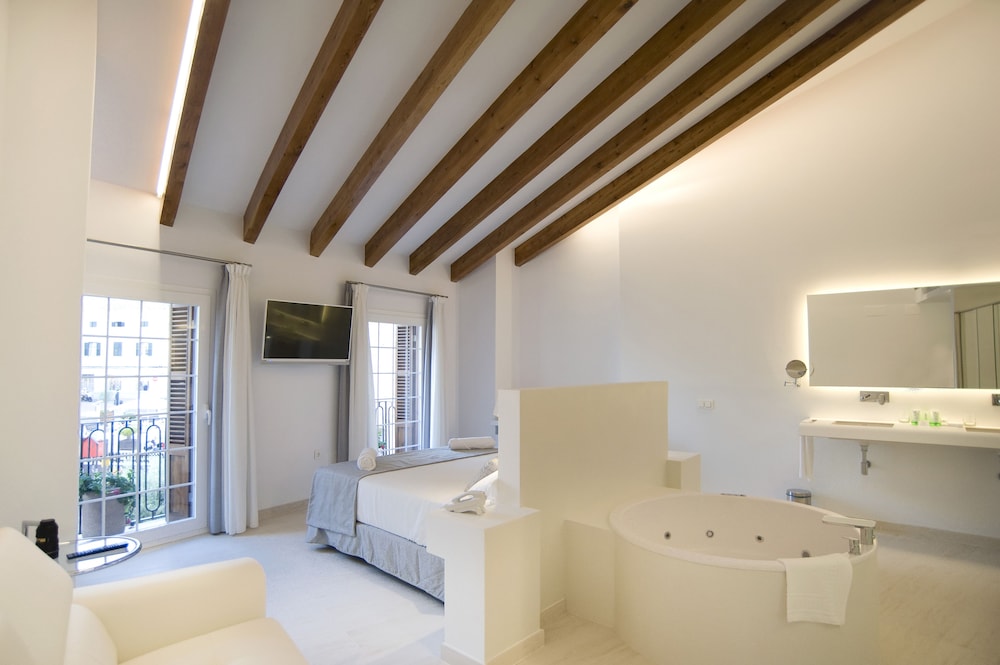
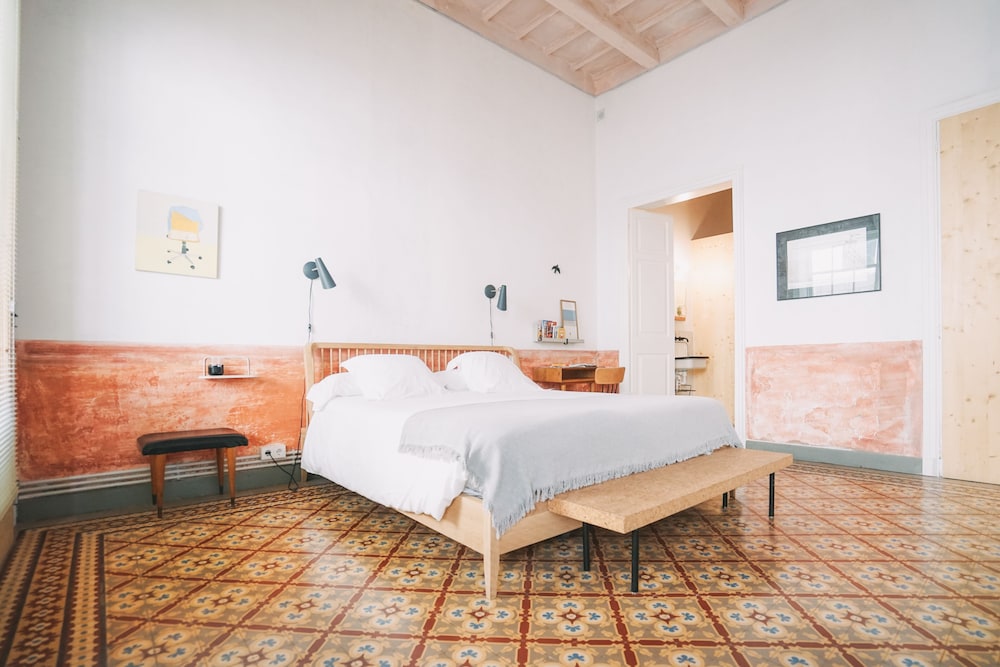
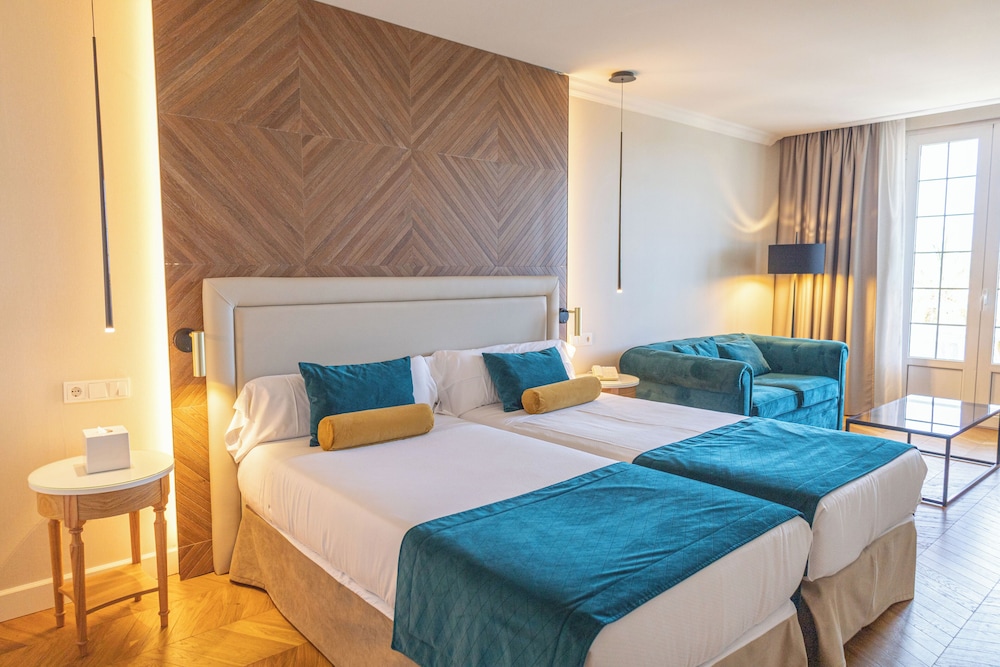
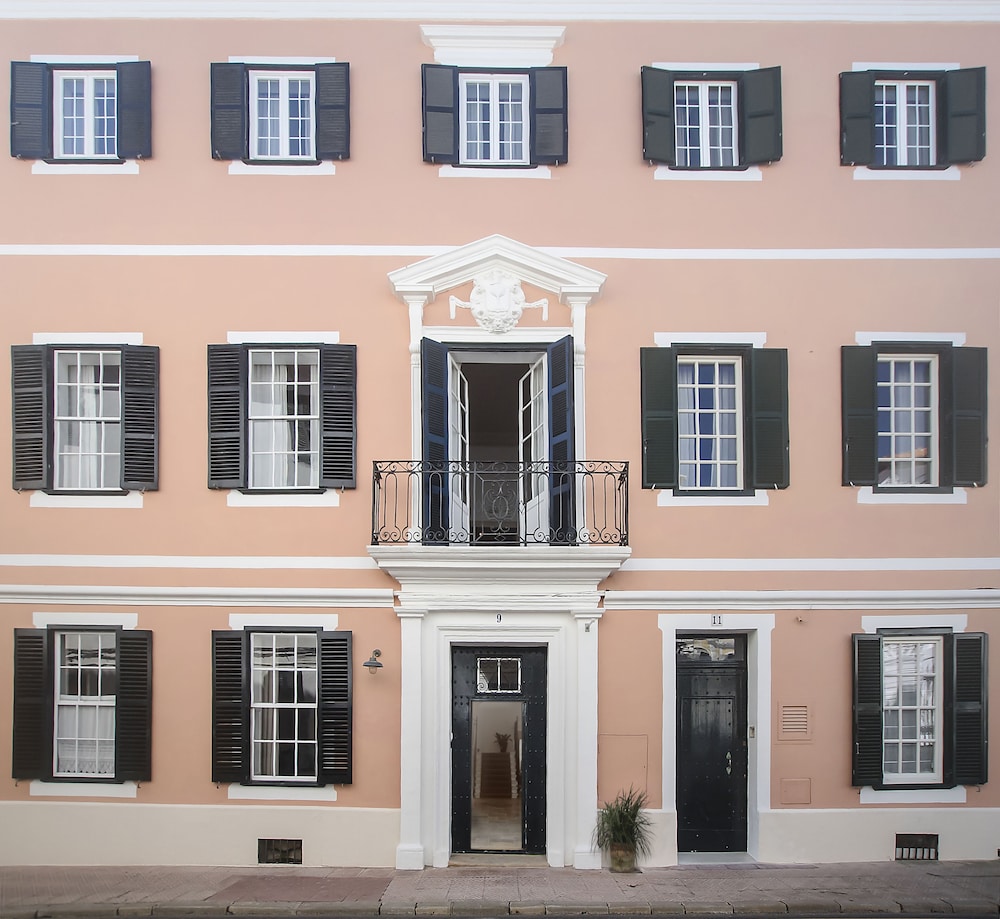
Maó is Menorca's capital municipality: a harbour town, a handful of villages and a coast of small bays and wetland, with the airport and the ferries close by.
49stays in the IMPT hotel database
1area guide
Menorcaisland
Maó is one of the municipalities of Menorca and the one that holds the capital. It takes in the town above the harbour, the villages of Sant Climent, Llucmaçanes and Es Grau, and a short north-east coast of small beaches, dark cliffs and the S'Albufera des Grau Natural Park. It is the most practical base on the island.
01
A municipality shaped by water
Maó is the capital municipality of Menorca and the one most shaped by its port. The harbour runs inland for about 5 km, one of the largest natural harbours in the Mediterranean, and the town sits on the cliff above its northern shore. That geography gives the municipality a different feel from the rest of the island: less agricultural, more maritime, with a working port, a resident population all year and a short, steep coastline rather than long sandy bays.
The municipality covers the land around the middle and lower harbour, from the cliffs and wetlands of the north-east coast to the farmland behind Sant Climent. It is small in area, densely settled by Menorcan standards, and easy to cross. Two things define it: the water, which brings ferries, fishing boats and summer visitors, and the stone, which built the town and still marks the dry walls between its fields.
02
Towns and villages
Beyond the capital, the municipality holds a handful of small places. Sant Climent sits on the road towards the airport, a farming village with a church and a summer festival. Llucmaçanes is smaller still, a cluster of houses among fields. Es Grau, on the north-east coast, is a low village of seasonal houses beside the beach and the natural park, and the port itself has a life of its own, with the ferry terminal and the boatyards at its inner end.
The neighbouring municipalities of Es Castell and Sant Lluís take in the southern shore of the harbour and the coast beyond it, so the water is shared even though the administration is not. Maó town itself has its own guide on this site, covering the old quarter, the market and the harbour front; treat it as the base for the rest of the municipality rather than a separate stop. Most visitors end up there anyway.
Sant ClimentA farming village inland, with a church and a summer festival of its own.
LlucmaçanesA small cluster of houses among fields, easily seen on foot in an hour.
Es GrauA seasonal village beside the beach and the edge of the natural park.
The portFerry terminal, fishing boats and boatyards at the inner end of the harbour.
The taula of Trepucó on the edge of Maó, Menorca03
Beaches and coves
The municipality's swimming is mostly on the north-east coast, where the rock is older and darker and the sand is the reddish kind found along the Tramuntana shore. Es Grau beach is the obvious one: shallow, sheltered by the Illa d'en Colom, and busy in August. Sa Mesquida, further east, is a smaller bay with a beach and a few houses, reached by a road that ends above the water. Both are within easy reach of Maó town.
This is not the coast for long white strands. The south of Menorca, with its limestone and its pale coves, lies on the other side of the island, and the beaches people associate with that coast are a different day out. Maó offers a handful of small bays and cliff paths where swimming means finding a way down. Access to some inlets is on foot, and the rock is sharp, so bring shoes.
Maó offers a handful of small bays and cliff paths where swimming means finding a way down.
04
Nature and protected land
S'Albufera des Grau Natural Park occupies the north-east corner of the municipality and forms the core zone of the Menorca Biosphere Reserve, designated by UNESCO in 1993. The park holds a brackish lagoon separated from the sea by dunes and sand, and it is the main stop for birds on the island, with species that use the reed beds and shallow water on migration. The Favàritx cape, at the end of the same coast, is a headland of dark rock with a lighthouse.
The Biosphere Reserve covers the whole island, so protection is not confined to a fenced area. Farming, dry stone walls and the small fields behind Sant Climent are part of what the designation recognises. Walking is the best way to see it: the Camí de Cavalls crosses this coast, and shorter paths link Es Grau with the lagoon and the dunes. Keep to marked routes, because the nesting season matters here.
Protect itThe lagoon and its dunes are the reason the island holds Biosphere status. Stay on marked paths, keep dogs out of the wetland and take everything back with you.
05
Culture and history
Menorca spent most of the 18th century under British rule, and Maó was the centre of it. The harbour was the reason: a deep, sheltered inlet that could hold a fleet. Georgian windows, a taste for gin and a few street names are what remain in the town, along with the barracks town of Es Castell at the head of the harbour. The island's Talayotic monuments, added to the World Heritage list in 2023, belong to a much older layer.
Prehistoric Menorca is present in the municipality more quietly than at the big sites. Talaiots and taules stand in fields and among houses, often unsigned, and the dry stone walls that divide the land continue a habit of building with what is to hand. The town's museums cover the harbour's naval past and the island's archaeology. Local festivals mark the calendar through the summer, and Sant Climent keeps its own.
06
Food and markets
Mahón-Menorca cheese carries a protected designation of origin and takes its English name from this town, because the harbour was where it left the island. It is made across Menorca from the milk of local cows, and the young version is soft and slightly salty while the cured one is firm and sharp. Markets in Maó town sell it alongside vegetables, fish and the island's gin, which is distilled in the municipality and sold widely.
Fish and shellfish set the tone of the local cooking. Caldereta de llagosta, a lobster stew, is the dish most associated with Menorca, and it is a plain thing of lobster, tomato, onion and bread rather than a restaurant invention. Smaller fish, squid and cuttlefish are more common on ordinary days. Eating well here does not require the harbour front: the streets behind the market do it just as well, and the villages have their own bars.
CheeseMahón-Menorca has protected status; buy it young and soft or cured and firm.
Lobster stewCaldereta de llagosta is a simple dish of lobster, tomato, onion and bread.
GinDistilled on the island since the British period, and usually served with lemon.
MarketsThe market in Maó town sells fish, produce and cheese through the year.
Maó harbour seen from Es Fonduco, Menorca07
Getting there and around
Menorca Airport (MAH) sits about 4-5 km south-west of Maó, close enough that the transfer into town is short. The straight-line distance is shown on this page; the road route and the time it takes depend on traffic and on where you are staying. Buses link the airport with Maó through the year, with more services in summer. Local buses also serve the villages, less often. Taxis wait outside the terminal.
Inside the municipality a car is useful for the beaches and the natural park, where buses are few and parking can fill early in summer. Bicycles work well on the lanes behind Sant Climent, which are quiet and mostly flat near the coast. The Camí de Cavalls, the long-distance bridleway that circles Menorca, crosses this coast and gives walkers a way between Es Grau, the lagoon and the northern cliffs.
Check before you goBus timetables change with the season and few services run in winter. Check the island bus operator's current timetable before relying on a late connection.
08
Who should stay, and where
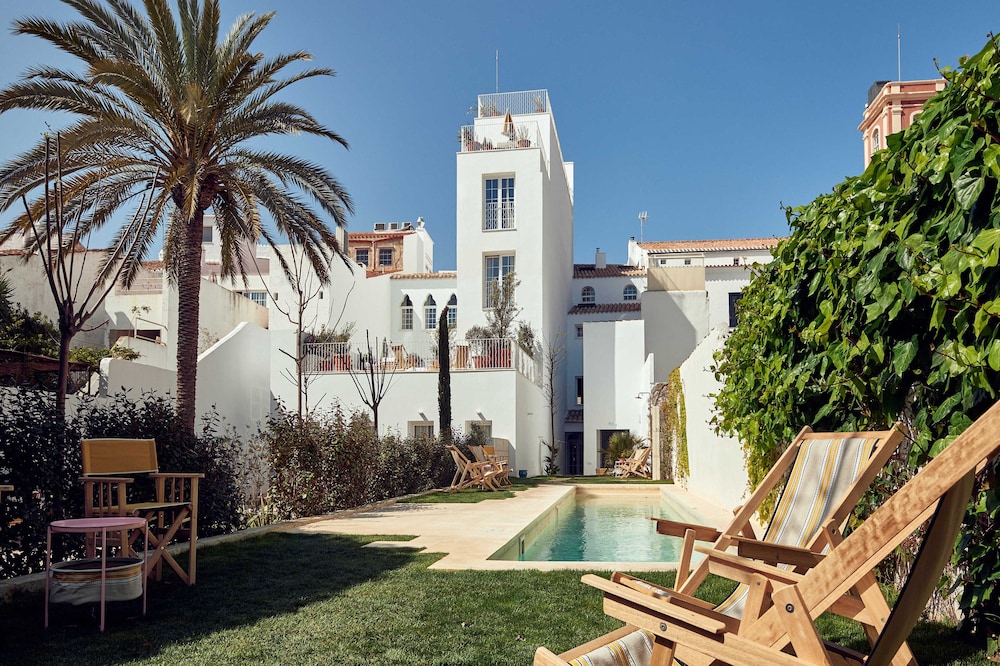
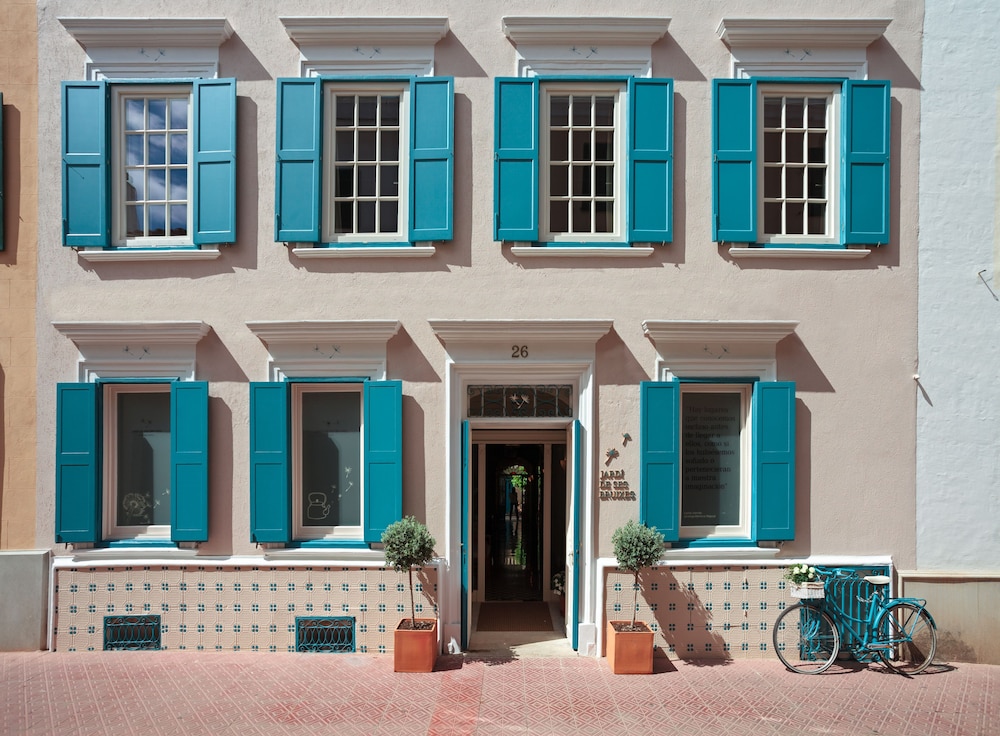
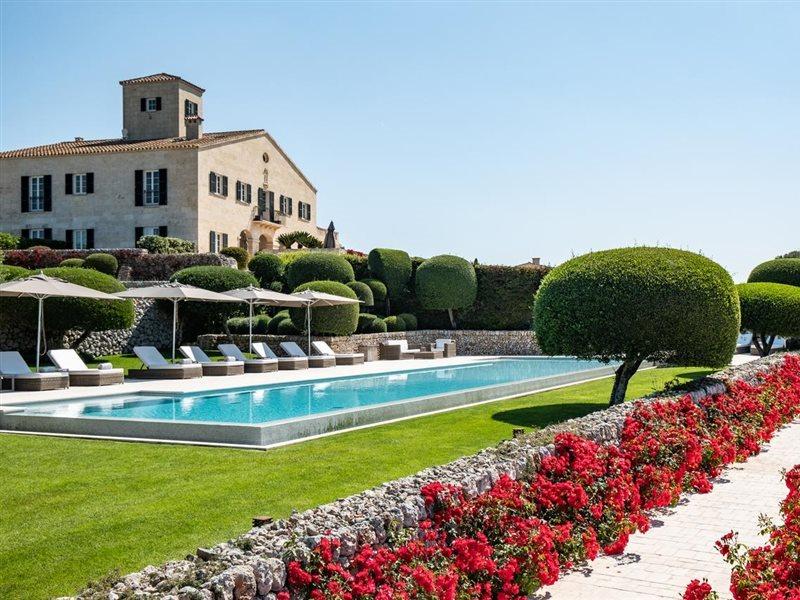
Maó suits travellers who want a town rather than a resort: a place with year-round life, a market, a port and streets to walk in the evening. It is also the practical base for a first visit, since the airport and the ferries are both close and the rest of the island can be reached in a day. The 49 stays in the IMPT database range from town addresses to houses in the villages.
Where to stay depends on what you want from the day. The town centre puts everything on foot. The harbour has the water and the ferries. Es Grau and the north-east coast are for the beach and the natural park, and they empty out of season. Sant Climent and Llucmaçanes are for quiet and for people who will have a car. Any of them works as a base, provided the season is right.
Town centreEverything on foot, with the market and the old quarter close by.
The harbourWater, ferries and boatyards, a short climb below the town.
Es GrauFor the beach and the natural park, and very quiet outside summer.
Inland villagesSant Climent and Llucmaçanes suit travellers who have a car.
09
When to go and what closes
May, June, September and early October are the good months on this coast. The water is warm enough from June, reaching about 25-26 °C in August, and the walking is better in spring and autumn, when the lagoon and the cliffs are cooler and the light is longer. August is the busiest, when the island's population swells and the beaches at Es Grau and Sa Mesquida fill early.
Much of the seasonal business closes roughly from November to April. That affects boat trips, beach bars, seasonal buses and many restaurants, though Maó town stays open all year with its market, its port and its residents. Winter is quiet and often windy, with fewer flights and ferries, and it is the time when the municipality feels like what it is: a working harbour town with a long history and no audience.
Stays in Maó: the first 9 of 49 stays in the IMPT hotel database in or close to Maó (Mahón), five-star first, then four-star, then by guest score. Each button opens live prices for your dates in the IMPT app.
It takes in the town of Maó above the harbour, the inland villages of Sant Climent and Llucmaçanes, the coastal village of Es Grau and the north-east coast up to the Favàritx cape. The southern shore of the harbour belongs to the neighbouring municipalities of Es Castell and Sant Lluís.
How far is Menorca Airport from Maó on this trip?
Menorca Airport (MAH) lies about 4-5 km south-west of Maó. The straight-line distance is shown on this page; the road route and the time it takes depend on traffic and on where you are staying. Buses link the airport with the town through the year, with more services in summer, and taxis wait outside the terminal.
Can you swim in Maó municipality?
Yes, but on a small scale. Es Grau beach is shallow and sheltered by the Illa d'en Colom, and Sa Mesquida is a smaller bay further east. Both are close to the town and busy in August. The rocky inlets along the natural park coast are reached on foot, and the ground is sharp.
What is S'Albufera des Grau and can you visit it?
It is a natural park around a brackish lagoon separated from the sea by dunes, and it forms the core zone of the Menorca Biosphere Reserve. Paths from Es Grau lead to viewpoints over the water. Access and any restrictions change with the season, so check with the natural park office before setting out.
Do you need a car in Maó on this trip?
Not for the town, which is walkable, and not for the airport, which has buses. A car helps for the beaches, the natural park and the villages, where services are fewer. Bicycles work well on the quiet lanes behind Sant Climent. Parking near the coast can fill early in summer.
What food is Maó known for?
Mahón-Menorca cheese carries a protected designation of origin and takes its English name from the port it left through. The island's gin is distilled in the municipality. Caldereta de llagosta, a lobster stew of tomato, onion and bread, is the dish most associated with Menorca, and the market in Maó town sells fish, produce and cheese.
Why does Maó look British?
Menorca was under British rule for most of the 18th century, and the harbour made Maó the centre of that administration. Georgian windows, a gin tradition and some street names date from the period, and the barracks town of Es Castell was built at the head of the harbour. The Talayotic monuments belong to a far older layer.
What closes in Maó out of season on this trip?
Much of the seasonal business closes roughly from November to April, including boat trips, beach bars, seasonal buses and many restaurants. Maó town stays open all year with its market, its port and its residents, as do the main services. Flights and ferries are fewer in winter, so check timetables with the operators.
Is there a ferry from Maó to Barcelona?
Yes. Maó and Ciutadella link to Barcelona, with overnight crossings of several hours, and Maó also links to Palma. There is usually no regular direct ferry between Ibiza and Menorca, so most travellers connect through Mallorca or fly. Check the operators for current timetables, since sailings are fewer outside the season.
Photo credits: Paucabot, CC BY-SA 4.0, via Wikimedia Commons; Josefito123, CC BY-SA 4.0, via Wikimedia Commons; Santiago Lap, CC BY-SA 3.0, via Wikimedia Commons.
Watch
Menorca
Menorca's coast in three scenes, ending with sunset at Fornells.
Captions are built in; the transcript is on the Menorca page.
Video: Raymond Petrik, Angelo Esposito, Agusti Perez on Pexels