Menorca's capital sits above one of the Mediterranean's longest natural harbours, with the port below, the old town above, and the coves of the east coast a short drive away.
5.0 kmfrom MAH, straight line
28stays in the IMPT hotel database
Eastcoast
Maó is the capital of Menorca and the most practical place to base yourself on the east coast. The town wraps around a harbour about 5 km long, one of the largest natural harbours in the Mediterranean, with ferries, a market and a working town centre at the bottom and old lanes above. The airport is about 4-5 km away.
01
A capital above the water
Maó is the capital of Menorca, built on the south side of a harbour that reaches about 5 km inland, one of the largest natural harbours in the Mediterranean. The town rises from the water in steps: the ferry terminal and quays at the bottom, the old lanes and squares in the middle, newer streets on the ridge above. Almost everything you need as a visitor sits within a short, steep walk of the port, which is why the town works well without a car.
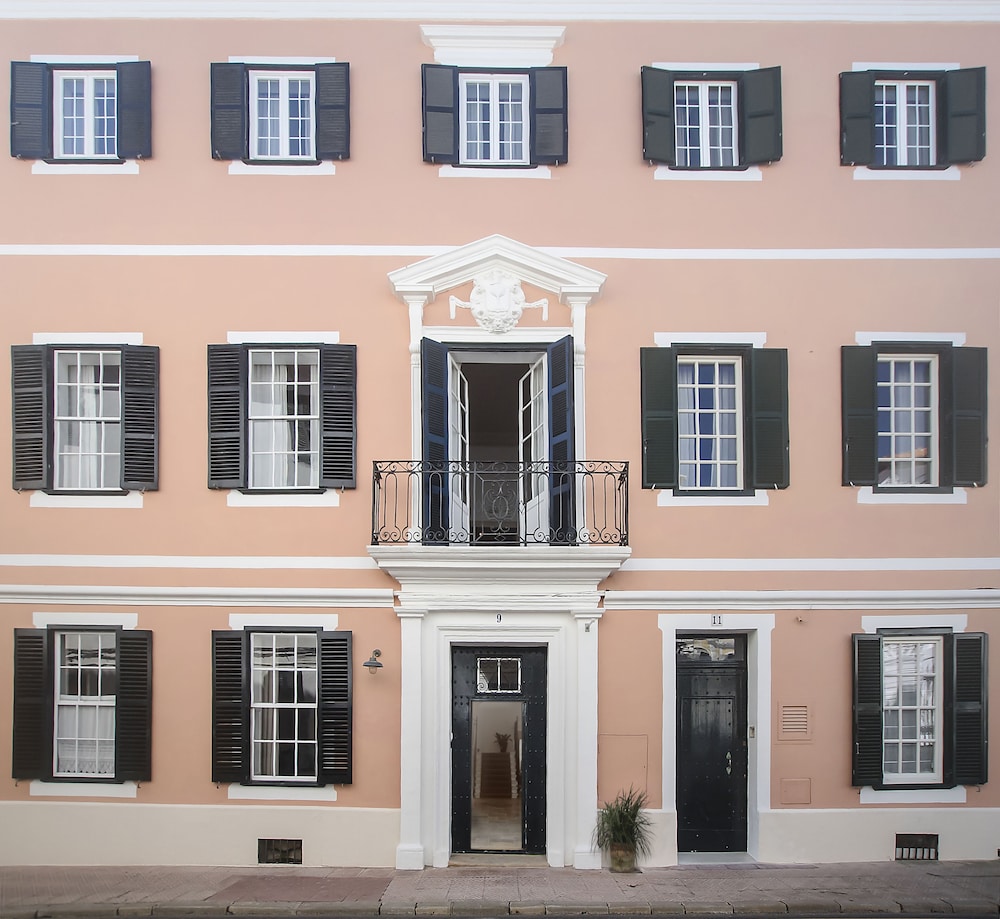
British rule through most of the 18th century left marks that are easy to read: tall Georgian windows on the lanes behind the port, the barracks town of Es Castell at the harbour mouth, and a taste for gin that never left. Maó has been the island's capital since that period; Ciutadella, in the west, is the old capital and keeps the ceremonial role, with the Sant Joan festival around 23 and 24 June, when riders and horses cross the old town.
02
What the town is like
The centre is compact and best taken slowly. Plaça de s'Esplanada is the hinge between the port and the upper town, with the market hall and the lanes of shops just above it. Streets are narrow, some are stepped, and the shade matters in July. This is a working Spanish town rather than a resort: offices, schools, a daily market, and a resident population that uses the same squares in winter as visitors do in August.
The harbour is the reason to stay. The quay runs a long way inland, with fishing boats, ferries and yachts sharing the water, and a promenade that fills after sunset. Boat trips leave from the port in season, and the path along the water runs out to Es Castell at the mouth. Looking up from the quay, the town shows its shape: walls, church towers and the ridge line above.
The church of Santa Maria and a street in central Maó, Menorca
The harbour is the reason to stay, and the town arranges itself around it.
03
Swimming near Maó
The harbour is for boats, not swimming. For a quick dip, the small inlets of Es Castell at the mouth of the harbour work best: Cala Corb, right in the village, and Cala Pedrera a little further round. Both are shallow, sheltered and used by residents rather than visitors, with rocky edges and calm water. They suit an early swim before the day heats up, or a late one after the ferries have gone quiet.
Further south, the coast opens into the white sand coves of the Migjorn, with Binibeca, Punta Prima and Cala en Porter all within reach of Maó by road. These are limestone bays under pines, busy in August and quiet in May and October. The north coast is different again: darker rock, reddish sand and wind, reached by crossing the island towards Favàritx and the S'Albufera area.
Cala CorbA shallow inlet at Es Castell, at the harbour mouth, with calm water and rocky edges.
Cala PedreraSmall and sheltered, a short walk from Es Castell and quieter than the south-coast beaches.
BinibecaWhite sand and shallow water south of Maó, with a village of whitewashed lanes behind it.
Punta PrimaA broad south-east bay with easy access and a long season of swimming.
04
Sights within easy reach
Three sights sit close to Maó and shape the way the east coast looks. The fortress of La Mola guards the harbour mouth from the south side, a large 19th-century defence built into the rock. On the north side of the entrance stands the Favàritx lighthouse at the end of a bare slate road. Behind it, the S'Albufera des Grau natural park holds the lagoon, dunes and birdlife at the core of the Biosphere Reserve.
Menorca's prehistoric monuments were added to the World Heritage list in 2023 under the name Talayotic Menorca, and several are within a short drive of the capital, including talaiots and a taula on the edge of town. Inland, Monte Toro rises to about 358 m above Es Mercadal, with a sanctuary at the top and a view across most of the island on a clear day.
La Mola fortressA large 19th-century fort at the harbour mouth, with ramparts, tunnels and long views back to Maó.
Favàritx lighthouseAt the end of the road through the natural park, where the rock turns dark and the wind picks up.
S'Albufera des GrauLagoon, dunes and reed beds at the heart of the Biosphere Reserve, good for birds in spring and autumn.
Monte ToroThe island's highest point, about 358 m, with a sanctuary and a road to the summit.
05
Evenings and food
Eating in Maó is mostly about fish. The market hall by the port sells the day's catch, and the kitchens around the harbour and in the upper lanes cook it plainly: grilled, stewed, or in the lobster stew that Menorca claims as its own, caldereta de llagosta. Mahón-Menorca cheese, which carries a protected designation of origin, appears on most menus, often with olive oil and bread, and the menus shift with what the boats bring in.
The gin tradition is a leftover from British rule and is taken seriously here, served with lemon and ice in summer and treated as an aperitif rather than a cocktail. Evenings start late. The Esplanada fills after sunset, families walk the quay, and the town stays awake well past midnight in July and August. In winter the same streets are quiet by comparison, but plenty of places stay open, even if the choice narrows.
Maó town hall on Plaça de la Constitució, Menorca06
Getting there from the airport
Menorca Airport (MAH) sits about 4-5 km south-west of Maó, close enough that the transfer is short whatever you choose. Buses run between the airport and Maó, with more departures in summer, and taxis wait outside arrivals. Car hire is at the terminal if you plan to explore the island. There is no train on Menorca; the road into the capital runs from the airport up to the ridge above the port.
Arriving by sea, the ferry terminal is at the bottom of the town, with a steep climb from the quays to the centre on foot and buses and taxis for luggage. Ferries from Barcelona and Palma use Maó; Ciutadella, in the west, handles the crossing to Alcúdia on Mallorca. Winter sailings are fewer, so the timetable shapes a low-season trip more than anything else. Check operators before booking.
Check before you goAirport buses, beach buses and boat trips run to seasonal timetables, with fewer services from November to April. Confirm times with the island bus operator before setting out.
07
Getting around, and out
Maó rewards walking, though the hills are real. The old town, the port and the Esplanada sit within a short walk of each other, and the harbour path continues to Es Castell. Local buses run along the harbour and out to Sant Lluís, with seasonal services to the beaches. For the coves and the Camí de Cavalls, a car, a bike or the bus gets you to the trailhead; distances are short, but the coast road is slow.
The Camí de Cavalls, the historic bridleway that circles the island in about 20 stages over some 185 km, passes through this corner of Menorca, so walkers can join a stage without going far. Ferries leave from the port below the town for Barcelona and Palma, and the airport is a short ride south-west for everything else. A car is worth having for a day or two, not for the whole week.
On footThe centre is compact but steep, so comfortable shoes matter more than a map.
By busLocal services link the port, Es Castell and Sant Lluís, with seasonal beach routes in summer.
By car or bikeUseful for the south-coast coves and the natural park; parking in the centre is limited.
08
When to go, and going lightly
Late spring and early autumn suit Maó best. The sea is about 18-19 °C in May and 23-25 °C in September, warm enough for long swims without the August crowds, and the town is comfortable for walking. June brings the Sant Joan festival to Ciutadella, around 23 and 24 June, when accommodation across the island fills, so book well ahead if those dates matter.
From roughly November to April, much of the island's tourism business closes: many hotels, beach bars, boat trips and seasonal buses stop, and flights and ferries thin out. Maó itself stays open, with the market, shops, schools and a good part of the restaurant trade running through the winter. Check opening days before planning around a specific place, and expect some of the smaller places to be shut.
Menorca has been a UNESCO Biosphere Reserve since 1993, with the marine area extended later, and the whole island is the reason. The posidonia meadows that keep the water clear are protected, anchoring over them is regulated under a Balearic decree, and mooring buoys are laid in some bays in summer. Take rubbish back with you, keep to paths on the coast, and use the bus or a bike for short trips.
Protect itPosidonia meadows clean the water and hold the sand in place. Anchor over sand where rules allow, use the summer buoys, and leave shells and plants where they are.
Where to wake up
Stays in Maó
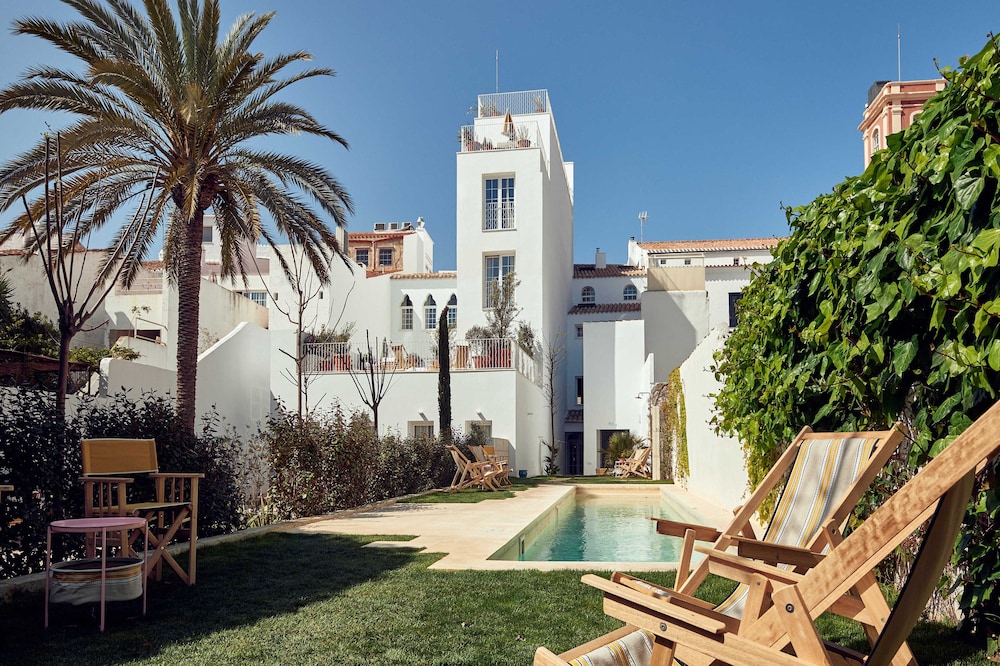
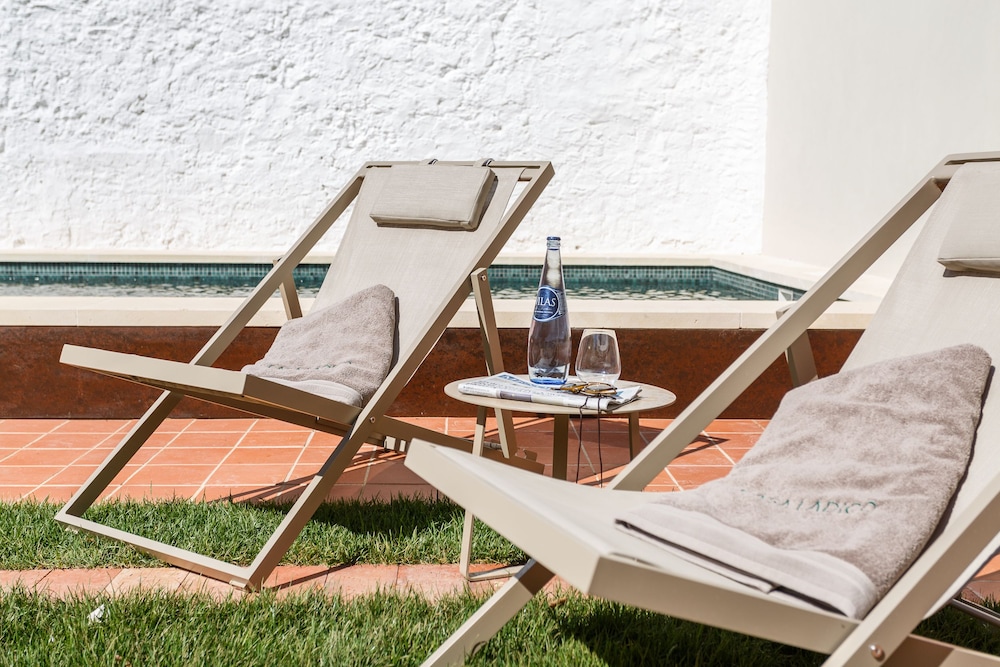
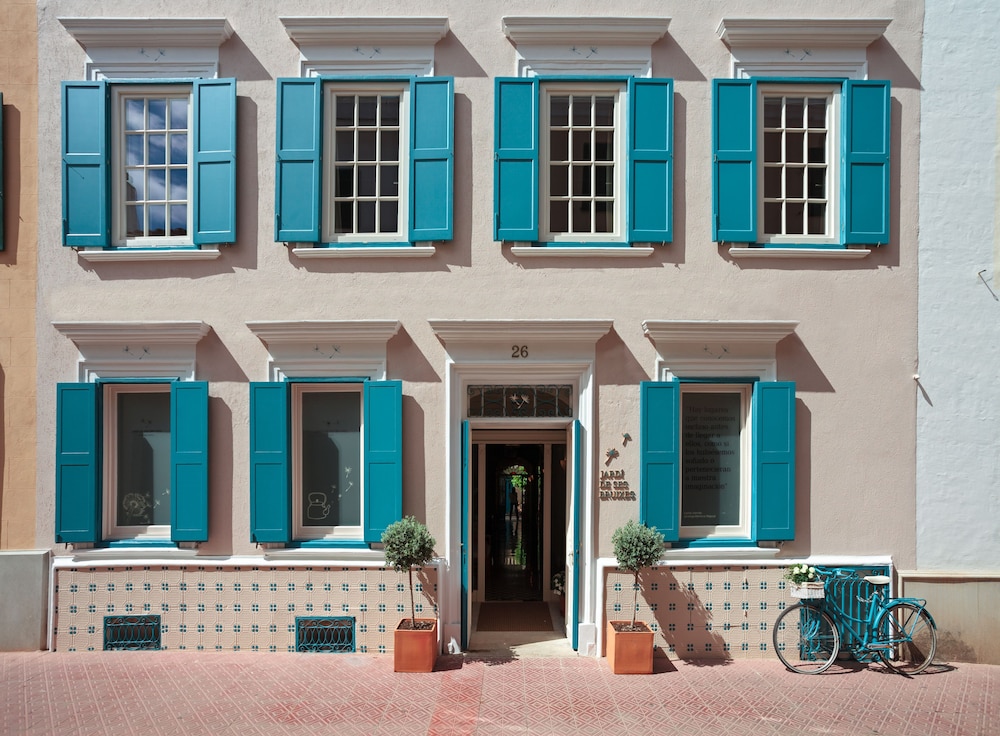
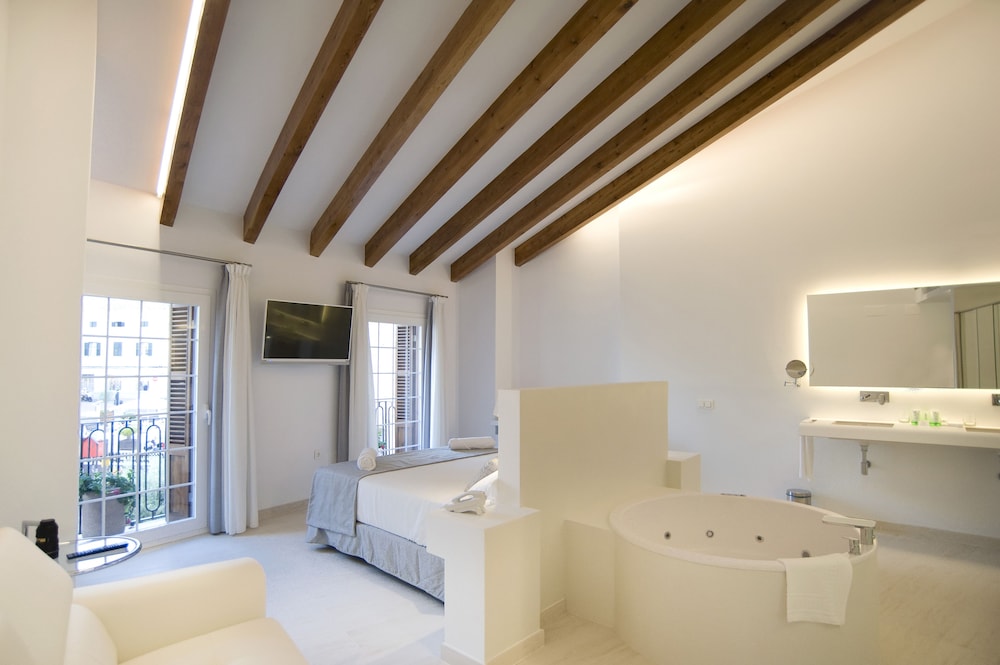
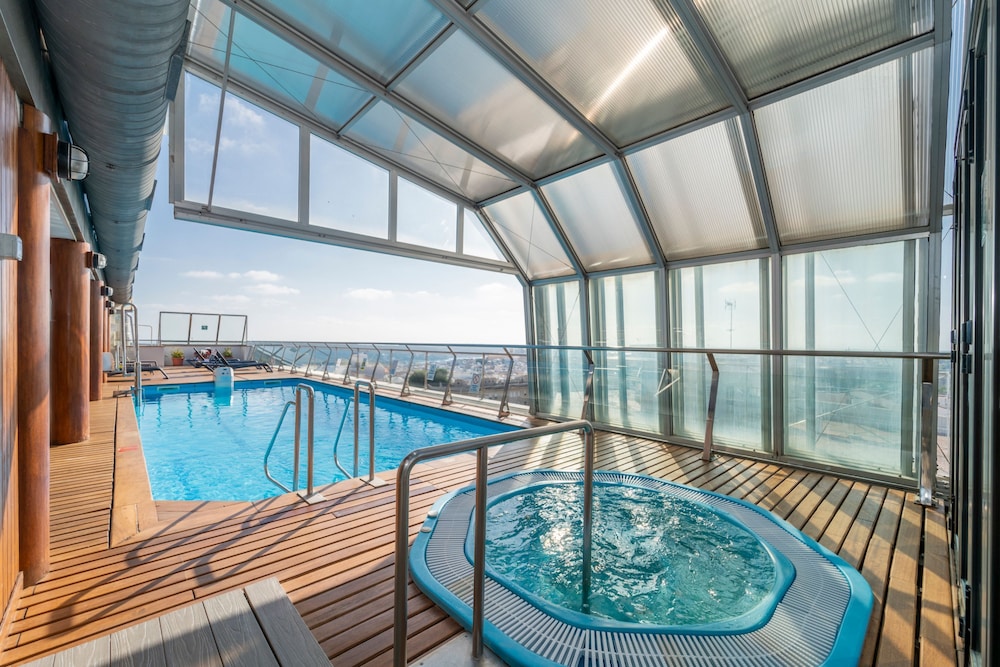
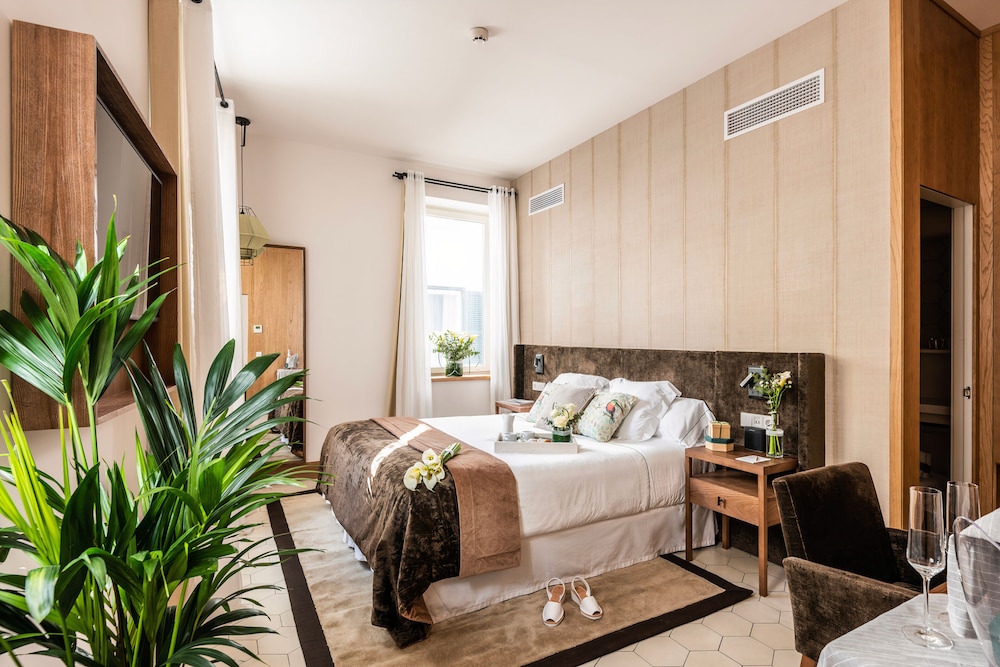
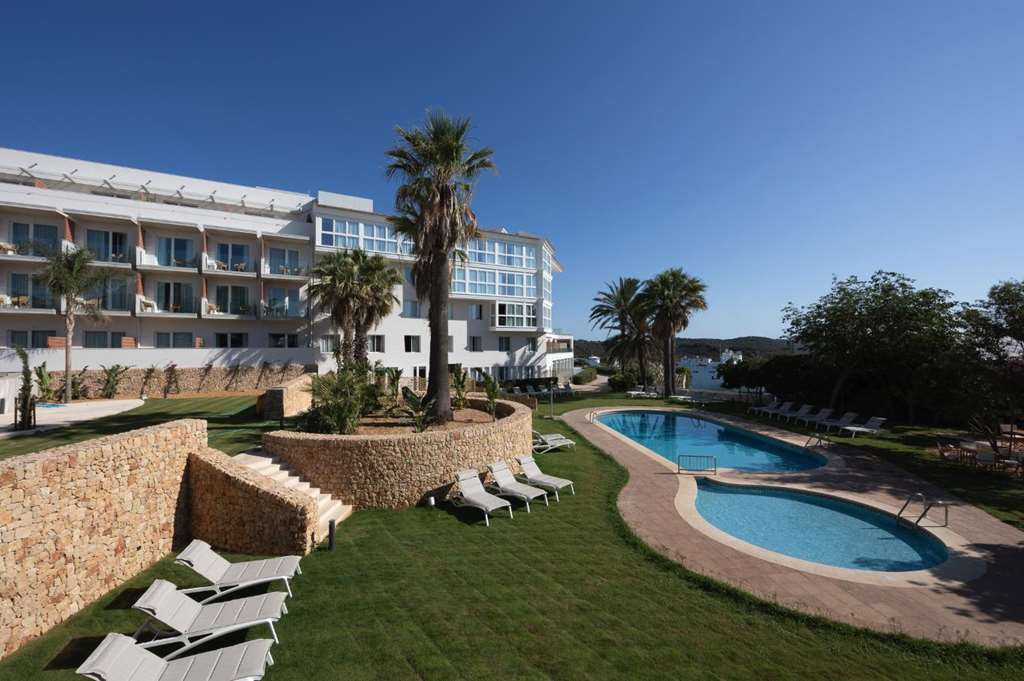
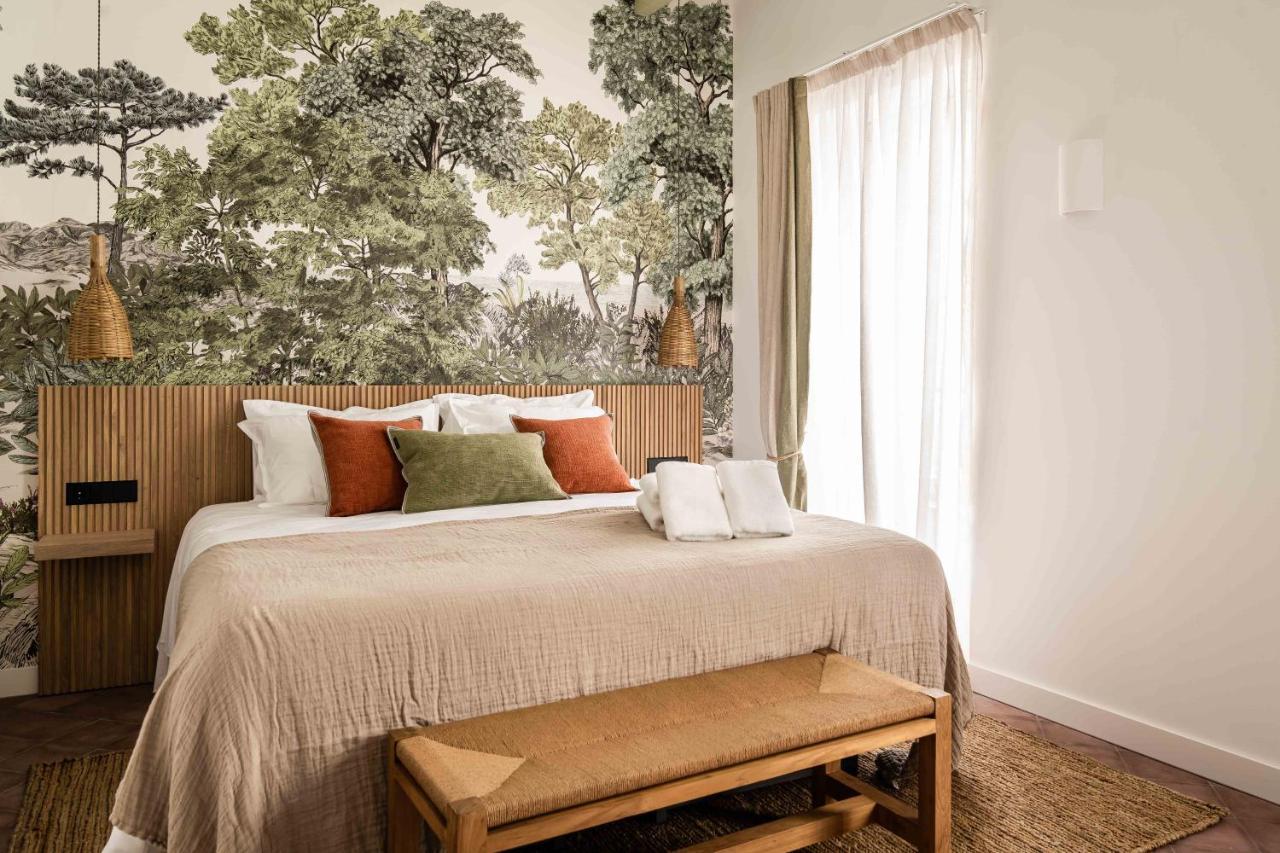
Stays in Maó: the first 12 of 28 stays in the IMPT hotel database in or close to Maó (Mahón), five-star first, then four-star, then by guest score. Each button opens live prices for your dates in the IMPT app.
Yes, if you want a town rather than a beach in front of your room. Maó is the capital, with the harbour, market, restaurants and ferries on the doorstep, and the south-coast coves and the airport within a short drive. It also stays open through the winter, unlike many coastal resorts.
How far is Maó from Menorca Airport?
Menorca Airport (MAH) is about 4-5 km south-west of the town, a short transfer by road. Buses connect the terminal with Maó, with more services in summer, and taxis wait outside arrivals. Car hire is available at the airport if you plan to explore the island. Check current times with the island bus operator.
Can you swim in Maó harbour?
The harbour is working water, used by ferries, fishing boats and yachts, so swimming there is not the idea. The nearest easy dips are the small inlets at Es Castell, Cala Corb and Cala Pedrera, at the mouth of the harbour. The white sand coves of the south coast are a short drive further.
What is there to see in Maó itself?
The old lanes and squares above the port, the market hall, the Esplanada and the harbour promenade fill an afternoon. The Georgian windows and merchant houses recall the 18th-century British period. Boat trips leave from the port in season, and the harbour path runs out to Es Castell at the mouth.
Do you need a car in Maó?
Not for the town. The centre is compact, if steep, and buses reach Es Castell and Sant Lluís. A car helps for the south-coast coves, Favàritx and the S'Albufera des Grau, where services are thin outside summer. Parking in the centre is limited, so many visitors hire a car for a day or two rather than a week.
What closes in Maó out of season?
The town keeps going: the market, shops and a good part of the restaurant trade run through winter. What closes is around it. From roughly November to April, many hotels, beach bars, boat trips and seasonal buses stop, and flights and ferries are fewer. Check opening days and timetables before a low-season visit.
How do ferries from Maó work?
Maó has crossings to Barcelona, several hours and often overnight, and to Palma on Mallorca. Ciutadella, on the west coast, handles the ferry to Alcúdia. Timetables change with the season, with fewer sailings in winter, so check with the operators before fixing dates. The terminal sits at the bottom of the town, below the centre.
Where can you eat caldereta de llagosta near Maó?
The lobster stew is a Menorcan standard, and the harbour side of Maó and the lanes above it are good places to look for it, along with grilled fish from the market. Mahón-Menorca cheese, which has a protected designation of origin, is on most menus. Menus change with the season, so ask what is fresh that day.
When is the best time to visit Maó?
May, June, September and early October give warm sea and comfortable walking, with the sea at about 18-19 °C in May and 23-25 °C in September. July and August are hottest and busiest. Around 23 and 24 June the Sant Joan festival fills Ciutadella and the rest of the island, so book ahead for those dates.