A lagoon, dunes, cork oak and an empty coast: the core zone of the Menorca Biosphere Reserve, a short drive from Maó.
10.6 kmfrom MAH, straight line
1995natural park declared
Core zoneof the Biosphere Reserve
If you want to understand why Menorca is a Biosphere Reserve, start here. The park protects a freshwater-and-salt lagoon, the dunes and beaches around it, the islands offshore and the bare slate coast up to the lighthouse at Favàritx.
01
S'Albufera in two minutes
The park lies on the north-east coast, between the village of Es Grau and Cap de Favàritx. At its centre is the lagoon that gives it its name, separated from the sea by dunes.
It was declared a natural park in 1995 and is the core zone of the Biosphere Reserve. It includes farmland, wetlands, pine and wild olive, and the islet of Illa d'en Colom offshore.
Distancecomputed from coordinates, a straight line from Menorca Airport.
VillageEs Grau, a small fishing village with a sheltered beach.
LandmarkFavàritx lighthouse, on dark slate at the northern edge.
02
Getting there
Es Grau is a short drive from Maó and has a bus in summer. The park's visitor centre is on the road in, with information on paths and wildlife.
Parking is limited near the lagoon and the village in summer. Arriving early, or by bike, is the easiest way in.
Check before you goVisitor centre hours and access rules can change by season. Check with the park before you go.
03
The lagoon and the birds
The lagoon is the largest wetland on the island and a stop for migrating birds. Herons, egrets, ducks and birds of prey can be seen here, especially in spring and autumn.
Marked paths with viewpoints lead around parts of the lagoon. Bring binoculars and keep to the paths, which avoid the most sensitive areas.
Mediterranean wetlands like this are rare and easily disturbed.
The lagoon is quiet in the way only protected places are.
04
Beaches and the coast
Es Grau beach is sheltered and shallow, good for families. Further along the coast, smaller coves are reached on foot along the Camí de Cavalls.
Towards Favàritx the landscape changes: dark slate, few trees and a lighthouse that feels a long way from anywhere. Sunset there is worth the drive.
Protect itKeep to marked paths, leave posidonia leaves on the sand, and don't take stones from the slate coast.
05
Where to stay
There are very few places to stay inside the park. Es Grau has a handful of options, and Maó is a short drive away.
Staying close means you can visit early or late, when the park is quietest and the birds most active.
06
When to go
Spring and autumn are best for birds and walking. Summer is good for the beach at Es Grau, but hot on the paths at midday.
In winter the park is almost empty, and the wetlands are at their fullest.
07
Where fresh water meets the sea
The lagoon is not a closed pool. Fresh water seeps in from the limestone aquifer behind it, salt water pushes in from the sea, and the mix shifts with the season and the rain. That balance is what makes the place work: the shallows, the reed beds and the low dunes are all shaped by it. The park exists to protect that plumbing as much as the birds. Walk the marked paths and the water is never far away.
Behind the sand the land rises gently into low hills of wild olive, mastic and cork oak, with dry-stone walls separating old fields. Farming did not stop when the park was declared; the fields and the grazing are part of the landscape, and the park's boundaries were drawn to keep them working. This is why the reserve looks inhabited rather than fenced off. The core zone protects the water and the dunes; the fields around it are managed rather than abandoned.
The information point at Es Grau is the place to start for maps, current rules and any seasonal closures on the paths. Opening hours change through the year, so check with the natural park office before setting out, particularly outside summer. Guided visits run at some times of year; ask there rather than assuming. Restrictions on dogs, vehicles and access to the dunes change with the season, so confirm the detail on the day.
08
The dark coast at Favàritx
North-east of the lagoon the landscape changes sharply. The sand and the pines give way to bare, dark slate, folded and flaking under the wind, with almost no cover. The road from Maó runs across it to the lighthouse at Favàritx, a white tower on a black headland. On a grey day the place feels stripped back to the rock; in summer the stone is too hot to cross barefoot. It is the same park, but a different world.
The lighthouse marks the approach to Maó harbour, and the coast between it and Es Grau is the wildest part of the park. The Camí de Cavalls follows the cliffs here, waymarked in red and white, with long views back over the lagoon and out to the islets offshore. There is little shade and no reliable water, so carry both. The walking is gentle in grade but exposed; many people turn back before the lighthouse.
The rocky shore rewards a slow look rather than a quick photograph. Rock pools hold small fish and crabs, and the salt-tolerant plants in the cracks flower late in the year. Leave the stones where they are and take nothing. Inland from the cape the park takes in farmland and fragments of prehistoric building, a reminder that this coast has been worked for a long time. Talayotic Menorca has been on the World Heritage list since 2023.
The lagoon and farmhouses of S'Albufera des Grau, Menorca09
A park to cross on foot
The park is not a single viewpoint. It is a set of habitats joined by paths, and the clearest way to read it is to link two or three of them in one walk. From Es Grau, follow the lagoon edge, cross to the beach and pick up the coast path north towards Favàritx. The distances are modest but the heat is real in summer: start early, carry water and turn back when you have had enough.
The Camí de Cavalls, the old coastal bridleway that circles Menorca, passes along this shore. Walking a section of it is the simplest low-impact visit: no boat, no car in the sensitive zone, nothing to book. Waymarks are regular but junctions can confuse, so a paper map from the park office helps. Buses reach Es Grau in season, with a thinner service outside summer; check the island bus operator before you rely on them.
A few habits keep the place as it is. Stay on the marked paths through the dunes, where the sand is held by roots that break easily underfoot. Keep away from the water's edge where birds nest, above all in spring. Carry litter back to Es Grau or Maó. Choose the quieter months if you can: the park is at its best in May and October, when the light is softer and the paths are emptier.
Where to wake up
Stays near S'Albufera des Grau
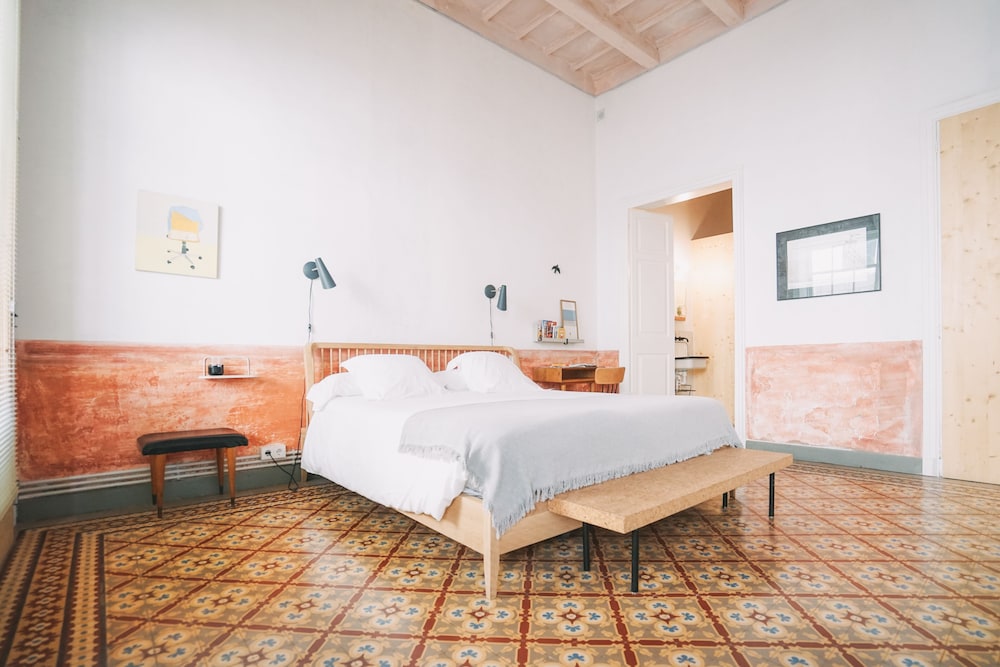
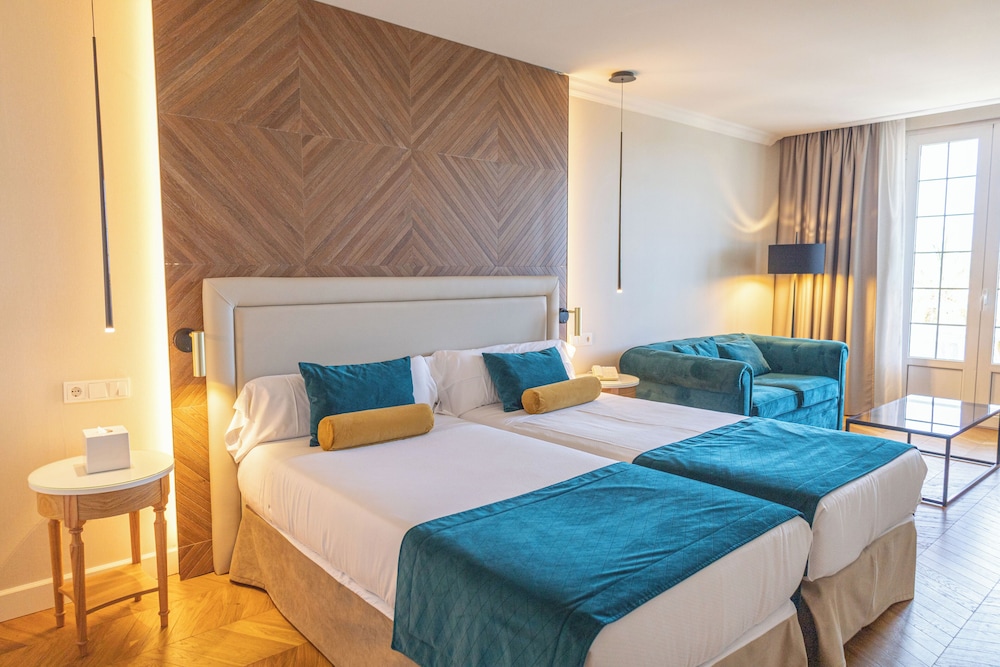
Stays near S'Albufera des Grau: the first 6 of 28 stays in the IMPT hotel database in or close to Maó (Mahón), the nearest area to S'Albufera des Grau, five-star first, then four-star, then by guest score. Each button opens live prices for your dates in the IMPT app.
Yes, declared in 1995. It is the core zone of the Menorca Biosphere Reserve.
Can I swim there?
Yes, at Es Grau beach and the coves along the coast. The lagoon itself is for wildlife.
When is the best time for birds?
Spring and autumn, during migration, but there is something to see all year.
Is it close to Maó?
Yes, a short drive north of the capital.
Is Favàritx lighthouse part of the park?
Yes, the cape and lighthouse are at its northern edge.
Does the Camí de Cavalls pass through S'Albufera des Grau?
The Camí de Cavalls (GR 223) runs around the Menorca coast, and its route near Maó passes through or beside the S'Albufera des Grau area. Walkers should follow the waymarks and any temporary diversions. Park rules apply, so keep to paths and check the natural park office or the Consell Insular de Menorca for current route information.
Are there marked walking routes in S'Albufera des Grau?
Yes. The natural park has paths and tracks for walkers, including routes near the lagoon, dunes and coast. Some are short and easy, while others link with longer trails. Stay on marked paths to protect the habitats. Conditions and closures change, so check the natural park office or the Consell Insular de Menorca before setting out.
What should you take for a visit to S'Albufera des Grau?
Take water, sun protection and comfortable shoes for walking. Binoculars are useful for watching birds from a distance. Shade is limited in open parts, and mosquitoes can be present in warm months, so insect repellent helps. Carry out any rubbish. Check the weather and the natural park office before setting out, as conditions and access can change.
How does S'Albufera des Grau fit into the Menorca Biosphere Reserve?
S'Albufera des Grau is the core zone of the Menorca Biosphere Reserve, which was designated by UNESCO in 1993. The lagoon, dunes and coast around Favàritx are central to the reserve's habitats. Access is managed to protect the wetland and its wildlife. Check the natural park office or the Consell Insular de Menorca for current information.