Es Mercadal holds the middle of Menorca: an inland town, a fishing harbour at Fornells, a resort bay at Arenal d'en Castell, and Monte Toro above them all.
114stays in the IMPT hotel database
3area guides
Menorcaisland
Es Mercadal is the municipality at the centre of Menorca, and the one that reaches from the island's highest ground to the north coast. Its boundaries take in a working inland town, the fishing village of Fornells, the resort bay of Arenal d'en Castell and Monte Toro itself. This is a guide to how those parts fit together, and where to base yourself.
01
A municipality at the centre
Es Mercadal covers the middle of Menorca, from the central hills down to the north coast. It is the one municipality on the island that holds both a working inland town and a long stretch of the Tramuntana shore, and that double character is the reason to know it. Monte Toro rises inside the boundary, the highest point on Menorca at about 358 m. The island's main road crosses it at the town, and the coast is a short drive north.
The difference from the rest of Menorca is one of rhythm. There is no continuous resort strip and no harbour city; instead the land is farmed, divided by dry stone walls, and the settlements are small and separate from one another. Inland, the year follows the farm calendar. On the coast, it follows the season, and outside summer several places close entirely. What stays constant is the Tramuntana, the north wind that shapes the vegetation and the weather.
02
Inland town and coast villages
The municipality's settlements fall into three groups. Es Mercadal town sits at the centre and does the ordinary work of a small town: council offices, a church, a weekly market and shops that keep going through the year. Fornells, on the north coast, is a fishing village that became a summer harbour. Arenal d'en Castell, east along the same coast, is a beach resort built around one sheltered bay. Between them are hamlets and scattered farms.
The separation matters when you choose a base. Staying in town means shops in winter and a short drive to the water. Staying at Fornells means the harbour in front of you from June to September. Staying at Arenal d'en Castell means a sandy bay and a car for everything else, including the town. Parking at Fornells in August tests the patience of most visitors, and the narrow approach road is part of the reason.
Es Mercadal townThe inland service centre, with the church, the weekly market and shops that stay open.
FornellsA fishing port on the north coast, with a sheltered harbour and a summer sailing season.
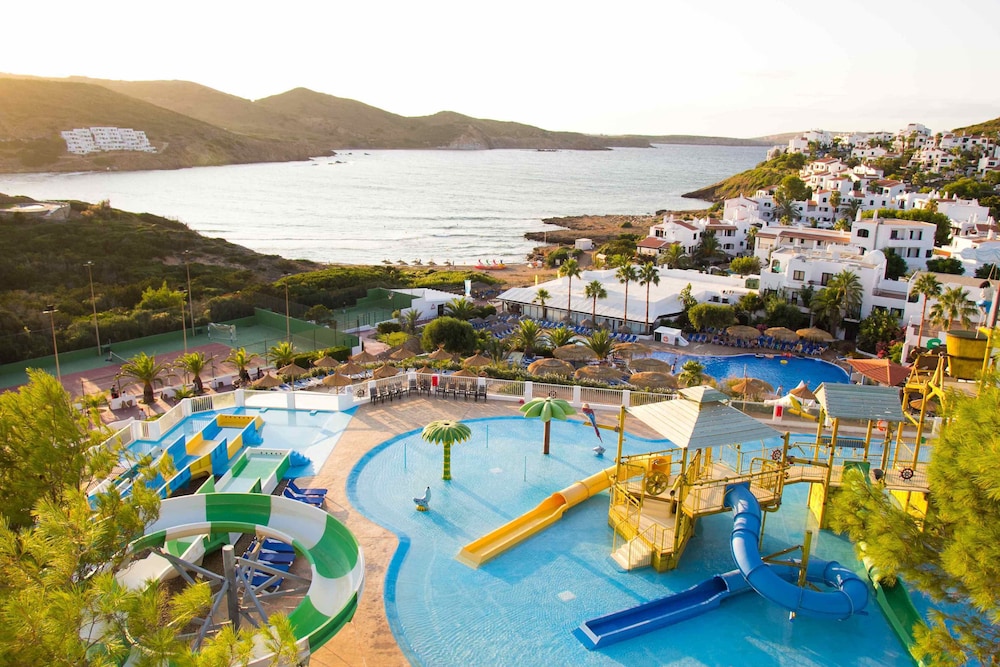
Arenal d'en CastellA resort bay on the north-east coast with a long sandy beach and facilities behind it.
Rural hamletsScattered houses and farms linked by inland lanes and the Camí de Cavalls.
Es Mercadal's square at Christmas, Menorca03
The north coast, beach by beach
The coast here is the darker, older Tramuntana shore: reddish sand, rock, wind and low scrub. Arenal d'en Castell is the easiest beach, a wide curve of sand with facilities behind it and parking close by. Cala Tirant, towards Fornells, is shallow and calm. Further west the shore becomes wilder, and Cavalleria, Binimel·là, Pregonda and Cala Mica are reached on foot or on rough tracks, with the walk in part of the visit.
Access is the thing to plan. Tracks to the wilder coves are unsurfaced, and parking is limited and can be restricted in high summer; car parks fill early and arriving at midday in August rarely works. Walking in from the nearest road takes time, water and shoes that cope with stones. No lifeguard covers these beaches out of season, and the north coast is exposed when the Tramuntana blows. Check current rules with the Consell Insular de Menorca.
Check before you goAccess tracks, summer parking and restrictions on the north coast change from year to year. Ask the Consell Insular de Menorca or the natural park office before driving to a wild cove.
04
Nature and protected land
The whole of Menorca has been a UNESCO Biosphere Reserve since 1993, with the marine area extended later, and Es Mercadal sits inside it rather than beside it. The land is a working agricultural landscape of dry stone walls, small fields, cattle, and wild olive and pine on the steeper ground. A marine reserve protects part of the north coast, with fishing rules that apply to everyone on the water.
The Camí de Cavalls is the best way to see this at walking pace. The historic bridleway circles the whole island, about 185 km in 20 stages, and the northern stages here are the quiet ones. Walking also takes pressure off the coast road. If you drive, stay on marked tracks, leave gates as you find them, and never park on vegetated ground or across a farm entrance.
Biosphere ReserveThe whole island has held UNESCO status since 1993, with the marine area added later.
Marine reservePart of the north coast is protected, with rules for fishing and for boats.
Dry stone wallsField boundaries built without mortar and still maintained by working farms.
PosidoniaSeagrass meadows grow in the bays, and anchoring over them is regulated across the Balearics.
Protect itAnchor on sand or on a mooring buoy, never over posidonia. The meadows are why the water is clear, and a Balearic decree regulates anchoring in the bays.
05
Culture and history
People have lived on this part of Menorca for a very long time. The island's talayotic monuments, the stone towers, taules and navetes of the Bronze and Iron Ages, entered the UNESCO World Heritage list in 2023 as Talayotic Menorca, and there are examples in and around the municipality. The sanctuary on Monte Toro came much later. The view from the summit explains why a religious house was put there and not somewhere lower.
The British period left its own mark. Menorca was under British rule for most of the 18th century, and the tower above the entrance to Fornells harbour was built in that era as part of the coastal defences. Inland, the town grew around its church and the road that crosses the island. The result is a municipality where prehistory, a working church and a fishing harbour sit within a few kilometres of each other.
Prehistory, a hilltop sanctuary and a fishing harbour sit within a few kilometres.
06
Food and markets
This is farming country, and the food follows from that. Mahón-Menorca cheese has a protected designation of origin and is made with milk from the island's cattle; the fields you pass on the inland roads are part of that economy. Vegetables, lamb, sausages and honey come from the same landscape. Restaurants in the town and at Fornells serve it plainly, and caldereta de llagosta, a slow lobster stew, is the dish this coast is known for.
Markets and shops are the practical way in. Es Mercadal holds a weekly market, and the town's shops keep going through the year, which is not true of the coast. Cheese bought from a stall or a grocer is the same cheese sold in the resorts, with more choice and someone who can say which dairy made it. Check the market day with the town hall, since it can change with the season.
CheeseMahón-Menorca has a protected designation of origin and is sold across the island.
CalderetaA slow lobster stew, the dish most associated with this stretch of coast.
Weekly marketEs Mercadal town holds a market; check the current day with the town hall.
GinMenorca's gin tradition comes from the British period, and it is still made on the island.
A cow in the fields near Es Mercadal, Menorca07
Getting there and around
Menorca Airport (MAH) sits about 4-5 km south-west of Maó, and Es Mercadal lies west of it, roughly in the middle of the island. The straight-line distance is given above; road distance and driving time depend on the route and on summer traffic, so treat any figure as an estimate. The main road between Maó and Ciutadella crosses the municipality, which makes it straightforward to reach by car or bus.
A car is the simplest way to cover the coast, but not the only one. Buses run between Maó, Es Mercadal, Fornells and the coast in summer, with fewer services out of season; check the island bus operator for current timetables and line numbers. Cycling works on the inland lanes, though the coast tracks are rough. Walkers need no transport at all: the Camí de Cavalls links the beaches on foot.
Check before you goBus frequencies, summer parking and access tracks to the coves change from year to year. Check with the island bus operator and the Consell Insular de Menorca before relying on them.
08
Staying in the municipality
Es Mercadal suits people who want the centre of Menorca rather than a resort strip: walkers on the Camí de Cavalls, families who want a sandy bay and are happy to drive, and anyone who prefers a town that keeps working in winter to a coast that empties in October. It suits less well those who want everything within walking distance, because the coast and the town are separate. The IMPT hotel database lists 114 stays in the municipality.
Fornells has its own guide on this site, covering the harbour, the tower above the entrance and the sheltered water that makes it a base for sailing and kayaking. Arenal d'en Castell has one too, for the bay, the beach and the practical side of staying in a resort that closes for the winter. Read those two before choosing a coastal base; they cover access and parking in more detail.
Es Mercadal town has a guide covering the streets, the church and the market, for anyone who wants to be inland and within reach of everything. Monte Toro has one for the summit, the sanctuary and the road up, which is short and steep. Between the four guides the whole municipality is covered, so start with the one that matches the holiday you are planning.
09
When to go and what closes
Summer is high season and the coast is at its busiest: the beaches fill, the tracks and car parks come under pressure, and Fornells and Arenal d'en Castell run at full capacity. Spring and autumn are better for walking, with cooler days and quiet paths. The sea is typically about 18-19 °C in May and 23-25 °C in September, so swimming is comfortable either side of the peak.
Out of season, much of the tourism business on the coast closes, roughly from November to April. Many hotels, beach bars, boat trips and seasonal buses stop running, and some restaurants at Fornells and Arenal d'en Castell shut too. Es Mercadal town is quieter but not shut, and Maó and Ciutadella stay open through the year. Check opening before travelling and never assume a place will be serving in January.
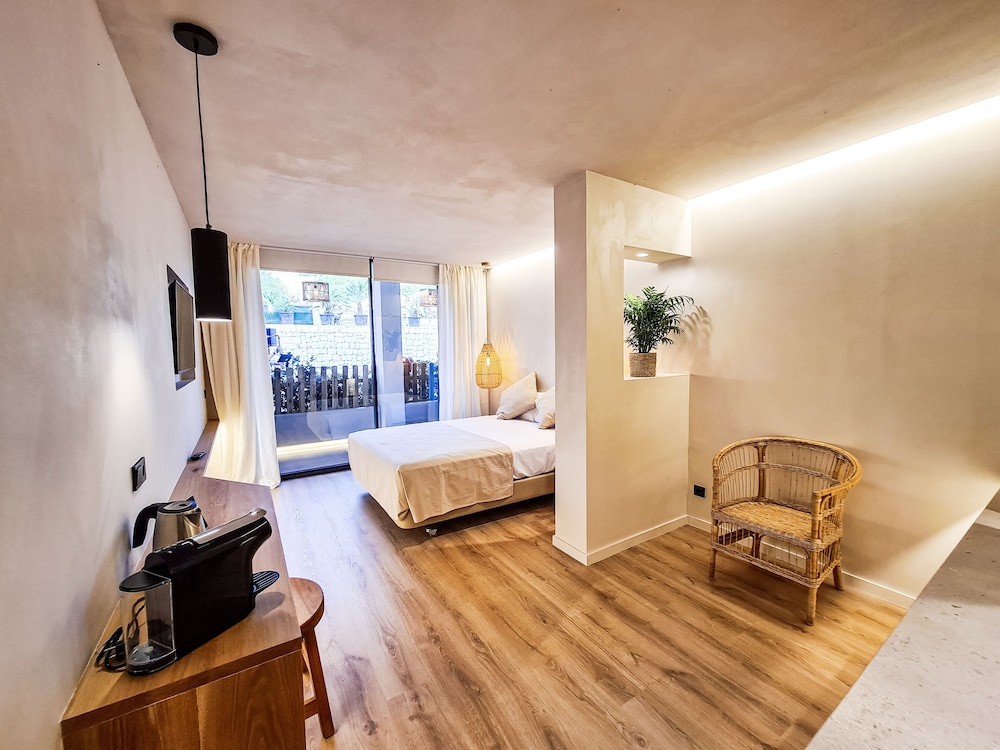
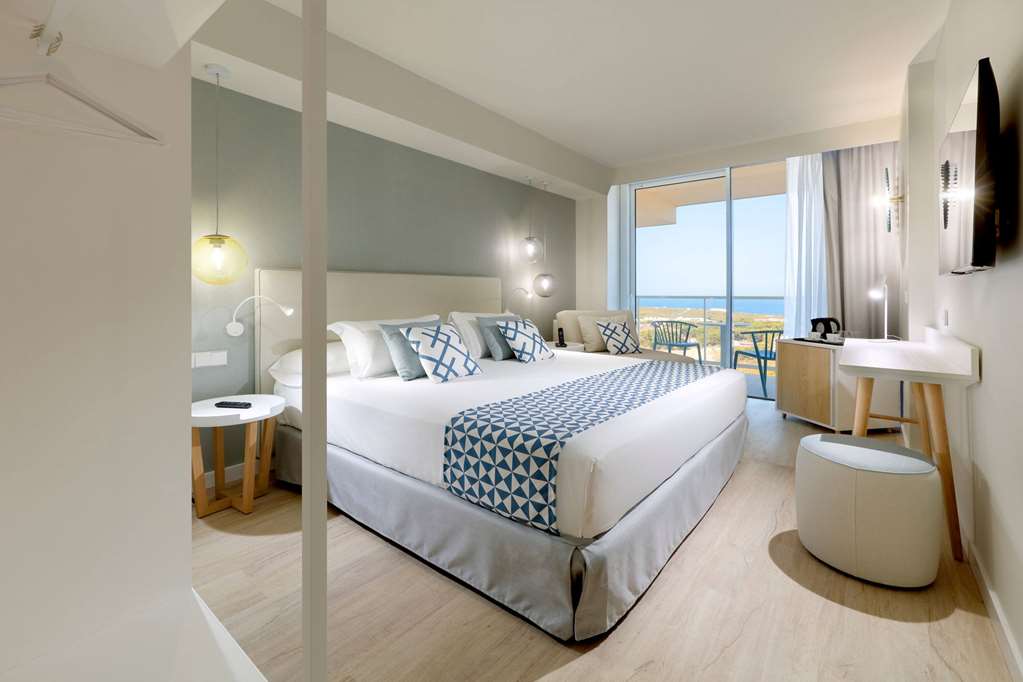
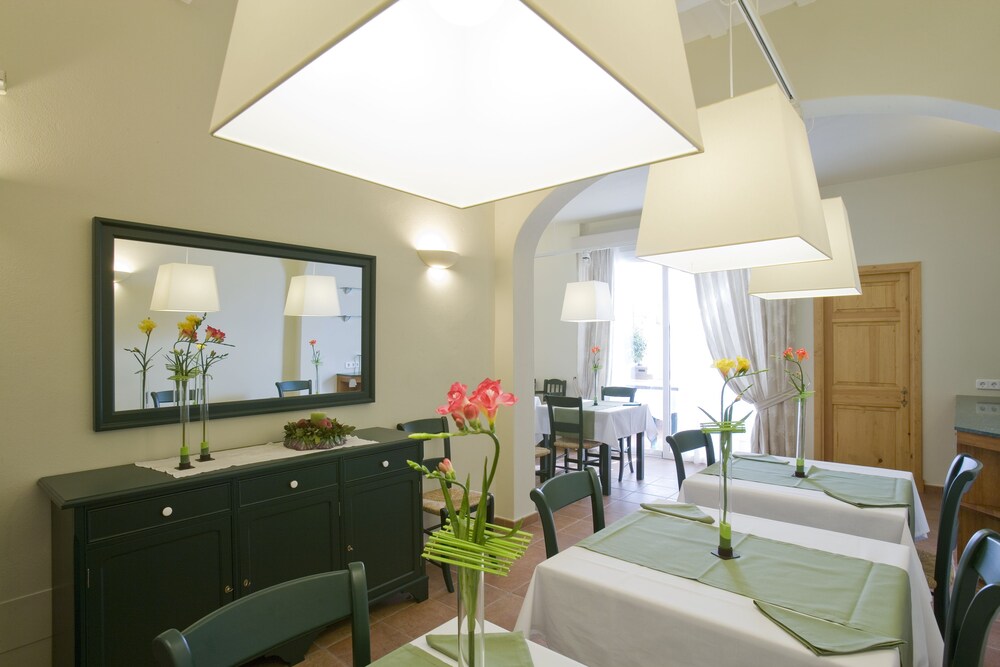
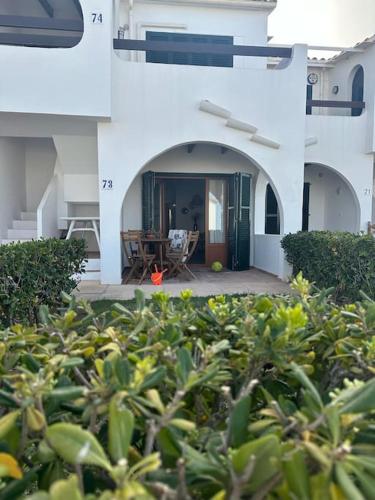
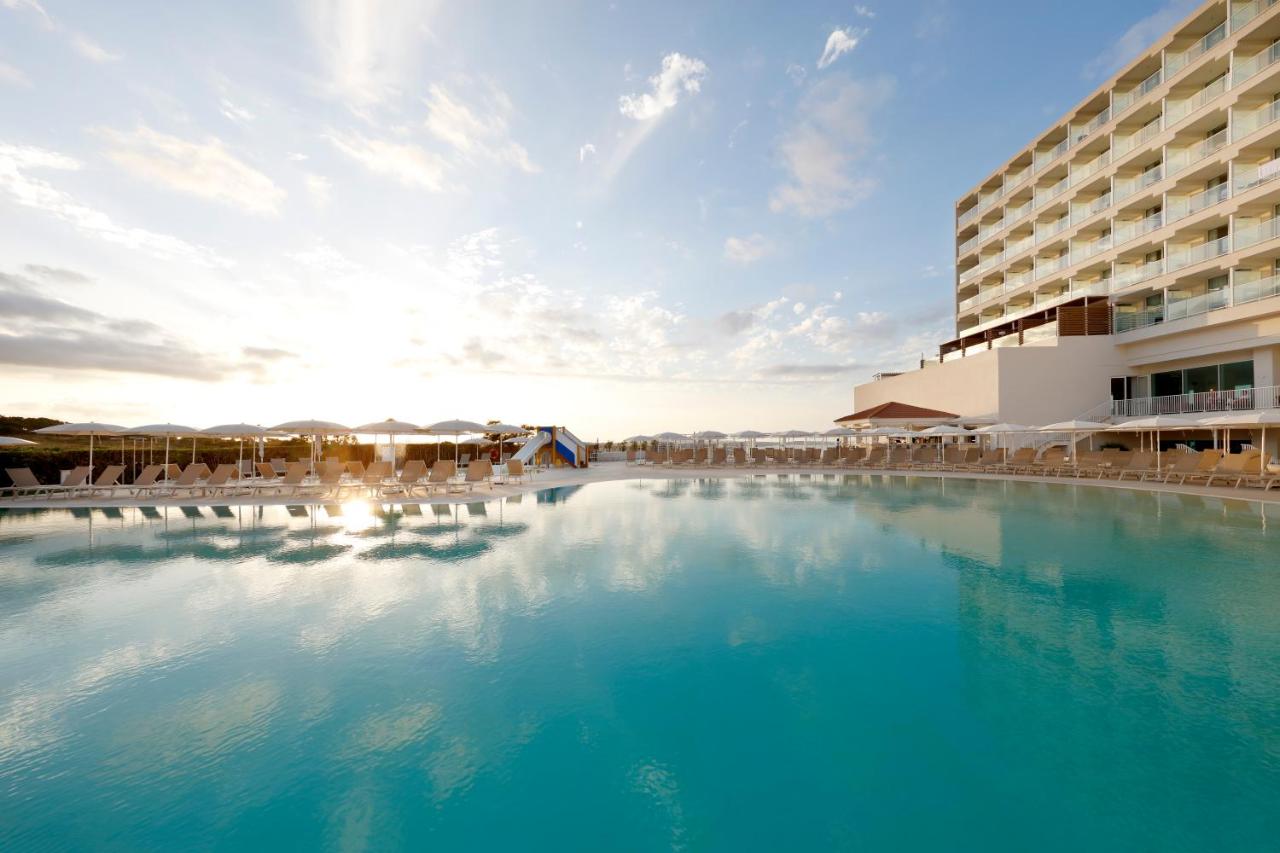
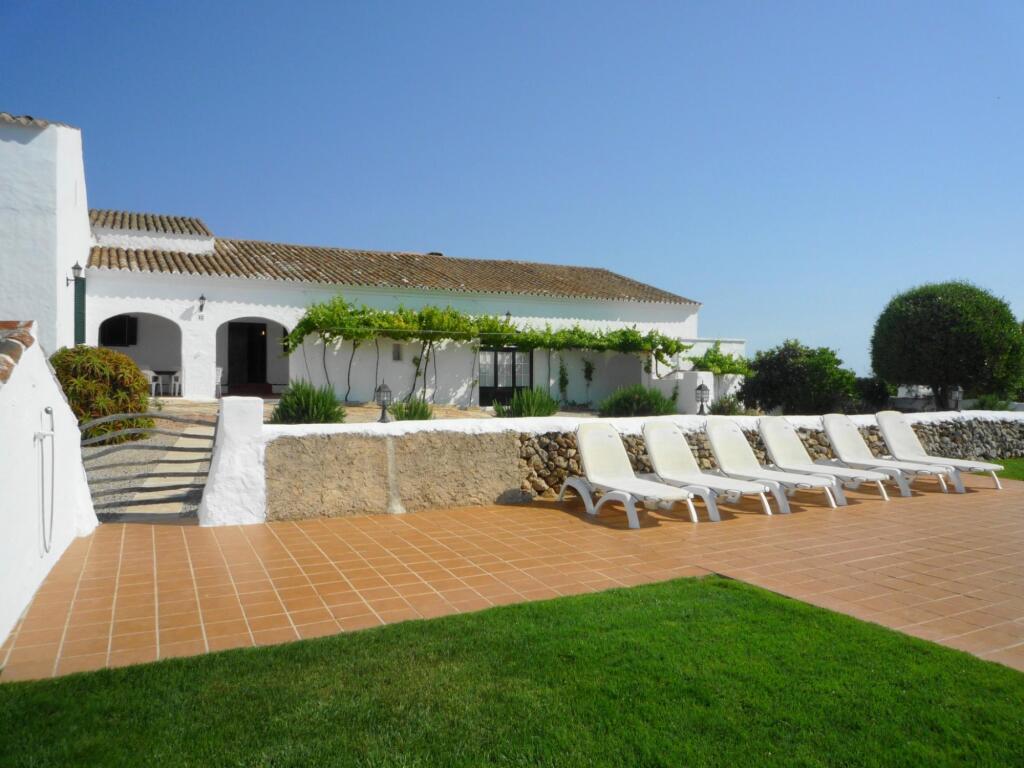
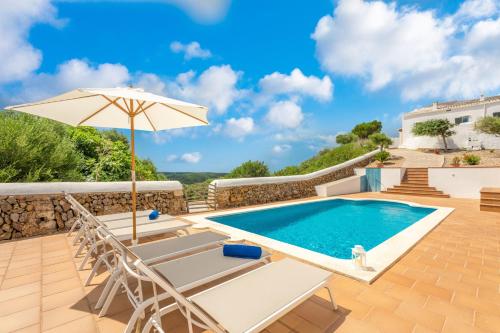
Stays in Es Mercadal: the first 9 of 114 stays in the IMPT hotel database in or close to Es Mercadal, five-star first, then four-star, then by guest score. Each button opens live prices for your dates in the IMPT app.
Es Mercadal covers the centre of Menorca, reaching from the central hills to the north coast. Monte Toro, the island's highest point at about 358 m, rises inside the municipality above the town. The main road between Maó and Ciutadella crosses it, which makes it a practical base for both ends of the island.
Which beaches are in Es Mercadal?
The municipality's beaches are on the north coast: Arenal d'en Castell, Cala Tirant, Cavalleria, Binimel·là, Pregonda and Cala Mica among them. Arenal d'en Castell is the easiest to reach, with parking and facilities behind the sand. The others are wilder, reached on foot or by rough tracks, and summer parking is limited.
Do you need a car to explore Es Mercadal?
A car makes the coast much easier, because the coves and the town are separate and buses are sparse outside summer. That said, the Camí de Cavalls links the beaches on foot and there are bus services from Maó in summer. Check the island bus operator for current timetables before deciding.
How do you get to Es Mercadal from Menorca Airport?
Menorca Airport (MAH) is about 4-5 km south-west of Maó, and Es Mercadal lies west of it, roughly in the middle of the island. The straight-line distance is shown above; road distance and driving time vary with the route and summer traffic. Car hire is available at the airport, and buses run from Maó.
Is Es Mercadal a good base for the Camí de Cavalls?
Yes. The Camí de Cavalls crosses the municipality, and the northern stages here are among the quieter ones. The bridleway circles the island, about 185 km in 20 stages, so a base at Es Mercadal or Fornells lets you walk sections and return by bus or car. Carry water: the north coast has little shade.
What is there to see in Es Mercadal out of season?
Out of season the coast empties but the town continues. Monte Toro and its sanctuary stay accessible, the talayotic monuments can be visited, and the inland lanes and dry stone walls are at their best for walking in spring and autumn. Many coastal businesses close roughly from November to April, so check opening first.
Which villages are in Es Mercadal municipality?
Es Mercadal town is the administrative centre. The main coastal settlements are Fornells, a fishing village and summer harbour on the north coast, and Arenal d'en Castell, a resort built around a sandy bay to the east. Between them are small hamlets and scattered farms connected by lanes and the Camí de Cavalls.
What food is Es Mercadal known for?
The inland fields supply Mahón-Menorca cheese, which has a protected designation of origin and is sold across the island. The north coast is known for caldereta de llagosta, a slow lobster stew served in the ports in season. Es Mercadal town also holds a weekly market; check the day with the town hall, as it can change.
Is Es Mercadal busy in summer?
The coast is. Arenal d'en Castell and Fornells both fill in July and August, the car parks near the wild coves are limited and the tracks come under pressure. The inland town stays quieter and useful when the coast is crowded. Spring and autumn are better for walking, and the sea stays warm into September.
Photo credits: Anka D, CC BY 3.0, via Wikimedia Commons; Christian Michelides, CC BY-SA 4.0, via Wikimedia Commons; Jabasildo5454, CC BY-SA 4.0, via Wikimedia Commons.
Watch
Menorca
Menorca's coast in three scenes, ending with sunset at Fornells.
Captions are built in; the transcript is on the Menorca page.
Video: Raymond Petrik, Angelo Esposito, Agusti Perez on Pexels