An old bridleway that runs right round Menorca, linking coves, cliffs, farms and watchtowers. Walk one stage or all twenty.
~185 kmaround the whole island
20marked stages
GR 223long-distance trail
The Camí de Cavalls, the horse path, was used for centuries to patrol the coast. Today it is a marked long-distance trail, and the best way to see the coves and cliffs without a car.
01
What the path is
The route follows the coast around the whole island and is usually given as about 185 km long. It is waymarked and divided into twenty stages, each with a start and end point reachable by road.
Historically it linked watchtowers and coastal defences. After falling out of use, it was restored and reopened for walkers, cyclists in places, and riders.
02
Choosing a stage
The south coast stages between Cala Galdana and Ciutadella pass the famous coves, with pine shade and limestone. They are the busiest.
The north coast stages are wilder: dark rock, red earth, few trees and more wind. The stretch through S'Albufera des Grau is one of the most varied.
Easy startCala Galdana to Macarella, short and shaded.
Wild northEs Grau towards Favàritx, open and remote.
West coastCiutadella to Punta Nati, cliffs and sunsets.
Cala Macarella, on one of the south coast stages.03
Planning a walk
Most stages take a few hours. Check how you will get back: buses run to many start points in summer, and taxis can be booked.
Carry more water than you think. Shade is limited on the north coast, and there are few places to refill between towns.
Check before you goStage conditions and closures are published by the island council. Check before setting out, especially after storms.
04
On the path
Much of the path crosses private farmland. Close every gate behind you, keep dogs on a lead near livestock and stay on the marked route.
Fire risk is high in summer. Smoking and fires are restricted, and the rules are enforced.
Close the gate behind you. The path exists because the farms let it.
Protect itStay on the waymarked route, close gates, and carry out all rubbish.
05
When to go
Spring and autumn are ideal: green, mild and quiet. Summer is hot at midday; walk early and finish with a swim.
In winter the path is almost empty, and the north wind can be strong. Check the forecast before longer stages.
06
Swims and stops along the way
Many stages pass coves where you can swim. Bring a towel and stop when you find somewhere quiet.
Watchtowers, lighthouses and prehistoric sites lie close to the route in several places. A good map shows them.
07
Defence and the coast
The Camí de Cavalls follows a coast that was watched for centuries. Watchtowers stand on headlands above several stages, placed to spot sails and pass word along the island. Around Maó harbour the defence is closer: the long natural harbour, the Georgian windows of the old town and the barracks town of Es Castell recall the British period, when Menorca was a naval station for most of the 18th century. Walking a stage reads that history in the landscape rather than in a museum.
Away from the harbour, the path links farms and coves rather than forts. Dry-stone walls divide fields, and gates mark the line between public trail and working land. The route is a bridleway, not a promenade: it uses old tracks, farm lanes and rough ground. That mixture is the point. A stage can pass a tower, a cala and a farmyard in the same stretch, with no ticket desk and no fixed opening time.
At the western end, Ciutadella gives a stage a town to start or finish in. The old capital has a tight centre and a harbour, and the Naveta des Tudons, a boat-shaped prehistoric tomb, stands nearby. In late June the Sant Joan festival fills the streets with horses and riders, around 23 and 24 June, so routes and accommodation are busier then. Check the Consell Insular de Menorca for any path diversions before setting out.
08
Two coasts, two geologies
Menorca's coast changes with the rock. The north coast, the Tramuntana, is darker and older, with reddish sand, exposed headlands and a wind that shapes the vegetation. The south coast, the Migjorn, is limestone: white sand sits in coves below pines. A single stage shows one side clearly. Walking stages in different parts of the island shows why the same path can feel like two different trails, and why the Camí de Cavalls is not a single coastal promenade.
The north-east brings the path close to S'Albufera des Grau Natural Park, the core zone of the Biosphere Reserve. Here the route passes close to a lagoon, dunes and the Favàritx cape, where the rock is dark and the coast is sharp. This is a place to slow down and look rather than push on. Birdlife, salt-tolerant plants and open water sit beside the trail, and the natural park office can explain current access and any seasonal restrictions.
Inland, Monte Toro rises above Es Mercadal to about 358 m, the highest point on the island, with a sanctuary on top. It is not on the coast path, but it gives a useful bearing on clear days and explains the shape of the land between the two coasts. The whole island has been a UNESCO Biosphere Reserve since 1993, and the path is one of the clearest ways to see what that designation protects: coast, farmland, wetlands and quiet villages.
The Camí de Cavalls on the Cavalleria peninsula, Menorca09
Walking with care
Walking the Camí de Cavalls means walking through a UNESCO Biosphere Reserve, not a theme park. Stay on the marked line, especially across dunes, farmland and cliff edges. Where the path crosses working land, leave gates as they are found and give livestock room. Take litter home, avoid picking plants and keep a distance from nesting birds. The trail is public, but the land around it is not, and the reserve designation depends on that distinction being respected.
Water is the main practical matter on warm days. The path is exposed in places, and shade is not guaranteed between coves and farms. Carry enough water for the stage and do not rely on taps or springs appearing on the way. A hat and a windproof layer make sense on the north coast, where the wind can mask the sun. Tell someone the route and expected return, and turn back if the weather changes.
Before setting out, check the Consell Insular de Menorca for path notices, fire restrictions and temporary diversions. For the S'Albufera des Grau area, the natural park office can confirm current access. Some sections cross farmland or pass near private houses, so follow signs and do not improvise shortcuts. The route changes with weather and land management, and a small check at the start avoids a wasted day. Walk lightly, and the path stays open for everyone.
Where to wake up
Stays near a stage of the Camí de Cavalls
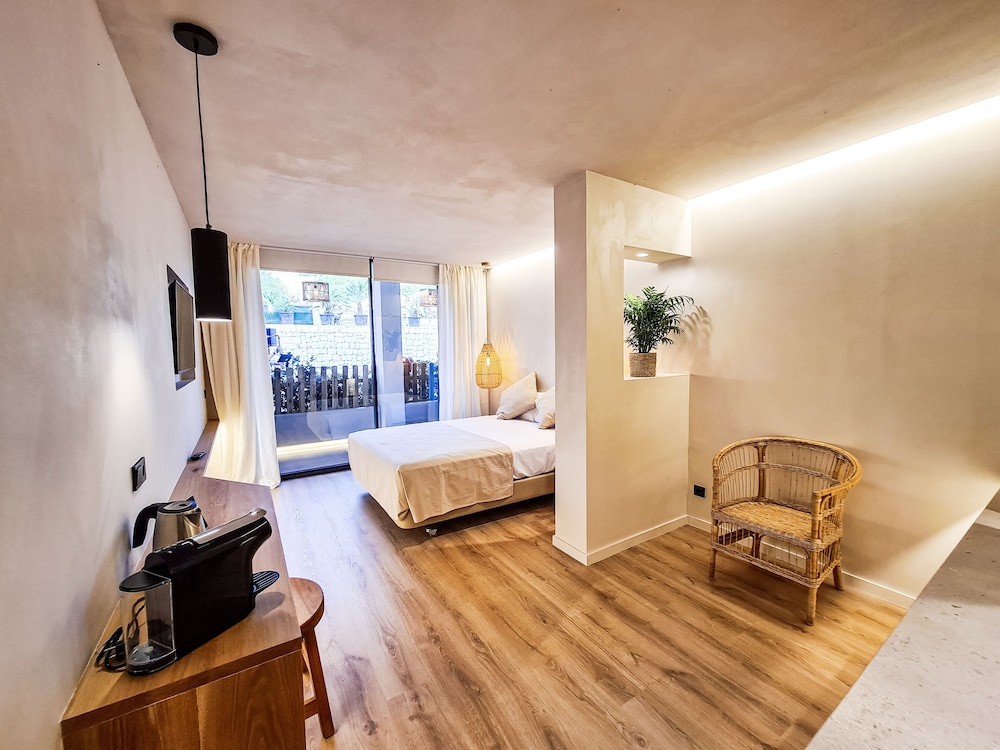
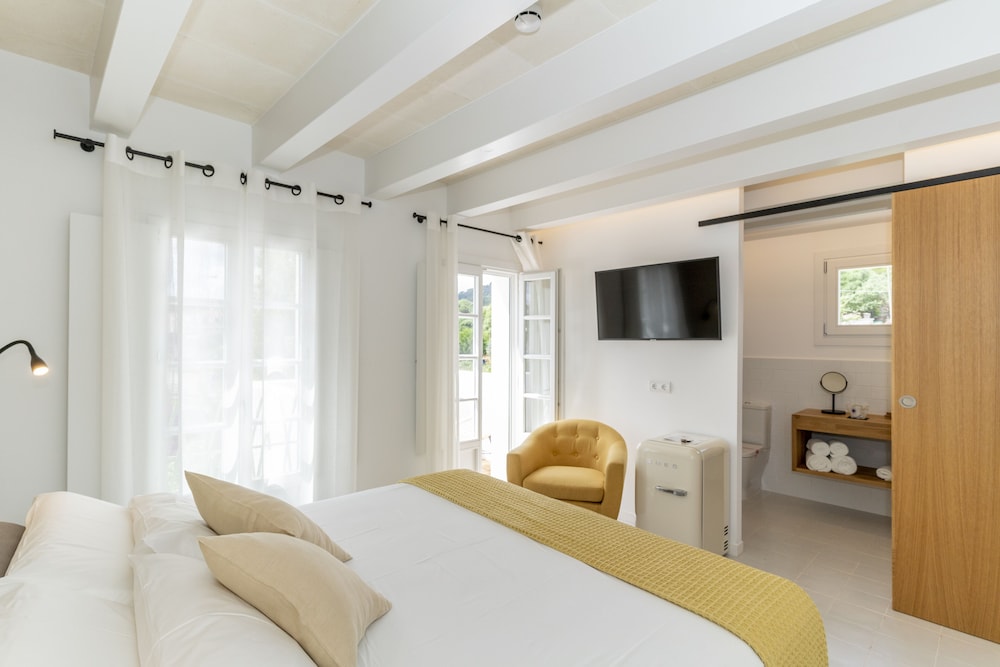
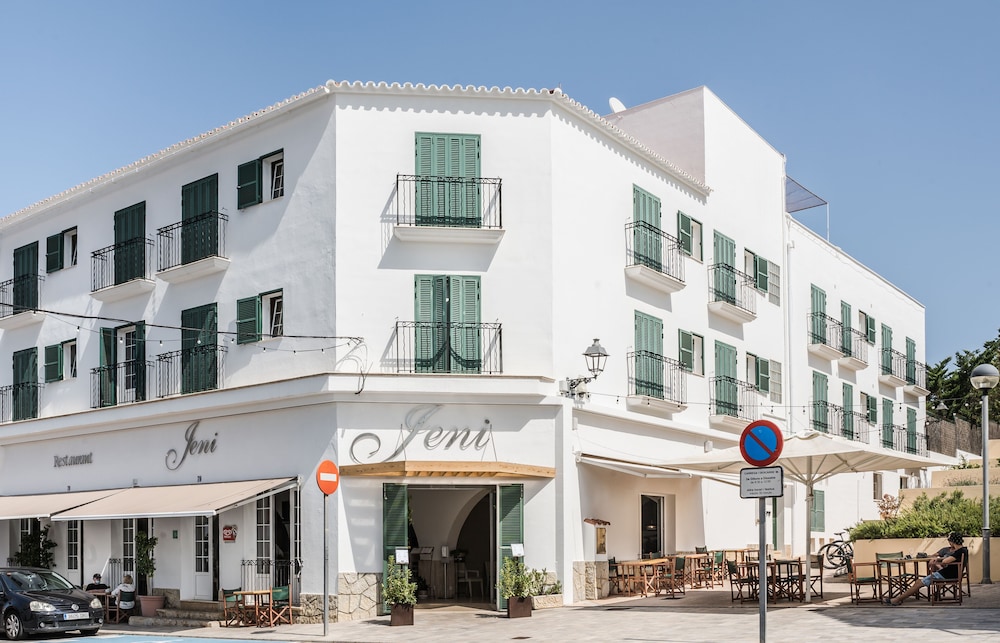
Stays near a stage of the Camí de Cavalls: the first 6 of 9 stays in the IMPT hotel database in or close to Es Mercadal and Monte Toro, the nearest area to Walk a stage of the Camí de Cavalls, five-star first, then four-star, then by guest score. Each button opens live prices for your dates in the IMPT app.
How long is the Camí de Cavalls (Walk a stage of the Camí de Cavalls)?
About 185 km around the whole island, in twenty stages.
Is it marked?
Yes, with waymarks along the route.
Can I do it in one trip?
Many people walk it over about a week to ten days. Others walk single stages.
Can I cycle it?
Some stretches allow bikes, others are for walkers only. Check current rules.
Is there water on the route?
Not much. Carry enough for the whole stage.
How do I reach the start and end of a stage without a car?
Many stages begin near villages or coves served by seasonal buses, but services are thinner outside summer. Check the island bus operator for current lines and times, and arrange a taxi or a lift back where needed. Some trailheads are remote, so plan the return before setting out.
When is the best time of year to walk a stage?
Spring and autumn are comfortable, with cooler conditions and more daylight than high summer. July and August bring heat and busy coasts, so start early and carry plenty of water. From roughly November to April many seasonal businesses close and some buses are fewer; check the Consell Insular de Menorca and the bus operator for current conditions.
What should I carry on a day stage?
Sturdy shoes, water, sun protection, a hat, food, a charged phone and a map or offline route. The trail crosses exposed coast and rough ground, and weather can change. Carry out all rubbish. In summer, start early and avoid the middle of the day.
Can I walk a stage with a dog?
The Camí crosses private land, beaches and protected areas, and rules vary by section and season. Check current access rules with the Consell Insular de Menorca before setting out, and keep dogs under control near livestock and nesting birds. Some beaches restrict dogs in summer.