Son Bou holds the longest beach on Menorca, a broad strip of pale sand with dunes and a wetland behind it. It is a practical base for the south coast, quiet in winter and busy in August.
12.7 kmfrom MAH, straight line
54stays in the IMPT hotel database
Southcoast
Son Bou is the longest beach on Menorca and one of the few places on the south coast with a resort behind the sand rather than a small cove. It suits people who want space, shallow water and a base close to the airport, and who accept that the surroundings are built up in summer. Everything else needs a car or a bus.
01
A single long curve of sand.
Son Bou is the longest beach on Menorca, a single curve of pale sand on the Migjorn coast, the limestone half of the island where the water clears quickly over a shallow floor. It is wide enough at the back for a walk without stepping over towels. Behind the sand are dunes held by low vegetation, then pines, then the low buildings that arrived with tourism in the second half of the twentieth century. From the water, the whole length is visible at once.
The resort behind the beach does not pretend to be a village. It is a line of buildings set back from the sand, with one main road, a few side streets and everything within walking distance of the sea. That matters when choosing: Son Bou is a beach with accommodation attached rather than a town with a beach. The nearest real settlements are Alaior and Es Migjorn Gran, both inland and both a short drive in either direction.
The beach is long enough that the crowd near the entrance is not the crowd a kilometre west.
02
Sand, dunes and the wetland.
The sand is fine and pale, and the seabed stays shallow a long way out, which is why families settle here. Beyond the swimming zone the water darkens in patches: those are meadows of Posidonia oceanica, the seagrass that keeps the water clear and holds the sand in place. It grows from the shallows to about 30-40 m deep. The dark shapes are plants, not rocks, and they are protected. Anchoring over the meadows is regulated, and buoys are laid in some bays in summer.
At the western end the dunes give way to a low wetland behind the sand, where reeds and tamarisk hold fresh water through most of the year. It is small, unglamorous and quietly important. Birds moving between Europe and Africa drop into it in spring and autumn, and herons and egrets feed there in winter. A path skirts the edge; stay on it, because the ground is soft and the reeds are nesting habitat.
Son Bou beach seen from the Cap de ses Penyes, Menorca
Protect itThe dunes and the wetland are the reason Son Bou does not end in a wall of concrete. Keep to the paths and off the vegetation, which holds the sand in place.
03
Sights within easy reach.
Above the western end of the beach are the footings of an early Christian basilica, a small church with a baptistery built in the centuries after Rome. It takes a few minutes to walk round, and it explains how early this coast was settled. The ruins sit in open ground, unenclosed, looking back along the whole length of sand, which is the better half of the visit.
West of Son Bou the coast turns wilder. The Camí de Cavalls, the historic bridleway that circles the island in stages, runs close by and links the beach with Sant Tomàs and, beyond it, Binigaus, a long empty sweep reached on foot through a gorge shaded by pines. Inland, Alaior is a whitewashed town with a church on the hill and a long cheese-making history. Es Migjorn Gran is smaller and quieter, with a square and not much else.
The talayotic monuments of Menorca are inland rather than on this coast, but the hinterland around Alaior has them: stone towers, boat-shaped tombs and the walls of villages built in the Bronze Age. Talayotic Menorca joined the World Heritage list in 2023, and the sites are usually unenclosed, standing in fields with a path and an information panel. A morning's drive inland brings the island's older history into view.
Early basilicaThe footings of a small Christian church stand above the western end of the beach.
BinigausA long, quiet beach west of Sant Tomàs, reached on foot through a pine-shaded gorge.
AlaiorAn inland town with a hilltop church and a long cheese-making tradition.
Camí de CavallsThe coast path passes close by, so the south coast can be walked in stages.
04
Who Son Bou suits.
Son Bou works best when the beach is the main event. The sand is wide, the entry to the water is gentle, and there is enough behind the beach to eat and shop without driving anywhere. Families with young children settle easily. Walkers get a base on the south coast with the Camí de Cavalls at the door. It is a straightforward, uncomplicated place to stay, which is most of its appeal.
It suits less if the evening matters. There is no old town to wander, no harbour and no square; nights are quiet and mostly indoors. It also suits less without a car, because the island beyond the beach needs one, at least outside July and August when the buses run. In August the central stretch fills up. In May and October the same sand can look almost empty. Choose by temperament. A photograph taken in June is not a promise about August.
FamiliesShallow water and a wide beach make it the simplest choice on the south coast.
WalkersThe coast path passes close by, with Binigaus a morning's walk west.
Without a carWorkable in summer, limiting outside it: the beach becomes the whole day.
EveningsNot the place for a town square, so plan to eat where you stay or drive.
05
Evenings and food.
Eating in Son Bou happens along the main street and near the beach entrances, in places that open for the season and close when it ends. The repertoire is the straightforward one of a beach resort: fish, rice, grilled meat, pizza, ice cream, menus in several languages. Nothing here sets out to be a destination restaurant. In July and August, eat early or reserve a table; in June and September, walk in and choose by eye.
For a different evening, drive inland to Alaior, which stays open all year: a compact centre of stone houses, a church on the hill and ordinary bars where the town eats. Es Migjorn Gran is smaller and quieter still. Both are a short drive and neither depends on the season. In January the towns are what remains open, along with Maó, half an hour away, which has the harbour and the year-round life.
Supermarkets and bakeries behind the beach cover the basics in season, and the inland towns hold weekly markets where producers sell cheese, vegetables and sausage. Mahón-Menorca cheese has a protected designation of origin and appears on most menus, young and mild or aged and salty. Gin arrived with British rule in the eighteenth century and is still drunk here, usually with lemonade and plenty of ice. Markets also solve lunch: bread, cheese, tomatoes and fruit, eaten on the sand.
The Prat de Son Bou wetland behind the beach, Menorca06
Getting there from the airport.
Menorca Airport (MAH) is about 12.7 km from Son Bou in a straight line, south-west of Maó. By road it is longer: the route runs through or around Alaior on the main Maó to Ciutadella road, then down a spur to the coast. A taxi or a pre-booked transfer is the simplest arrival. Car hire at the airport makes the area easy on your own terms for the rest of the week.
Buses from the airport run to Maó, and seasonal services reach parts of the south coast; timetables change with the month and thin outside summer, so check the island bus operator for the week you travel. Parking is the other constraint. The car parks behind the beach fill by mid-morning in August and the access road is short. Arrive early, or come on the bus, or come in June.
Check before you goSouth coast bus services change with the season and are thin outside summer. Check the island bus operator, and confirm any transfer booking before flying.
07
Getting around.
A car turns a beach holiday into an island one. From Son Bou, Maó is a straightforward run east and Ciutadella is further west, while the north coast calas and the S'Albufera des Grau natural park are within a day's drive. Roads are quiet outside July and August and distances are short. Fuel is available in Alaior and on the main road. The network is small enough to learn in a day.
Without a car, the beach, the wetland and the coast path are still yours, and that is a reasonable holiday. Bicycles handle the lanes well, though the climb inland to Alaior is steady and shaded only in parts. The Camí de Cavalls is walking territory, waymarked and mostly clear, and the stretch west towards Binigaus is the obvious half day. Taxis exist but are few; ask where you stay how the local system works.
By carThe easiest way to reach the south coast calas, Maó and Ciutadella.
By busSeasonal services link the coast with Maó, with fewer departures outside summer.
By bikeQuiet lanes and short distances, with a steady climb up to Alaior.
On footThe Camí de Cavalls covers the coastal stretch towards Sant Tomàs and Binigaus.
08
When to go.
May, June, September and early October are the best of it. The sea is typically around 18-19 °C in May, 22-23 °C in June and 23-25 °C in September, the beach is uncrowded and most things are open. July and August bring heat, full car parks and a resort at its busiest. April and November can be beautiful and empty, with shutters down and the water cold: about 14-15 °C in February and March.
Much of the tourist business on Menorca closes roughly from November to April: many hotels, beach bars, boat trips, seasonal buses and many restaurants. Son Bou is seasonal by nature and empties, and the beach belongs to walkers and birds. Alaior, Maó and Ciutadella stay open all year. Winter here means walking, birdwatching in the wetland and eating inland rather than on the coast. Confirm what is open before booking outside the season.
Where to wake up
Stays in Son Bou
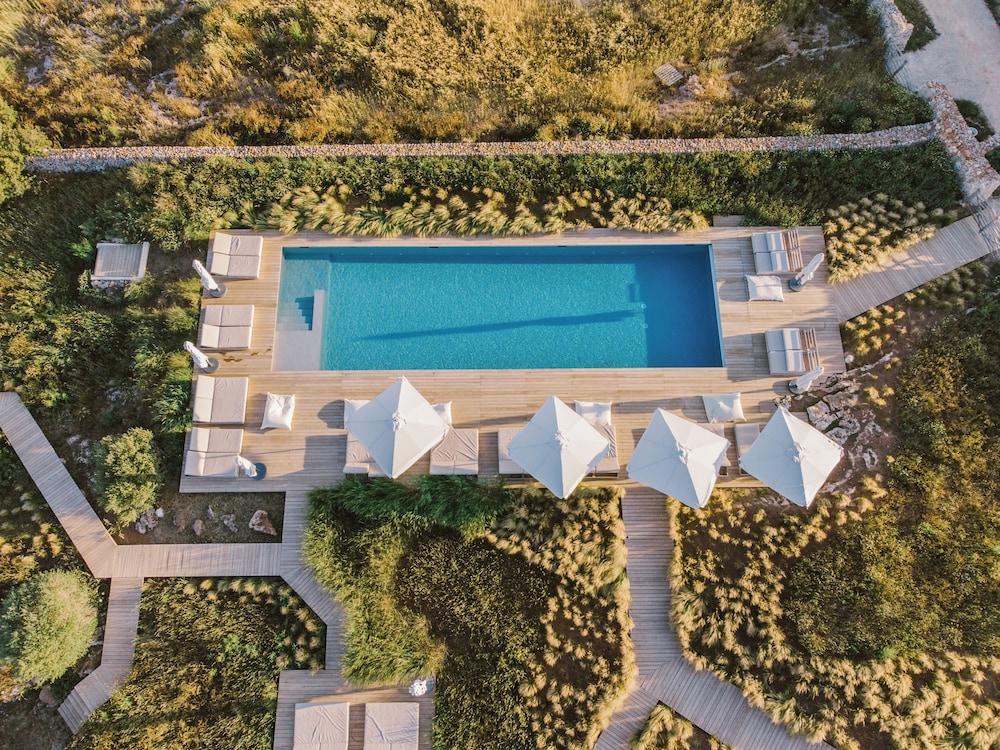
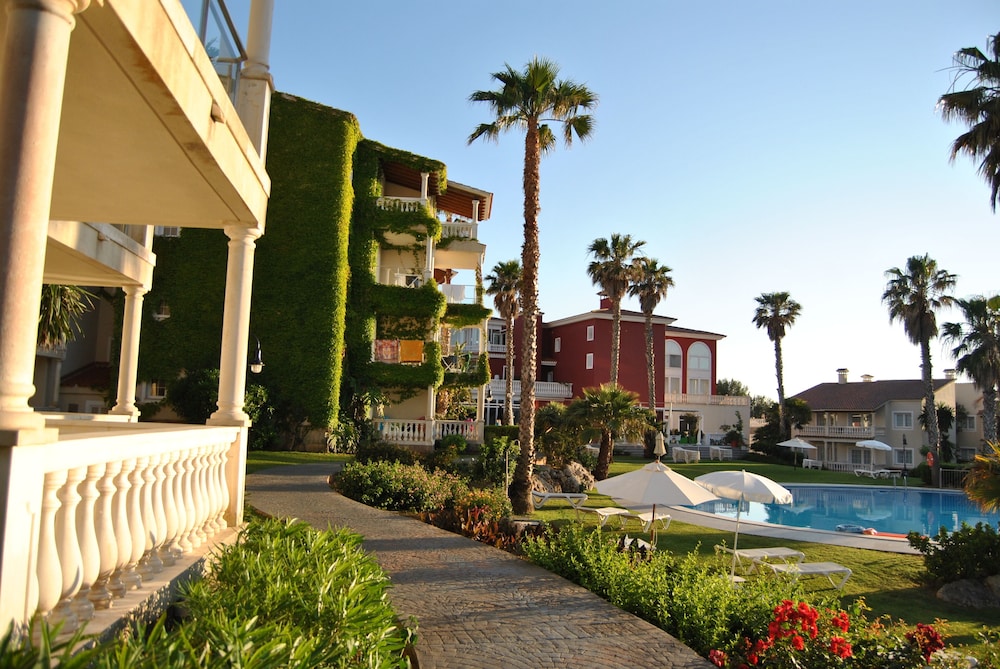
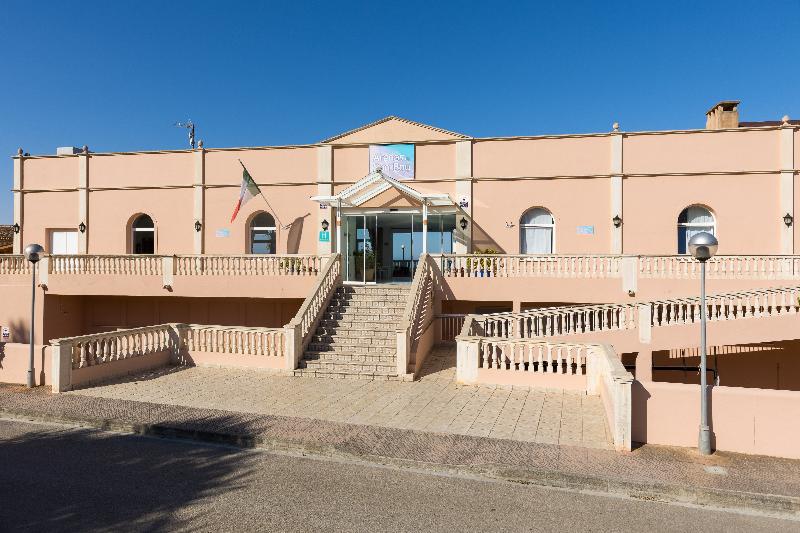
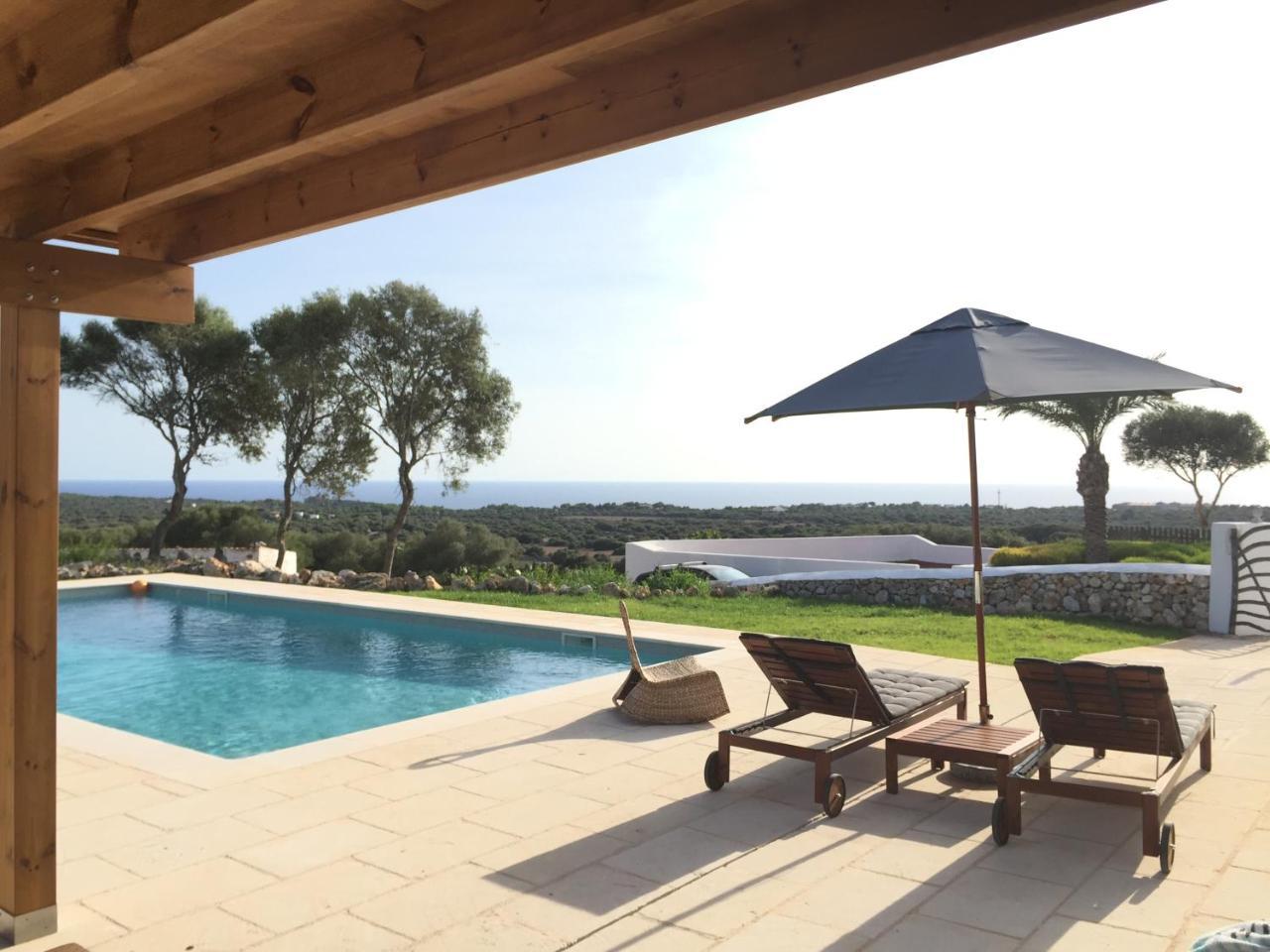
Stays in Son Bou: the first 12 of 54 stays in the IMPT hotel database in or close to Son Bou, five-star first, then four-star, then by guest score. Each button opens live prices for your dates in the IMPT app.
Yes. The sand at Son Bou runs in one unbroken curve for several kilometres, longer than any other beach on the island, with dunes and a wetland at its back. It faces south and the seabed shelves gently, so it holds its shape for swimming even when the wind is up elsewhere. Long does not mean empty in August.
How far is Son Bou from Menorca Airport?
Son Bou is about 12.7 km from Menorca Airport (MAH) in a straight line. The road route is longer, since it runs through or around Alaior before dropping to the coast. By car or taxi the drive is short and straightforward; buses from the airport go to Maó first, then seasonal services continue south. Check current timetables with the island bus operator.
Is a car needed in Son Bou?
Not for the beach, the wetland or the coast path, all of which are within walking distance. A car helps for everything else: the south coast calas, Maó, Ciutadella, the north coast and the natural parks. In summer the seasonal buses make a carless stay workable; outside summer they thin out badly. Hire at the airport if you plan to move around.
Is the water at Son Bou shallow enough for children?
Yes. The seabed shelves gently for a long way out, so children can stand in the water close to the sand and the waves rarely build. The back of the beach is wide, with room for shade and games. As anywhere on Menorca, watch the wind: an onshore breeze brings bigger water, and follow the flags where lifeguards are on duty in summer.
What can you see near Son Bou besides the beach?
The footings of an early Christian basilica stand above the western end of the sand. The Camí de Cavalls passes close by, linking Sant Tomàs and the long beach at Binigaus through a pine-shaded gorge. Inland, Alaior has a hilltop church and a cheese-making history, and the talayotic sites of the hinterland are within a short drive.
Does Son Bou stay open in winter?
Mostly not. Much of the tourist business on Menorca closes roughly from November to April, and Son Bou is seasonal by nature: the beach bars, many places to eat and much of the accommodation shut. The beach, the wetland and the paths stay open, and Alaior, Maó and Ciutadella keep going all year. Check ahead before booking outside the season.
How do you walk from Son Bou to Binigaus?
Follow the Camí de Cavalls west from Son Bou towards Sant Tomàs, then on to the gorge that opens onto Binigaus. The way is waymarked and mostly clear, with a few rocky stretches and one steady climb. It is a half day at an easy pace, and the beach at the end is long and usually quiet. Carry water; shade is patchy.
Is Son Bou a good base for the Camí de Cavalls?
Yes, for the southern stages. The bridleway runs close to the beach, and the stretch towards Sant Tomàs and Binigaus is the obvious short walk from the door. The full route circles Menorca in about 20 stages, so a base here covers a section rather than the whole. Walkers who want to complete it usually move around the island.
When is the best time to visit Son Bou?
May, June, September and early October. The sea is typically around 18-19 °C in May and 23-25 °C in September, the beach has room and most businesses are open. July and August are hot and full. April and November are quiet and often lovely, but the water is cold and much is shut. The island's season sets the terms.
Photo credits: Wasquewhat, CC BY-SA 4.0, via Wikimedia Commons; Menorquino, CC BY-SA 4.0, via Wikimedia Commons; Discasto, CC BY-SA 4.0, via Wikimedia Commons.
Watch
Menorca
Menorca's coast in three scenes, ending with sunset at Fornells.
Captions are built in; the transcript is on the Menorca page.
Video: Raymond Petrik, Angelo Esposito, Agusti Perez on Pexels