A residential town at the entrance to Maó harbour, with Georgian windows, two small coves and one of the shortest airport transfers on Menorca. It is a base, not a resort.
6.3 kmfrom MAH, straight line
14stays in the IMPT hotel database
Eastcoast
Es Castell is the town on the south side of the entrance to Maó harbour, where the inlet narrows to a neck and the water is never far away. It is a year-round place with Georgian-influenced streets, a small square and a waterfront, close to the airport and useful as a base for the east coast. This guide covers what the town is like, what to see nearby, and when to come.
01
A town at the harbour mouth
Es Castell stands on the south side of the entrance to Maó harbour, where the channel narrows and the opposite shore looks close enough to touch. It is a working town before it is a holiday one. People live here through the year, and the streets behind the main square keep an ordinary life in February as much as in July. The harbour explains the town, and water appears at the end of several streets. From the waterfront the whole entrance is visible, and small boats work in and out through the day.
The centre is small and flat enough to cross on foot in ten minutes. A square with plane trees, a church, a grid of low houses and a waterfront where small boats tie up. Nothing is far from anything else, which is why the town works as a base: the car can stay parked for days while you eat, swim and take an evening walk without planning. Buses to Maó pass through, and the airport road is close.
02
Georgian windows and a castle's name
Menorca spent most of the 18th century under British rule, and Es Castell shows it. The town grew beside the barracks that served the garrison, and the houses keep Georgian sash windows, fanlights and a plain, upright look that is unlike the rest of the island. The name means simply the castle, and the castle in question is the fortress of Sant Felip, whose ruins stand above the water at the harbour mouth.
Walk up towards the ruins and the shape of the harbour becomes clear: a long inlet with a narrow neck, defended from both sides. The fortifications are ruins rather than a museum piece, so treat walls and edges with care and keep to the marked paths. Below, the older streets hold small houses with walled patios, and the waterfront keeps a row of buildings from the same century. The walk takes a morning at most.
Llaüt fishing boats moored at Es Castell, Menorca
The name of the town comes from a castle that is now a ruin above the water.
03
The coves on either side
Two small beaches serve the town. Sa Mesquida lies just north of the harbour mouth, a sandy curve with a defence tower on the headland above and parking behind the sand. South of the entrance, Cala de Sant Esteve is smaller and shallower, sheltered by low rock, and reached by a lane off the Sant Lluís road. Neither is a resort beach. Both are places for a morning rather than a whole day, with little shade and no promenade.
Swimming is easy in summer and the water clears quickly over sand. The north side takes the tramuntana, the northerly wind that shapes this coast, so when it blows hard the south side is calmer, and the other way round when the wind comes from the south. Outside July and August either cove can be nearly empty on a weekday. In May and October the water is cool, and a short dip is enough.
Sa MesquidaA sandy beach north of the harbour mouth, with a tower on the headland and parking behind the sand.
Sant EsteveA small, shallow cove south of the entrance, sheltered and good for a short swim.
WindThe tramuntana hits the north side first, so choose the opposite shore when it blows.
ShadeNeither cove has much of it; take water and go early in July and August.
Protect itThe posidonia meadows that keep this water clear are protected. Anchor over sand, use a mooring buoy where one is installed, and never drop an anchor on the seagrass.
04
Sights in and near town
The ruins of the fortress of Sant Felip are the nearest sight, a short walk or an even shorter drive from the centre. Panels explain the sieges and the harbour defences; the ground is uneven and much of it is open, so wear proper shoes and carry water. From the outer walls the whole entrance is visible, with Maó up the inlet and the open sea beyond. Allow an hour, more if you read everything.
Maó is the obvious next stop: a harbour town with a market, an old centre above the water and a long promenade. Inland, Sant Lluís is a small village with a church square and a handful of streets, and Binibeca Vell, a whitewashed fishing village turned visitor curiosity, sits on the south coast beyond it. North of Maó, the S'Albufera des Grau natural park and the Favàritx lighthouse belong to a wilder, windier coast.
Sant FelipRuined 18th-century fortress above the harbour mouth, with paths and information panels.
MaóThe harbour town up the inlet, with a market, an old centre and waterfront walks.
Sant LluísA small village inland, with a church square and quiet streets.
Binibeca VellWhitewashed lanes above a rocky south coast, busy in high summer.
S'AlbuferaA lagoon, dunes and birdlife in the natural park north of Maó.
05
Who Es Castell suits
Es Castell suits travellers who want a town rather than a resort: somewhere with a bakery, a pharmacy, a school and a year-round population, plus a harbour to walk along after dinner. It also suits anyone arriving late, since the airport is a short run away and the transfer does not eat an evening. Families with small children often prefer a beach at the door, and this is not that.
With a car, the town becomes a practical base for the east and south: Sant Lluís, Binibeca, the south coast coves and Maó are all easy runs, and the airport road is close. Without a car the town is quieter but still workable, with buses to Maó and the airport and the Camí de Cavalls along the coast. Guests who want a beach and a bar strip within walking distance will be happier elsewhere.
Town baseEveryday shops, a square and a waterfront, with life through the winter.
Short transferThe airport is about 6.3 km away in a straight line, a quick run by road.
Car usefulThe east and south coasts are easy by car; buses cover Maó and the airport.
Not a resortNo bar strip and no beach at the door; the coves are a walk or a drive.
The red Georgian-era town hall on the square of Es Castell, Menorca06
Evenings and harbour food
Eating here is harbour food: fish landed nearby, rice dishes, squid, and the lobster stew that Menorca claims as its own, caldereta de llagosta, worth ordering once in a kitchen that does it properly. Menus follow the boats and the season, so ask what came in that morning. The waterfront fills in the evening, and the streets behind it are quieter and less hurried, with room for people who did not book. Portions are generous and the pace is unhurried.
Menorca's British century left a gin tradition, and gin with lemonade, pomada, is the drink of the summer festivals; in the bars of Maó and Es Castell it is treated as a local product rather than a cocktail. Evenings are early and calm. Dinner starts late by British standards, the promenade empties by midnight, and anyone wanting a longer night takes the short run into Maó, where the harbour keeps more going.
07
Arriving and getting around
Menorca Airport lies about 4-5 km south-west of Maó, and Es Castell is roughly 6.3 km from it in a straight line, one of the shortest transfers on the island. By road the run goes either through Maó or round by Sant Lluís, and both are straightforward. Taxis wait at the terminal. Buses connect the airport with Maó, where you change for Es Castell; check the island bus operator for current times and seasonal gaps.
Once here, a car is useful for the rest of Menorca and unnecessary inside the town, where parking is limited and the centre is small. Bicycles work on the lanes towards Sant Lluís and the coves, though the roads are narrow and summer traffic is real. The Camí de Cavalls, the coast path that circles the island in about 20 stages, runs along this shore and gives a walking route without a car.
Check before you goBus times thin out in winter and change in summer, and hire cars and ferries fill up in July and August. Check the island bus operator and the ferry companies before fixing dates.
08
When to go, and what closes
Late spring and early autumn are the best of it: warm water, open businesses and room on the paths. July and August are hot and busy, though Es Castell stays calmer than the resort coasts. Winter is genuinely quiet. Many hotels, beach bars, boat trips and seasonal restaurants close roughly from November to April, ferries and flights thin out, and the town returns to its own rhythm of school, work and errands.
The town does not shut. The square, the shops and the year-round restaurants keep going, and Maó is fully open a short ride away. The Balearic sustainable tourism tax is charged by the accommodation at a rate that depends on type, category and season, reduced in low season and for longer stays, with children under 16 exempt; check the Govern de les Illes Balears site for current rates. Rates change, so read the small print before booking.
Where to wake up
Stays in Es Castell
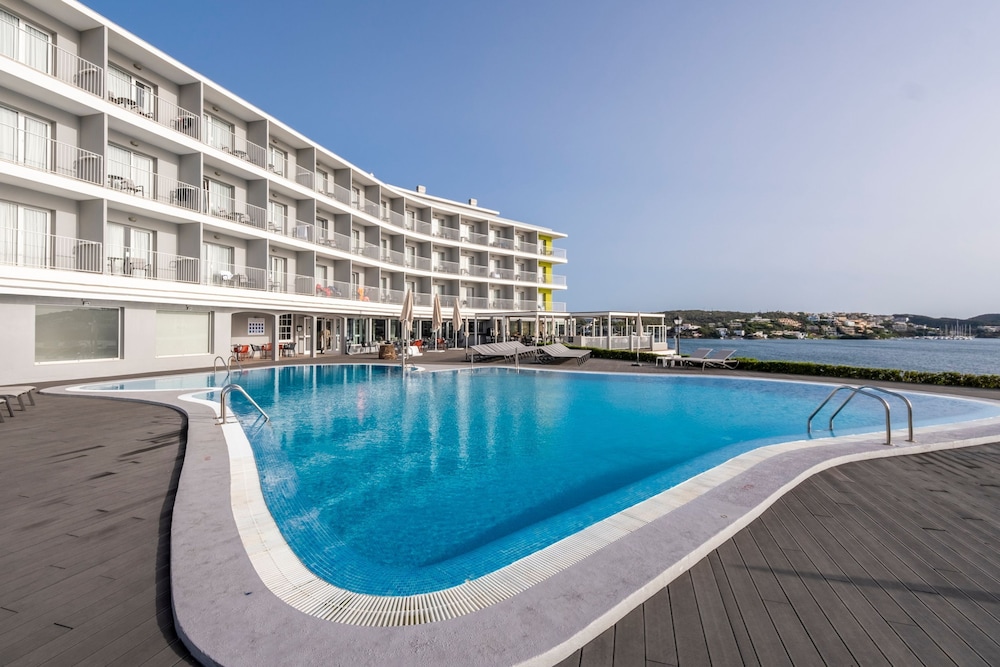
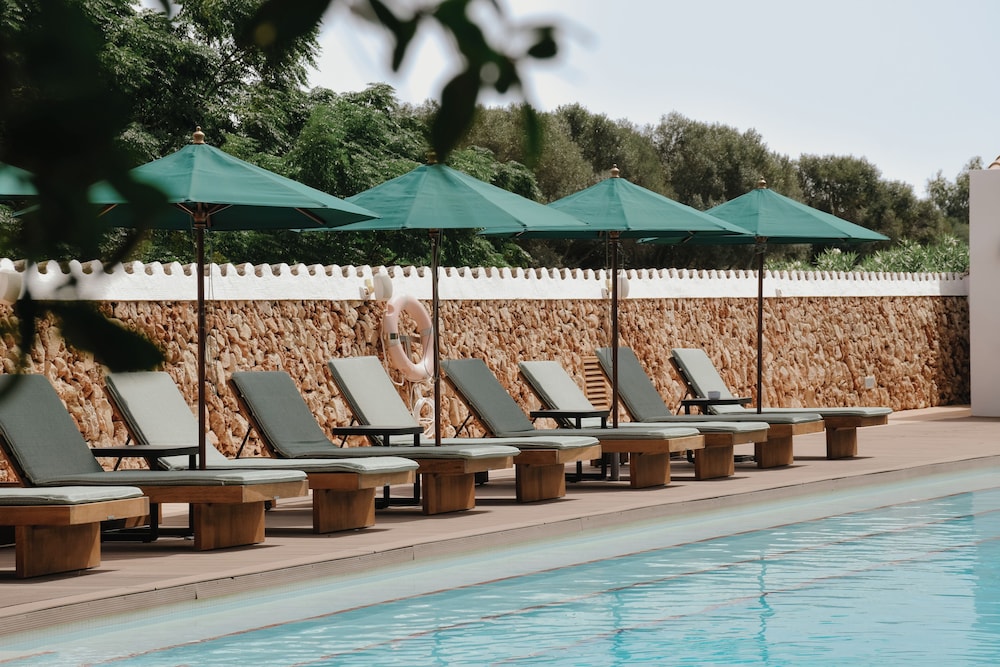
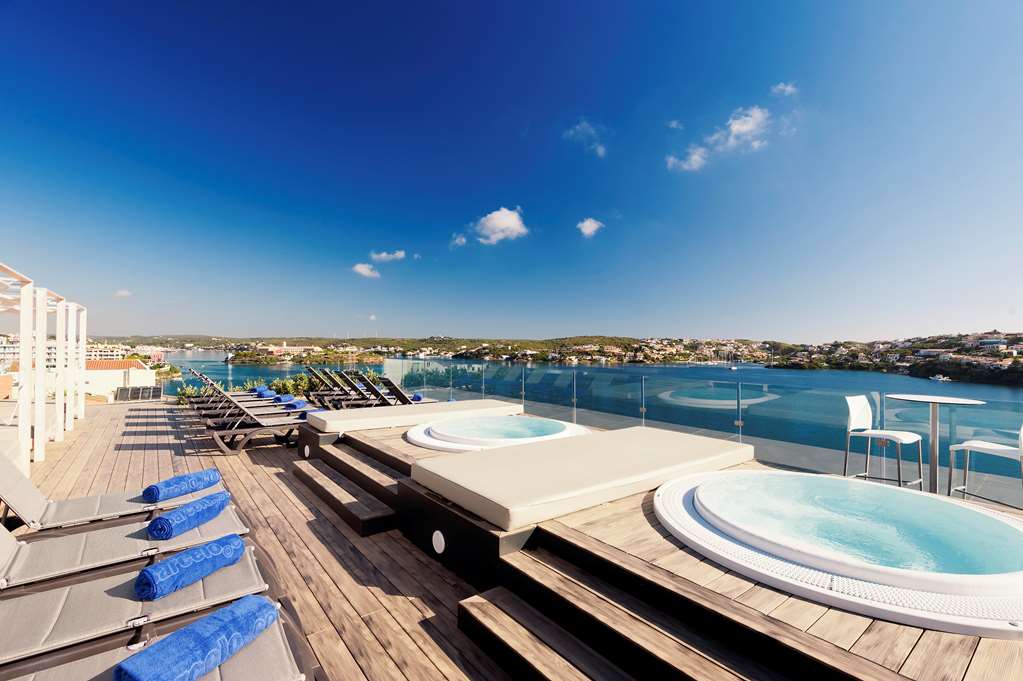
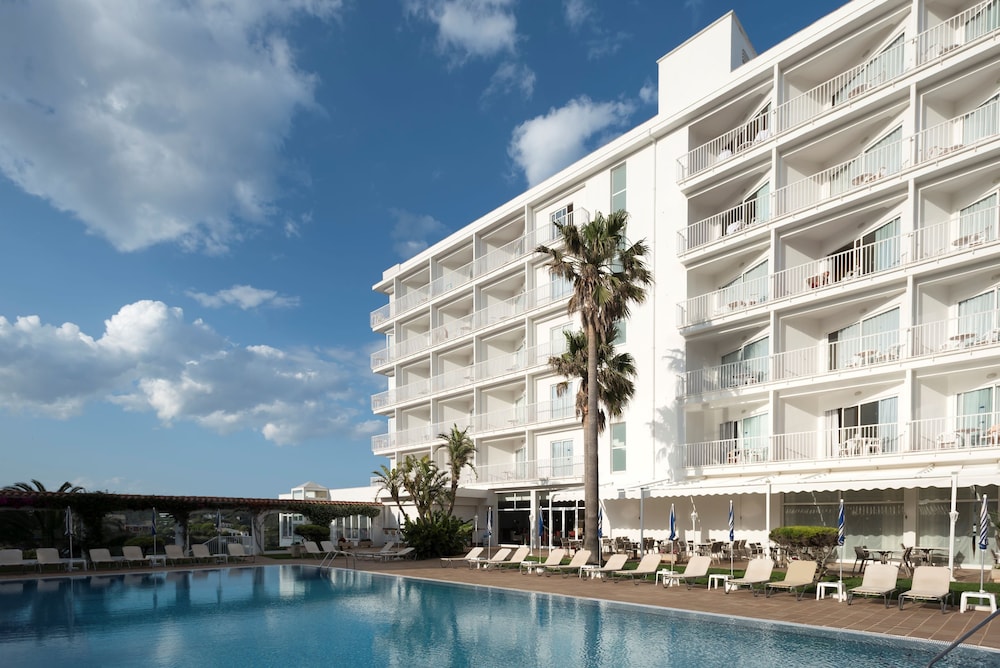
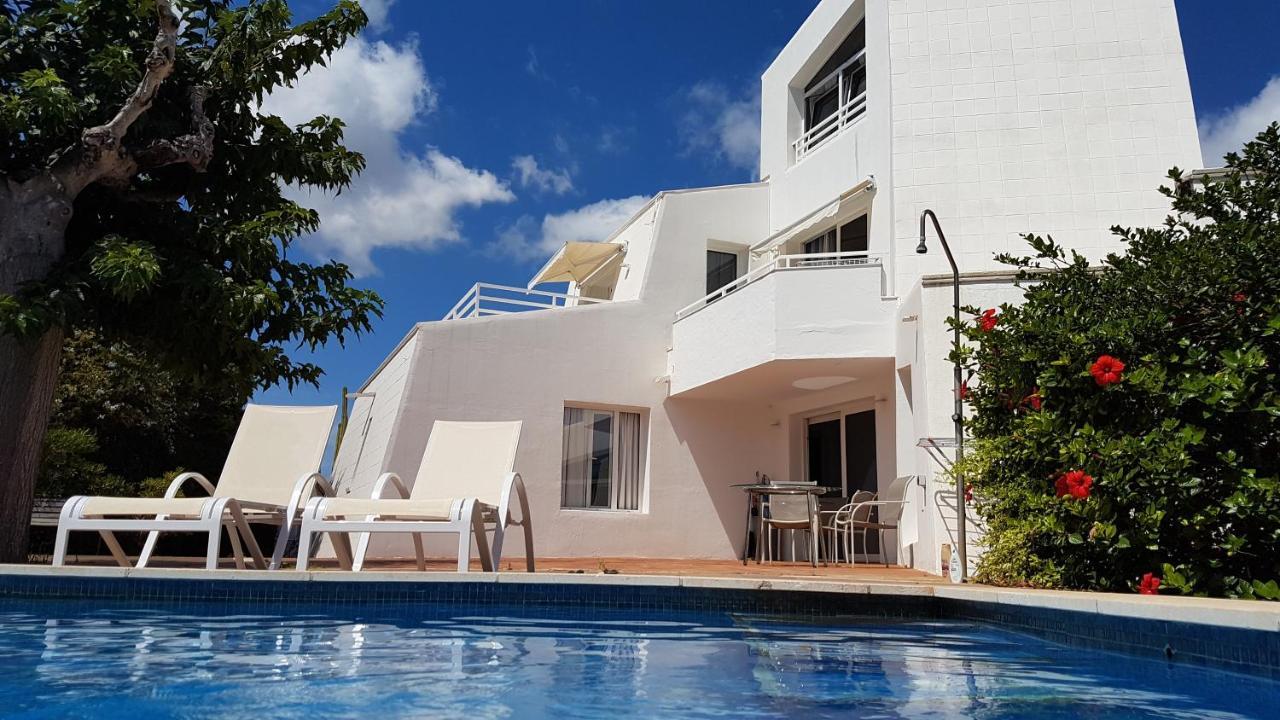
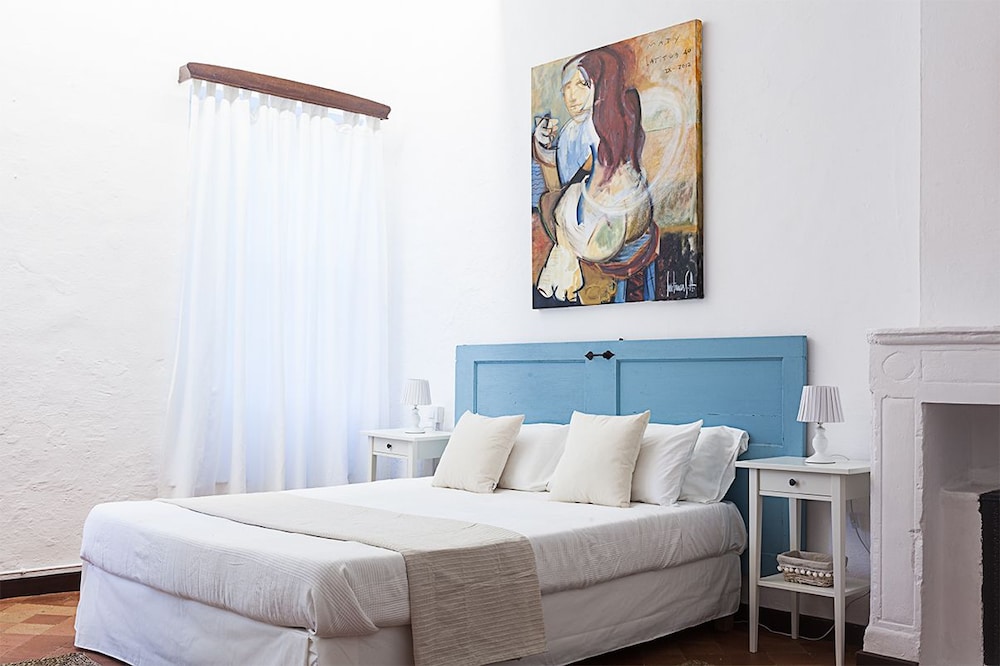
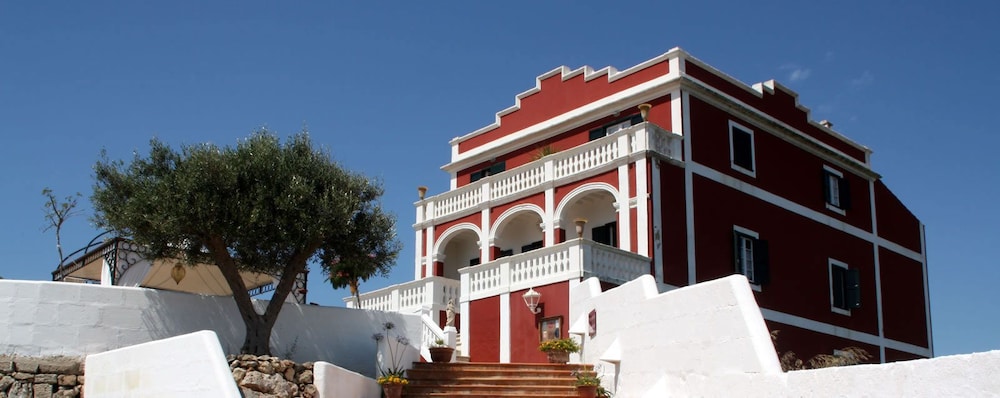
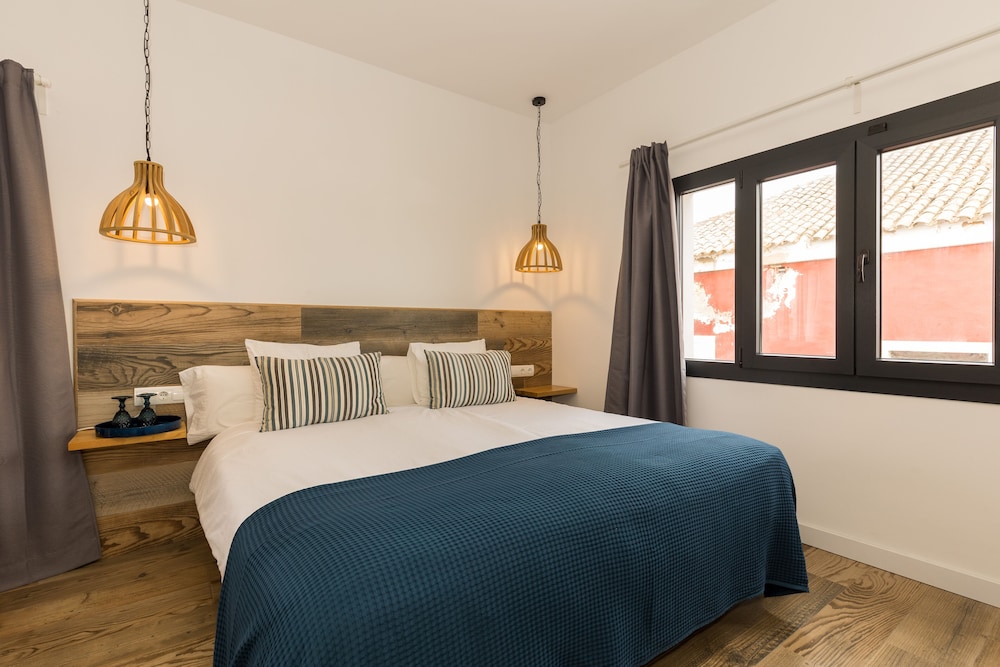
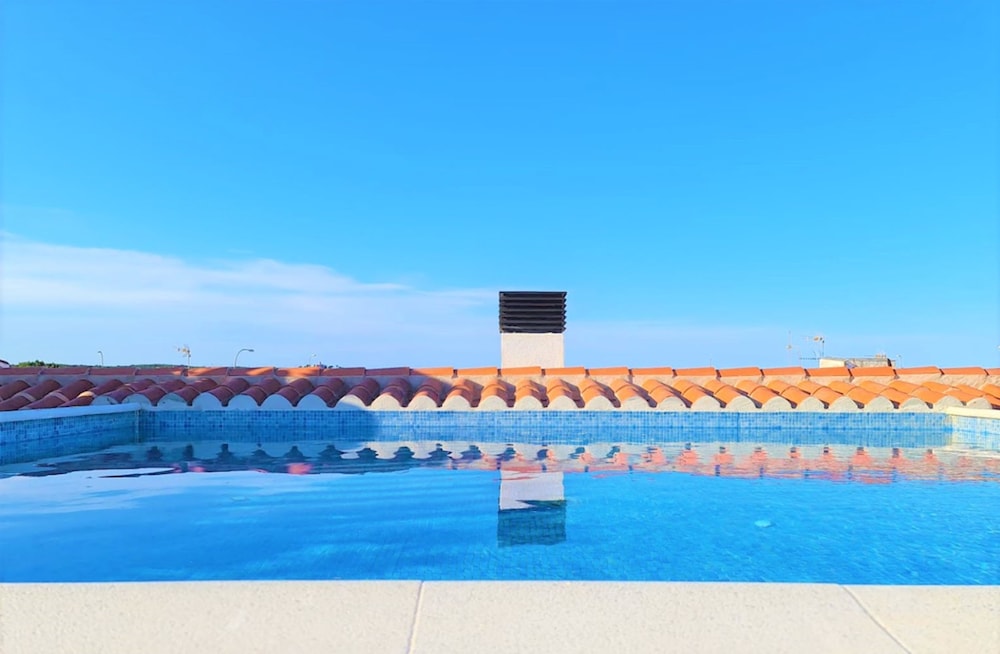
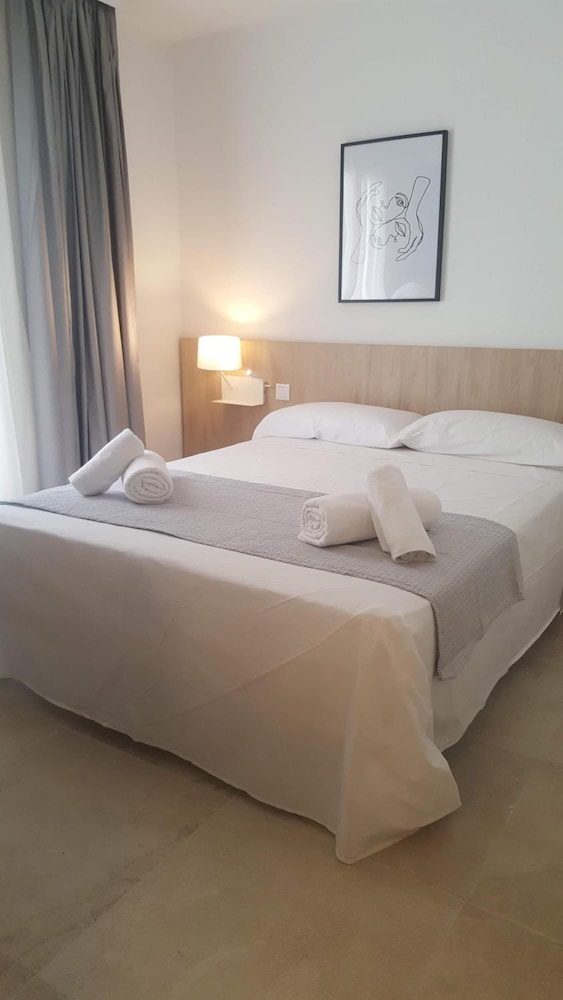
Stays in Es Castell: the first 12 of 14 stays in the IMPT hotel database in or close to Es Castell, five-star first, then four-star, then by guest score. Each button opens live prices for your dates in the IMPT app.
About 6.3 km in a straight line. By road the transfer is short, either through Maó or round by Sant Lluís, and taxis wait at the terminal. Buses run between the airport and Maó, where you change for Es Castell; check the island bus operator for current times, which change with the season.
Is Es Castell a good base for a first visit to Menorca?
Yes, if you want a town rather than a resort and plan to hire a car. It puts the airport, Maó, Sant Lluís and the south-east coast within easy reach, and the harbour gives you somewhere to walk in the evening. It is less good for a holiday built around a beach at the door.
Which beaches are closest to Es Castell?
Sa Mesquida, just north of the harbour mouth, and Cala de Sant Esteve, south of the entrance, are the nearest. Both are small and reached by road or on foot along the lanes. For longer sand and more facilities, the south coast coves beyond Sant Lluís are a short drive away.
Can you walk from Es Castell into Maó?
A road follows the harbour between the two, and the bus is quicker and safer in traffic. The Camí de Cavalls follows this stretch of coast for walkers who want a longer route on foot. Check the bus timetable at either end, as services thin outside summer and stop earlier in the evening.
What can you see in Es Castell itself?
The centre is small: a square, a church, streets of Georgian-influenced houses and a waterfront with small boats. Above the harbour mouth are the ruins of the fortress of Sant Felip, with paths and information panels. An hour or two covers the town; the rest of the day belongs to the coves or to Maó.
Do you need a car in Es Castell?
Not for the town, which is small and walkable, and not for Maó, which buses serve. A car helps for the beaches, Sant Lluís, Binibeca Vell and the rest of the island. Parking in the centre is limited, so check with your accommodation about where to leave a car.
What closes in Es Castell outside the season?
Much of the tourist economy closes roughly from November to April: seasonal restaurants, boat trips, some hotels and summer bus services. Es Castell itself stays lived-in, since it is a residential town beside Maó, and the main shops and year-round restaurants keep going. Do not assume a favourite place will be open in January.
Is Es Castell quiet in the evenings?
Yes. Evenings centre on the waterfront and a meal, and the streets empty early. The town has no club strip; anyone wanting a later night goes into Maó, a short ride up the harbour. In summer the promenade is busier, but the mood stays calm compared with the south coast resorts.
How do you get from Es Castell to Sant Lluís and Binibeca Vell?
By road, south through the lanes: Sant Lluís is a small village a short drive inland, and Binibeca Vell lies beyond it on the south coast. Buses connect the area in summer, with fewer services out of season. A bicycle works on the lanes, though traffic and heat make a car easier in July and August.
Photo credits: Jorge Franganillo, CC BY 2.0, via Wikimedia Commons; Markus Trienke, CC BY-SA 2.0, via Wikimedia Commons; MontanNito, CC BY-SA 3.0, via Wikimedia Commons.
Watch
Menorca
Menorca's coast in three scenes, ending with sunset at Fornells.
Captions are built in; the transcript is on the Menorca page.
Video: Raymond Petrik, Angelo Esposito, Agusti Perez on Pexels