An inland municipality with a working town, drystone fields and a coast of pines and coves. Ferreries is where Menorca keeps its everyday life, and Cala Galdana is its front door to the sea.
35stays in the IMPT hotel database
1area guide
Menorcaisland
Ferreries is the municipality at the centre of Menorca, an inland town with farmland around it and a short, steep coast to the south. It is not a resort, and that is the point: you stay here for a working Menorcan town, for the camí de cavalls and the coves below, and for a base that stays open when the coast closes.
01
The middle of the island
Ferreries is one of Menorca's municipalities, and the one that feels least like a holiday address. It takes in an inland town, a ring of farmland and a stretch of the south coast, and the main road between Maó and Ciutadella runs through it. Most drivers notice a junction, a few white houses and a church tower, then keep going. The town is worth more than that: a working place, kept busy by the farms around it and by people who live there all year.
That position explains the character. There is no marina here, no seafront promenade, no long strip of seasonal development. The coast is a ravine-and-cliff affair, reached by one road down to Cala Galdana or on foot along the camí de cavalls. Inland, the land runs to fields, drystone walls and holm oak, with the island's central hills to the north and the gorge of the Barranc d'Algendar cutting south toward the sea.
Ferreries is also a practical base. From the town you can reach the north coast, the southern coves, Maó and Ciutadella without crossing the island twice, and the roads are quiet outside July and August. Because the town lives here in winter too, you can come in March or November and still find a bakery open, a café with people in it and a path along the cliffs.
There is no marina here, no seafront promenade, no long strip of seasonal development.
02
The town itself
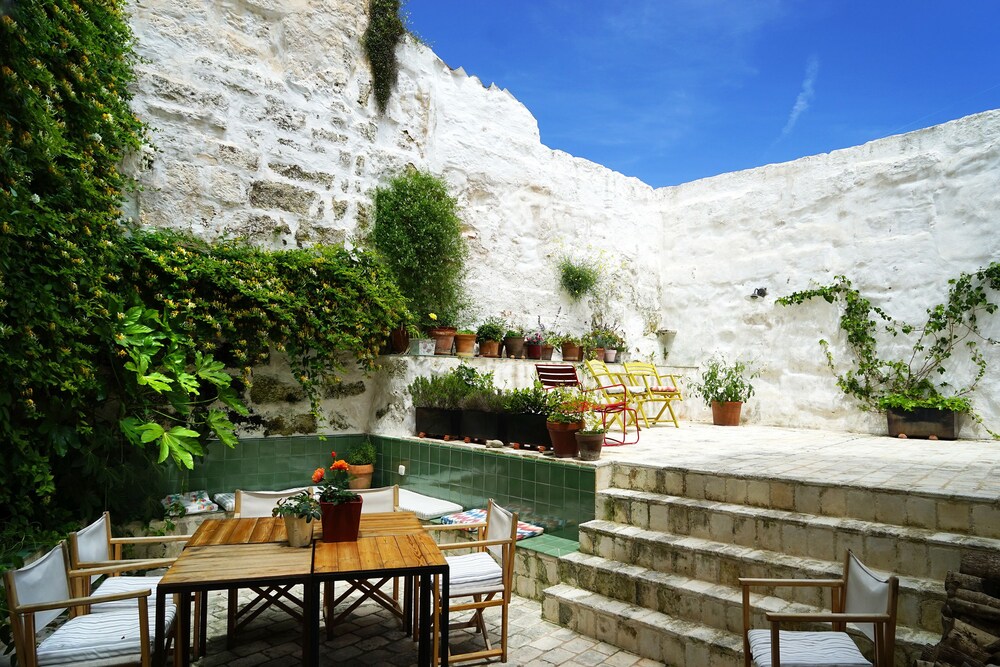
The name of the town is generally linked to iron, to the forges that once worked metal in this part of the island. Whatever the origin, the shape of the place is clear. A parish church, a small square, narrow streets of stone and plaster, and houses that grew as families did. It reads as a town built around work and roads rather than views, which is part of why it feels like Menorca rather than a resort.
Day to day the centre covers what a stay needs: shops, bakeries, a pharmacy and cafés where the coffee is short and the conversation local. A weekly market brings produce and cheese into the streets. Market days change from year to year, so confirm the current day with the Ajuntament de Ferreries rather than trusting an old sign. Out of season the town keeps going; it does not empty in November.
Cala Mitjaneta, Ferreries, Menorca03
The coast below
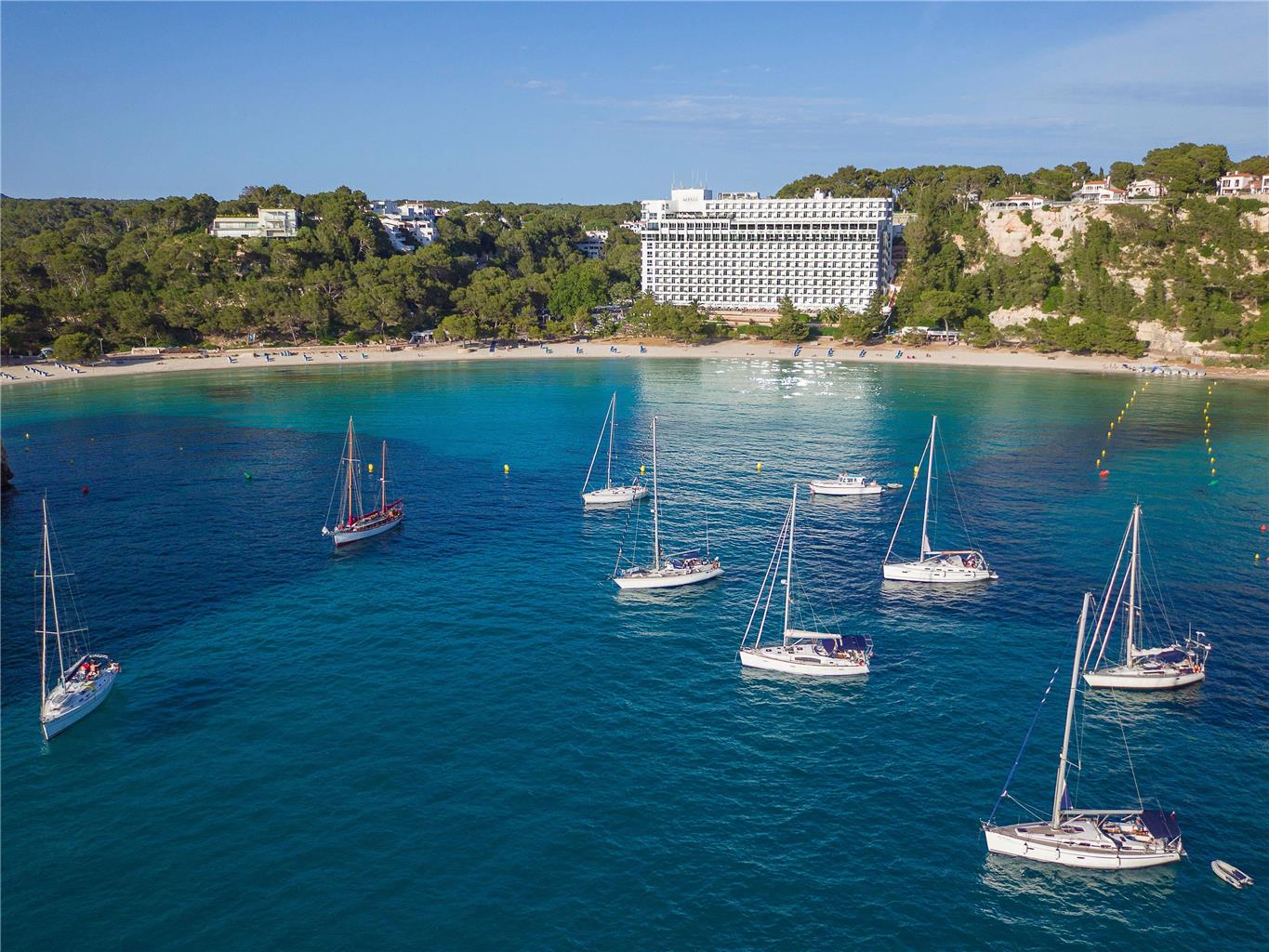
Cala Galdana has its own guide on this site: the sandy inlet at the mouth of the Algendar gorge, shallow water, pines behind, and the easiest road access of any beach in the municipality. It is also the one place on this coast where you can park near the sand. West of it the coast turns wilder, and the coves are reached on foot.
Cala Mitjana and Cala Trebalúger sit along the camí de cavalls, through pine and scrub, with no buildings behind the sand. The water is clear and shelves gently. The walk keeps numbers down without making either cove remote: both are a walk from Cala Galdana rather than a drive. Carry water, wear shoes with grip for the rocky stretches, and allow more time on the return climb than on the way down.
Cala GaldanaSand, shallow water and road access; the busiest and easiest of the municipality's beaches.
Cala MitjanaA pine-backed cove a short walk from the Cala Galdana side, with no buildings behind the sand.
Cala TrebalúgerFurther west along the camí de cavalls, reached only on foot, quieter than its neighbours.
Coast pathThe camí de cavalls links the coves here and continues round the rest of the island.
04
Nature and protected land
Menorca has been a UNESCO Biosphere Reserve since 1993, and the designation covers the whole island rather than a fenced enclosure. In Ferreries that shows in the ordinary use of the land: fields bounded by drystone walls, grazing, holm oak on the slopes, and building kept low and inside the towns. The reserve is not a park you visit and leave. It is the working landscape you drive through, walk over and buy food from.
The sea is part of it. Posidonia oceanica, the flowering seagrass that only grows in the Mediterranean, forms meadows off the south coast, and anchoring over them is regulated by a Balearic decree, with mooring buoys installed in some bays in summer. Where the cliffs run, the ravines hold shade and birds. None of this needs special effort from a visitor: keep to paths, take litter away, and leave the rock and the plants where they are.
Protect itDo not anchor over the posidonia meadows, and use the buoys where they are installed. Take litter off the coves and stay on the marked path where the scrub is fenced.
05
Stone and history
Talayotic Menorca joined the World Heritage list in 2023, and the prehistoric stone of the island is not confined to one site. Talaiots, taules and navetes stand in fields across Menorca, including the farmland around Ferreries, often beside a wall or a track with no ticket office and no interpretation board. Treat them as you would any old building in a working field: look, photograph, close gates, and do not climb on the stones.
The camí de cavalls is the other long piece of history here: a bridleway round the whole coast, about 185 km in 20 stages, waymarked as the GR 223. Its stretch below Ferreries links the coves and gives the municipality its best walking. Further inland, the lanes and walls are older than they look, and a walk between town and coast passes old gates, terraces and the remains of lime kilns that farming left behind.
06
Food, markets and the working year
The interior of Menorca feeds the coast, and Ferreries sits in the middle of that arrangement. Mahón-Menorca cheese carries a protected designation of origin and comes from the island's dairy farms; the inland towns are also where you find vegetables, cold meats, pastry and the everyday bread that the summer trade rarely mentions. The British years left a taste for gin, still made on the island, and the lobster stew called caldereta is a Menorcan dish rather than a hotel one.
Buying direct is easy in the town. The weekly market is the place for cheese, produce and preserves, and the shops around the square cover the rest of the week. Market days are set locally and change, so check with the Ajuntament de Ferreries. In winter the selection narrows and some places shut for weeks at a time, but the town's food shops serve the people who live here, not only the season.
The resort bay of Cala Galdana in Ferreries, Menorca07
Getting there and around
The straight-line distance from Menorca Airport (MAH) to Ferreries is given on this page. The road route runs from the airport to Maó and then west along the main road, and the town is signed from that road. Journey times depend on traffic and on where in the municipality you are heading, so allow for the summer volume rather than trusting a fixed figure. Arriving late is simpler with your own transport.
Buses on the island are run by the island operator, with services linking Ferreries to Maó and Ciutadella and seasonal services toward the coast; timetables change with the month, so check before you plan a day. By bike, the minor roads and lanes cross the municipality in short, steady climbs. On foot, the camí de cavalls is the way along the coast, and it is the reason many people stay here at all.
By carThe simplest way to reach the town and the coves; parking at Cala Galdana fills in high summer.
By busIsland services link Ferreries with Maó and Ciutadella, with seasonal services to the coast.
By bikeMinor roads and lanes cross the municipality in short, steady climbs between fields.
On footThe camí de cavalls follows the coast below, linking the coves in both directions.
Check before you goBus timetables, seasonal coast services and parking at Cala Galdana all change with the month. Confirm with the island bus operator and the Consell Insular de Menorca before relying on them.
08
Who should stay here
Ferreries suits people who want Menorca rather than a resort. Walkers use it for the camí de cavalls and the coves below; families use it for Cala Galdana and the drive to everything else; off-season visitors use it because the town is alive when the coast is shut. Anyone who wants a sea view from the bed and dinner downstairs should look at the coast instead, in summer only.
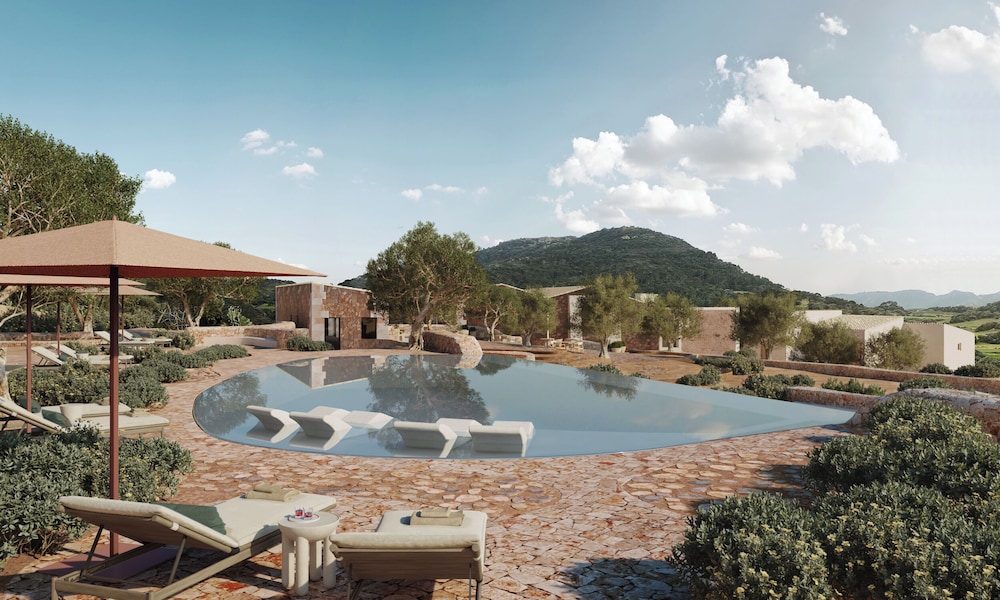
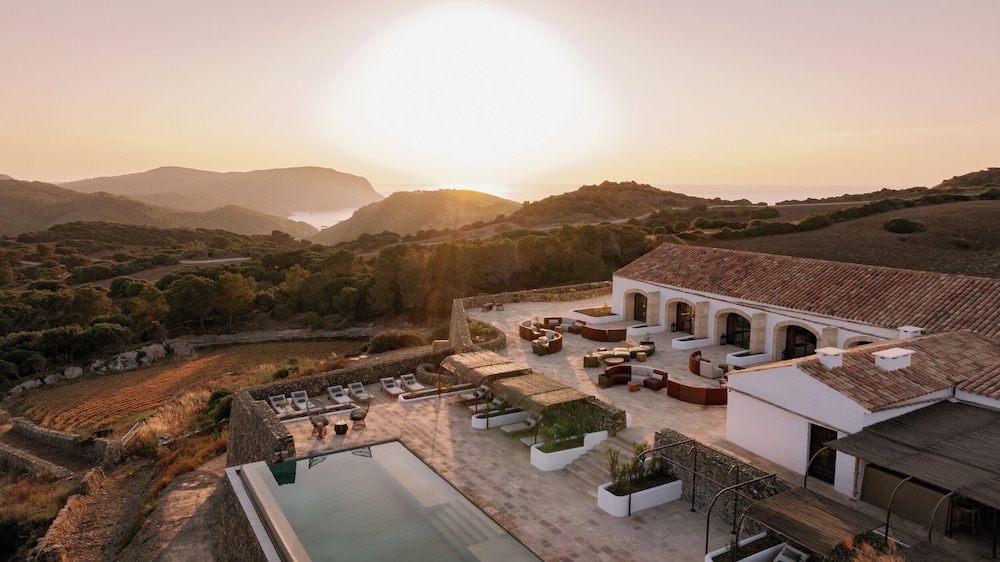
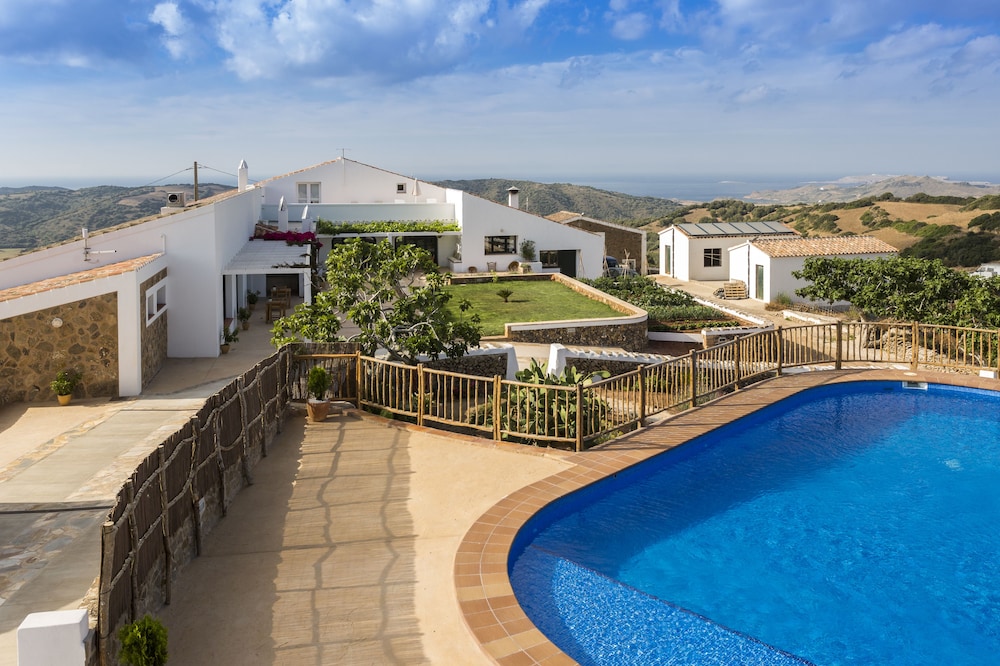
The choice inside the municipality is simple. The town gives you year-round life, shops and the coast within reach by road. The lanes around it hold rural stays on working land, where the quiet is genuine and a car is useful. Cala Galdana gives you the beach at the door in season and very little in January. The IMPT hotel database lists 35 stays in the municipality, spread across those three options.
09
When to go and what closes
Much of Menorca's tourism business closes roughly from November to April, and the coast of Ferreries follows that pattern: the Cala Galdana end winds down, seasonal services stop, and the coves are reached on foot with no one else on the path. The town itself stays open, with shops, cafés and the market serving the people who live there. Spring and autumn give the best combination of warm sea, open paths and quiet roads.
Sea temperature is a fair guide to what to expect. It is typically about 14 to 15 °C in February and March, 18 to 19 °C in May, 22 to 23 °C in June, 25 to 26 °C in August and 23 to 25 °C in September. These are typical figures, not a forecast. The Balearic sustainable tourism tax is charged per person per night by the accommodation, at rates that vary with category and season; check the Govern de les Illes Balears for current rules.
SpringMay and June bring warm water and long light, with the coast path at its best.
High summerAugust is the busiest month on this coast; the Cala Galdana end fills first.
AutumnSeptember and October keep the sea warm and empty the coves again.
WinterThe town keeps working while the coast closes and the paths are quiet.
Stays in Ferreries: the first 9 of 35 stays in the IMPT hotel database in or close to Ferreries, five-star first, then four-star, then by guest score. Each button opens live prices for your dates in the IMPT app.
Ferreries sits in the centre of Menorca, inland from the south coast, with Es Mercadal to the north and Ciutadella to the west. The main road between Maó and Ciutadella runs through the municipality, and the road down to Cala Galdana branches south from it. The municipality also holds a stretch of coast with Cala Mitjana and Cala Trebalúger.
Is Ferreries a good base for a Menorca holiday?
Yes, if you want a working town rather than a resort. The position in the middle of the island shortens every drive, the roads are quiet outside high summer, and the town keeps shops and cafés open through the winter. You need a car, a bike or patience with buses for the beaches, since the coves are reached by road to Cala Galdana or on foot.
How far is Ferreries from Menorca Airport?
The straight-line distance from Menorca Airport (MAH) to Ferreries is shown on this page. By road the route runs from the airport to Maó and then west along the main road, and the time depends on traffic and the season. Check current conditions rather than relying on a fixed figure.
Which beaches are in the municipality of Ferreries?
Cala Galdana is the main one, with road access, sand and shallow water at the mouth of the Algendar gorge. West of it, Cala Mitjana and Cala Trebalúger are reached on foot along the camí de cavalls, and neither has buildings behind the beach. Smaller inlets lie further along the same path.
Can you reach the coves below Ferreries on foot?
You can. The camí de cavalls runs along this coast and links Cala Galdana with Cala Mitjana and Cala Trebalúger, and the paths are waymarked. Wear shoes with grip, carry water, and allow more time for the climb back than for the descent. Paths are rough in places and shade is limited on the exposed stretches.
Do buses run to Ferreries and Cala Galdana?
The island bus operator runs services linking Ferreries with Maó and Ciutadella, and seasonal services run toward the coast in summer. Timetables change with the month and the year, and some coastal services stop outside the season. Check the current timetable with the operator before you plan a day around it.
Is Ferreries open outside the summer season?
The town is, yes. Shops, cafés, the pharmacy and the market serve people who live there all year, so Ferreries does not shut in November. The coast is different: the Cala Galdana end winds down roughly from November to April, and seasonal services stop. Spring and autumn give the best of both.
What is there to see in Ferreries itself?
The centre is small and best walked: the parish church, the square, the narrow streets of stone and plaster, and the weekly market when it is on. Around the town, talayotic stones stand in the fields and the Barranc d'Algendar cuts south toward the sea. Market days change, so confirm with the Ajuntament de Ferreries.
Is Cala Galdana part of Ferreries?
Yes, Cala Galdana lies within the municipality and has its own guide on this site. It is the one beach here with road access, and it carries most of the municipality's summer accommodation. The rest of the Ferreries coast is coves reached on foot, which is why the two ends of the same shoreline feel so different.