Menorca's harbour mouth has a town behind it: Georgian windows, small inlets, old fortifications and a working year that does not stop in November.
17stays in the IMPT hotel database
1area guide
Menorcaisland
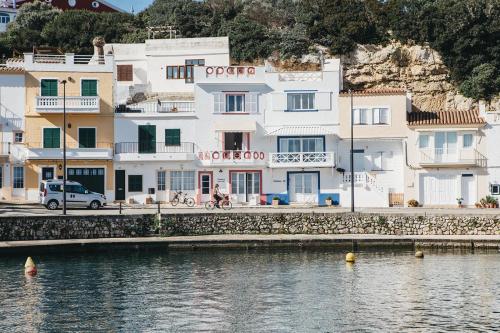
Es Castell is a municipality at the mouth of Maó harbour, on Menorca's east coast, and it is the island's most plainly British place: a barracks town laid out in the 18th century, with Georgian windows and a gin tradition. It is residential, compact and open all year, which is not true of much of Menorca.
01
A town at the harbour mouth
Es Castell is the municipality at the seaward end of Maó harbour, and it differs from much of Menorca in one plain way: it is a working town rather than a resort. Low houses, a long naval and military history and a resident population that stays through the winter give it a rhythm of its own. Maó lies up the harbour; Es Castell faces the open sea at the entrance. The result is a place that feels inhabited in February as well as in August.
The town itself has a guide of its own on this site. The Es Castell town page follows the streets from the water uphill, through the barracks grid, past the Georgian windows and the small squares, and covers the waterside quarters below. Use this page for the municipality as a whole: its coast, its history and how to reach it. The two pages are meant to be read together, and neither repeats the other.
02
Towns and villages
The municipality is small and compact. Almost all of it is the town of Es Castell, which spreads inland from the harbour mouth, plus the small waterside quarters at Cales Fonts and Cala Corb and a scatter of residential lanes toward the Sant Lluís boundary. Villages in the rural sense do not exist here; this is the urban end of Menorca, and it looks it. Houses are tall and narrow, packed close to the street.
Cales Fonts is the pocket harbour below the town, a narrow inlet of quays and fishing boats where people go in the evening to sit and eat. Cala Corb is smaller and quieter still. Above them, the town's grid runs up to the main road, with the everyday shops, the school and the health centre that a resident population needs. Beyond the last street, low cliffs and the coast path take over.
Es Castell townThe centre, with the barracks grid, the church square and the everyday shops that stay open all year.
Cales FontsThe small inlet below the town, with quays, boats and places to eat in the warmer months.
Cala CorbA smaller, quieter inlet on the same stretch of coast, good in the evening light.
The outskirtsResidential lanes and low walls on the road toward Sant Lluís, with sea views from the higher ground.
The coast at Binissaida, Es Castell, with La Mola beyond, Menorca03
Beaches and coves
There is no long beach in Es Castell. The coast here is rock, slipway and small inlet, and people swim from the platforms and steps cut into the stone at Cales Fonts and around the harbour mouth. Cala Sant Esteve is the nearest thing to a cove, a shallow inlet with a fort above it and calm water in most conditions. Water shoes help on the rocks, and the bottom shelves quickly.
For sand, look to the neighbouring municipality of Sant Lluís, where the south-east coast has family coves within a short drive. Further afield, the long beaches and the wilder coves of the south and west take longer to reach. Es Castell is a base for swimming and boating rather than for a day under an umbrella at the door. The harbour mouth is busy with boats in summer, and swimming from the town quays is easy and popular.
Cala Sant EsteveA shallow inlet with a fort above it, calm in most conditions and easy to enter.
Cales FontsSteps and platforms cut into the rock, with deep water close in.
Town quaysEasy swimming from the harbour walls, best early in the morning.
South-east covesSand in neighbouring Sant Lluís, a short drive away, busier in August.
04
Nature and protected land
The whole of Menorca is a UNESCO Biosphere Reserve, declared in 1993, so the protection here is not confined to a fenced park. Es Castell's share of it is marine and coastal: the harbour mouth, the rocky shore, the seabirds that work the entrance and the posidonia meadows offshore. The natural park at S'Albufera des Grau lies on the other side of the island. From the coast path the water changes colour over the meadows.
Posidonia oceanica is the seagrass that keeps the water clear and the sand white, and it grows from the shallows to about 30 or 40 m. Anchoring over the meadows is regulated by a Balearic decree, and summer mooring buoys are installed in some bays. On land, the small inlets and the old walls are as much a habitat as the water is. Dry stone walls run between the lanes and the sea, holding soil and shade for insects and lizards.
Protect itDo not anchor over the posidonia meadows, and take nothing from the rocks. The clear water at the harbour mouth is the reason the town looks the way it does.
05
Culture and history
Es Castell grew because of the harbour entrance and the fortifications that guarded it. Under British rule in the 18th century the settlement was laid out as a barracks town, and the Georgian windows, the straight streets and the gin tradition all date from that period. The fortifications above the water were rebuilt, taken and rebuilt again over the same century. Much older Menorca is present too, in the talayots and taules that give the island its stone-tower landscape.
The island's prehistoric monuments were added to the World Heritage list in 2023 as Talayotic Menorca, and the sites of the interior and the south are within reach for a day out. In town, the story is naval and domestic rather than monumental: the harbour, the warehouses turned into houses, the church square and the sea wall. Walk the grid in the evening and the 18th century is easy to read in the proportions of the houses.
The British left windows, a barracks grid and a taste for gin; the sea left the rest.
06
Food and markets
Fish is the first thing to eat here, landed at the harbour mouth and served plainly. Caldereta de llagosta, the Menorcan lobster stew, appears on menus across the island and belongs to this coast as much as any other. Mahón-Menorca cheese, which has a protected designation of origin, is on every market counter, and the gin distilled in Maó is a local habit rather than a novelty. Bakeries, greengrocers and small groceries in the town centre keep ordinary hours all year.
The public market in Maó is the nearest proper market, up the harbour, and it is a working one rather than a visitor attraction. Es Castell's own shopping is everyday: a butcher, a fish counter, a bakery, a few groceries. In summer the waterside quarters fill with tables; from November much of that closes and the town eats at home or in Maó. Ask what came in that morning; the answer is usually short and good.
FishLanded at the harbour mouth and best eaten plain, grilled or in a stew.
CalderetaThe Menorcan lobster stew, rich and slow, served in the ports and towns.
CheeseMahón-Menorca cheese has a protected designation of origin and comes young or cured.
GinThe British left a distilling habit in Maó, and it survives in the local gins.
Boats and waterfront houses at Cales Fonts, Es Castell, Menorca07
Getting there and around
Menorca Airport (MAH) sits a few kilometres south-west of Maó, and the straight-line distance from it to Es Castell is shown on this page. By road the route goes around the head of the harbour, through or past Maó, because water lies between the airport and the town. Buses connect Es Castell with Maó, and the airport has its own services; check the island bus operator. The town is compact enough to walk once you are in it.
The Camí de Cavalls, the coast path that circles Menorca in about 20 stages, follows the shore through the municipality on its way between Maó and the south-east. Walking a stage or two is a good way to see the harbour mouth from above. Parking in the town centre is limited and controlled in summer, so read the signs before leaving the car. Boats also work the harbour in season; check operators for timetables.
Check before you goBus timetables and harbour boat schedules change with the season, and parking rules are enforced in summer. Check the island bus operator and the local signs before you set out.
08
Who should stay here
Es Castell suits people who want a town rather than a resort, and who would rather walk to a quay than drive to a beach. It is good for sailors, for walkers on the coast path, for anyone using Maó for ferries or business, and for winter visitors who need somewhere that stays open. Families with small children may prefer sand at the door. Anyone wanting late nights will find more of them elsewhere on the island.
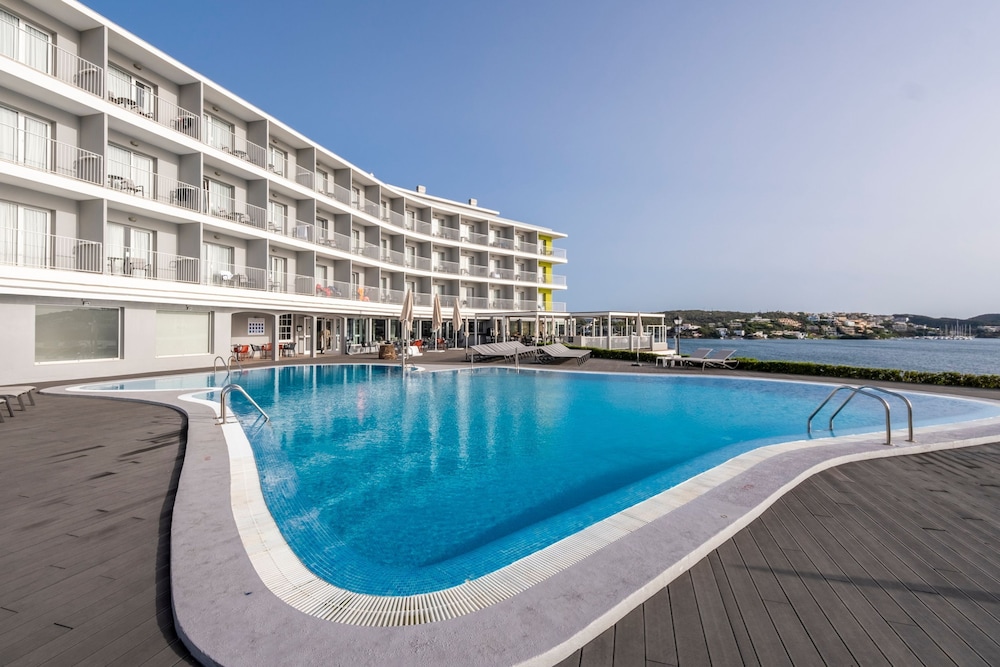
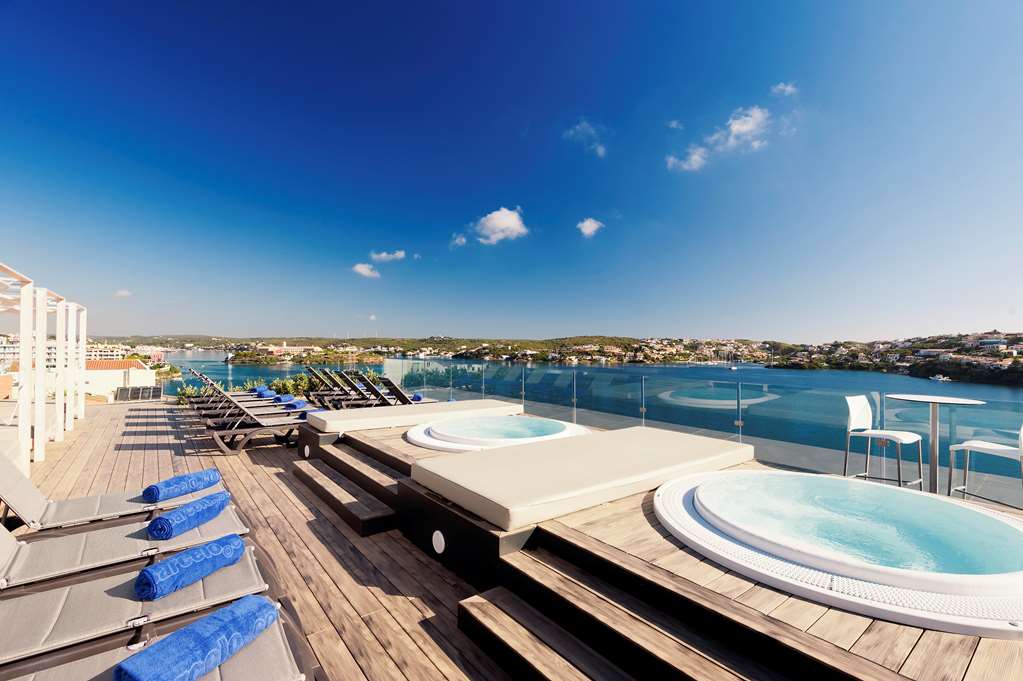
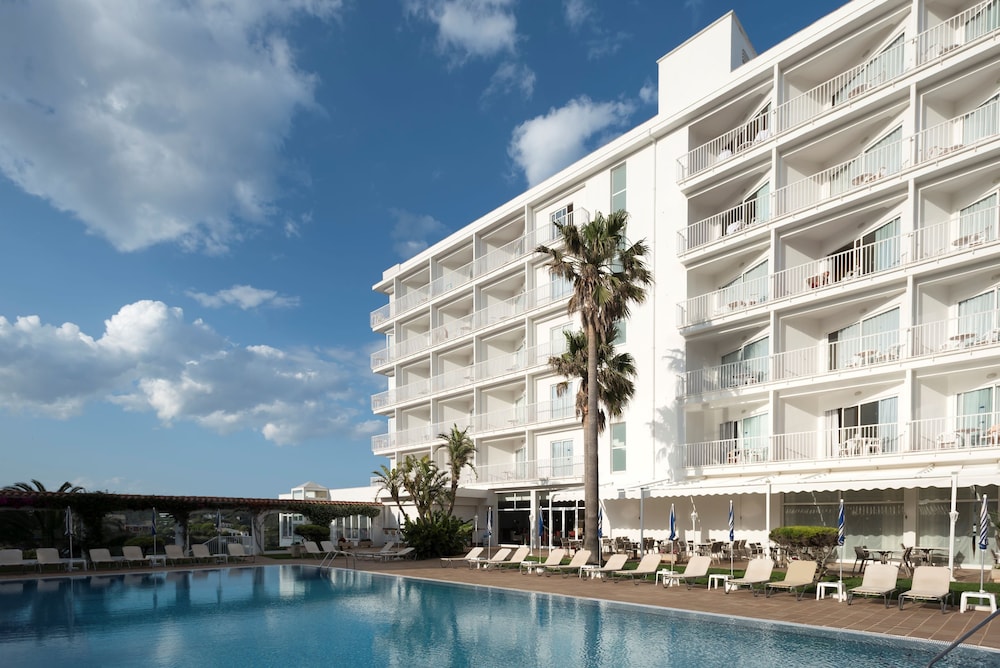
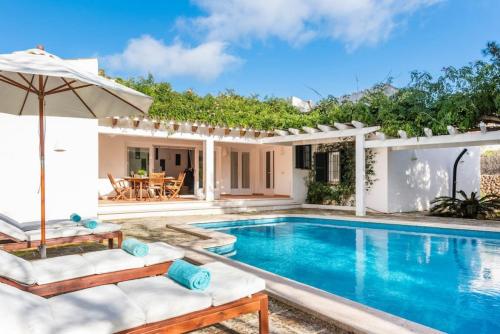
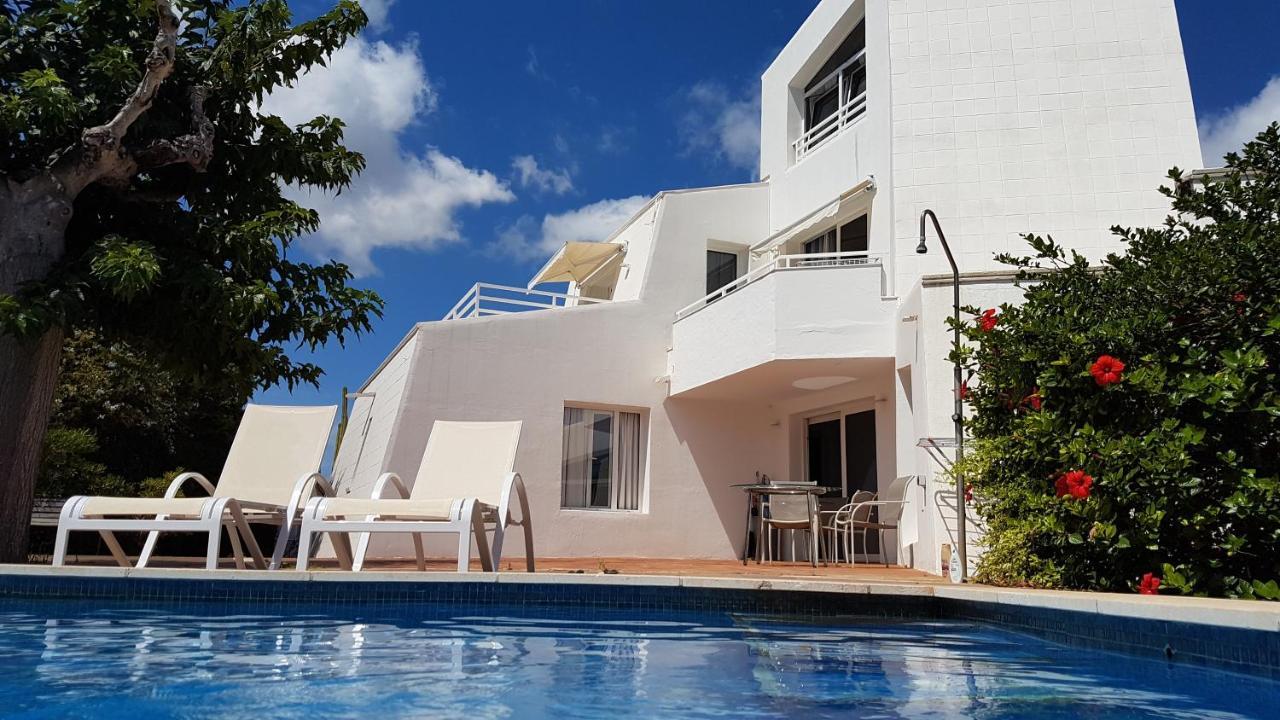
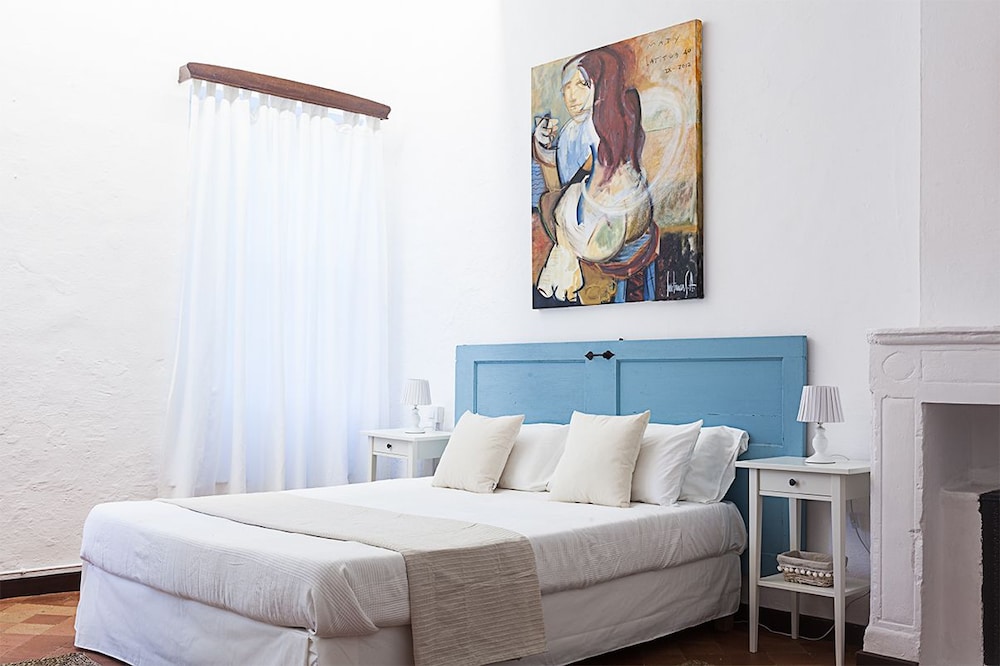
Places to stay are mostly in the town itself, in small hotels and rented houses rather than large complexes, with some apartments on the edges toward Sant Lluís. This site lists 17 stays in the municipality, from rooms in town houses to villas with pools on the lanes outside. Book early for June and September, two of the most popular months. Winter bookings are easy, and the town is quiet then.
09
When to go and what closes
May, June, September and early October are the pleasant months: warm sea, open businesses and room to move. August is hot and full. The sea is about 18-19 °C in May, 22-23 °C in June, 25-26 °C in August and 23-25 °C in September, which is why the season stretches either side of high summer. February and March are cool, about 14-15 °C, and belong to walkers and residents.
From roughly November to April many hotels, beach bars, boat trips and seasonal restaurants close, and buses run less often. Es Castell is better placed than most resorts because it is a working town: the bakery, the groceries, the school and the year-round life continue. Maó, up the harbour, stays open all year and has the ferries, the market and the winter evenings. Nothing here guarantees winter opening, so confirm before you travel.
Stays in Es Castell: the first 9 of 17 stays in the IMPT hotel database in or close to Es Castell, five-star first, then four-star, then by guest score. Each button opens live prices for your dates in the IMPT app.
Es Castell is a municipality on the east side of Menorca, at the mouth of Maó harbour, where the harbour opens to the sea. It borders Maó and Sant Lluís, and its coast is rock, inlet and harbour wall rather than long beach. The town sits on the southern side of the entrance.
Do you need a car for Es Castell?
Not for the town, which is small enough to walk, and not for Maó, which is up the harbour and served by buses. A car helps for the south-east coves, the interior and the north coast, and it is worth checking parking rules in summer, when the centre is busiest.
Are there beaches in Es Castell?
There is no long sandy beach in the municipality. People swim from rocks, steps and slipways around the harbour mouth and at Cala Sant Esteve, a shallow inlet with a fort above it. For sand, the coves of neighbouring Sant Lluís are the nearest, and the south and west coasts have the bigger beaches.
Is Es Castell open out of season?
Largely yes. It is a working town, so the bakery, groceries and everyday services continue through the winter, and Maó up the harbour stays open all year. What closes roughly from November to April are the seasonal restaurants, boat trips and some hotels, so confirm anything you are counting on before travelling.
How do you reach Es Castell from Menorca Airport?
Menorca Airport (MAH) is south-west of Maó, and the straight-line distance to Es Castell is shown on this page. By road the route goes around the head of the harbour, through or past Maó. Buses connect the town with Maó, and the airport has its own services; check the island bus operator.
Why does Es Castell look British?
Menorca was under British rule for most of the 18th century, and the settlement at the harbour entrance grew as a barracks town in that period. Georgian windows, straight streets and a gin tradition are the visible remains. The fortifications above the water were fought over and rebuilt more than once.
Does the Camí de Cavalls pass through Es Castell?
The coast path follows the shore through the municipality on its way between Maó and the south-east, so a stage or two can be walked from the town. The full route circles Menorca in about 20 stages. Check the current stage notes and waymarking before setting out, and carry water.
What should you eat in Es Castell?
Fish landed at the harbour mouth comes first, grilled plainly or in a caldereta de llagosta, the Menorcan lobster stew. Mahón-Menorca cheese, which has a protected designation of origin, appears on market counters, and the gin tradition that came with the British is still going in Maó.
Who is Es Castell best for?
It suits travellers who want a real town near Maó: sailors, walkers, ferry passengers with an early crossing, and winter visitors who need somewhere that stays open. Families wanting sand at the door are better off on the south coast, and anyone after late nights will find more elsewhere on the island.