Cut into a hill just outside the old town, the Puig des Molins necropolis holds centuries of Phoenician and Punic graves. The museum below explains what was buried, and why.
All yearbest time
Ibiza Townnearest area to stay
5.9 kmfrom IBZ, straight line
Puig des Molins is the burial hill of ancient Ibiza, a short walk from Dalt Vila and the port, and one of the four parts of the island's UNESCO World Heritage Site. A museum at its foot and a hillside of rock-cut tombs make it the best place to understand who first settled Ibiza, and why the harbour mattered.
01
A hill of tombs
Puig des Molins is a low hill on the western edge of Ibiza Town, a short walk from the port and the walls of Dalt Vila. From the outside it looks like an ordinary rise with pines and scrub. Under the surface it is something else: a burial ground used for centuries by the Phoenicians, the Punic Carthaginians and later the Romans. The hill is part of the UNESCO World Heritage Site listed in 1999.
What you see is a worked landscape. The rock has been cut into shaft graves and chamber tombs, some reached by steps, some opening off small courtyards. Paths and walkways take you past the openings without entering them. Small finds, lamps, amulets, pottery and bones are in the museum at the foot of the hill, which explains the sequence of use and the people who buried their dead here over many centuries.
The hill is a map of a city's dead, cut chamber by chamber into soft rock.
02
The Phoenician island
Ibiza was a Phoenician foundation, and the cemetery is the clearest evidence of how early and how firmly the island was settled. The dead were buried outside the living town, on this hill facing the harbour, and the ground was in use across the centuries when the western Mediterranean was first a Phoenician and then a Carthaginian sea. The UNESCO listing of 1999 covers the cemetery with Dalt Vila, the Sa Caleta settlement and the posidonia meadows.
The museum sets out what the graves contained and what the objects say about trade. Ibiza sat on routes between the Levant, North Africa and the Iberian coast, and the finds reflect a port where goods and people arrived from far away. Glass, bronzes, imported pottery and locally made pieces appear side by side. The result is a picture of a small island tied closely to a much larger world, and the display cases are what make the hill legible.
A rock-cut Punic burial chamber at the Puig des Molins necropolis, Ibiza03
What you see
The visit has two parts and they belong together. At street level the museum holds the finds and the explanations, with plans of the hill and the different periods of burial. Above it, the archaeological area is open ground with marked routes between the tomb entrances. Go through the museum first if you can, because the labels make sense of what the hill actually is. Then walk up through the gate and follow the paths at your own pace.
The tombs themselves are cut into the soft limestone, and many are deep enough to need steps or a shaft. Some are simple graves, others are family chambers with niches and benches. What strikes most visitors is the number: the hill is porous with them, and new cuts appear wherever the ground is cleared. Walkways keep you above the openings, which protects both the rock and the visitor. Nothing here is reconstructed; the cut rock is the monument.
The museumStart here for the finds, the plans and the dates that make sense of the hill.
The pathsMarked routes cross the hillside between the tomb entrances; stay on them.
The tombsShaft graves and chamber tombs cut into the rock, seen from above rather than entered.
The shadePines and scrub give some cover, but the hill is exposed in the middle of the day.
04
How to get there
The hill stands inside Ibiza Town, on the western side, between the port area and the road out towards Sant Antoni. From Dalt Vila and the harbour it is a walk of a few minutes uphill. From other parts of town, local buses run close by, and the walk from the centre is short enough to make on foot. Taxis can drop you near the entrance. The exact stop and the current lines are best checked with the island bus operator.
If you arrive from the airport, the buses that serve Ibiza Town put you within walking distance of the centre, and the hill is a short climb from there. Drivers will find the area busy and the parking limited, so leaving the car near the port or outside the old town and walking is usually simpler. The site is close enough to Dalt Vila to combine the two in one outing. The climb is short but the surface is uneven.
On footFrom Dalt Vila or the port it is a short uphill walk along the edge of the old town.
By busLocal lines pass close to the hill; check current routes with the island bus operator.
By carParking near the centre is limited; leave the car near the port and walk up.
05
The best time to go
The site is open all year, and the island's climate makes the shoulder months the pleasantest. Spring and autumn give softer heat and clearer light on the cut rock, and the hill is quieter than in high summer. In July and August, go early in the morning or late in the afternoon. The ground is exposed, the stone throws heat back, and there is little shade on the upper paths. Midday in August is not the time for this hill.
Light matters here. The tombs are cut downwards, so the middle of the day is when the shafts are easiest to see into, while early and late light flatters the surface. If photography is the reason for the visit, the low sun of morning and evening is the better choice. If reading the site is the reason, take the museum first and the hill second, whatever the hour. The two are a few steps apart, so the order costs nothing.
Winter visits are possible and often rewarding, with the town quiet and the site almost empty. Opening hours are shorter outside the main season, and some facilities close altogether. The museum is the part to check, since the archaeological area follows the same calendar. The Consell d'Eivissa, which runs the island's museum service, publishes current times, and a look at the official information before setting out saves a wasted climb.
Punic terracotta figures from the Puig des Molins necropolis, Ibiza
Check before you goOpening days change with the season and are shorter in winter. Check current times with the Consell d'Eivissa before climbing the hill.
06
How to do it
Give the museum the first half of the visit. It is small, and the panels set out the sequence of burial, the trade goods and the way the cemetery was used and reused. With that in your head, the hill stops being a slope of holes and becomes a plan you can follow. Take the paths in whatever order suits, and pause at the points where the cut rock is clearest. The routes exist to keep feet off the fragile edges.
Combine the visit with Dalt Vila, which is a short walk away and the other half of the town's World Heritage listing. The two together explain how the living and the dead were arranged: the fortified town on its hill, the cemetery outside the walls, the harbour between them. The Sa Caleta settlement, further round the coast, completes the picture. A morning given to all three is a good use of a day in town.
07
Rules and care
This is an archaeological site, not a park. Stay on the marked routes, keep off the edges of the shafts and do not descend into tombs that are open. Nothing may be picked up or taken away, including small stones and fragments, which carry information even when they look like rubbish. Climbing on the cut rock damages surfaces that have survived two thousand years and will not survive a scrambling visitor.
Photography is normally allowed without flash in the museum, where light damages pigments and old glass, and freely on the hill. Tripods and drones are a different matter: ask at the desk rather than assume. Groups and guided visits should be arranged in advance with the museum service, since the site is small and the paths are narrow. Eating and drinking belong outside the archaeological area, and bins are limited, so take away what you bring.
The hill sits in a working town, so the ordinary courtesies apply. Keep voices low, shut gates behind you, and give way on the narrow paths. The site has no cafe and no shop, which is part of its character. Water is the thing to carry, especially in the hot months, and the island's supplies are limited, so a refillable bottle is better than a new one bought on the way.
Protect itTake nothing from the hill, not even a stone. The tombs and the objects are the record, and they only work as evidence if they stay in place.
08
What is nearby
The necropolis is inside Ibiza Town, so the rest of the day is easy. Dalt Vila is a short walk uphill: the Renaissance walls, the cathedral at the top and the streets between. The port and the marina lie below, with ferries to Formentera and the mainland and a waterfront that stays busy all year. The museum quarter around the hill also holds the town's archaeological collections, which continue the story the necropolis begins.
Beyond the town, the south of the island is close. Platja d'en Bossa and the long sand towards Ses Salines are a short ride away, and the salt pans and dunes beyond them are part of the same World Heritage listing. Sa Caleta, the Phoenician settlement on the coast to the west, is the third piece of the site and worth the detour. A car or a bus makes all of it possible in a day.
Dalt VilaThe walled old town, with the cathedral at the top, a short walk uphill.
The portFerries to Formentera and the mainland, and a waterfront that stays open all year.
Sa CaletaThe Phoenician settlement on the west coast, part of the same World Heritage listing.
Ses SalinesSalt pans, dunes and posidonia meadows on the route south towards the beaches.
Where to wake up
Stays near Puig des Molins necropolis
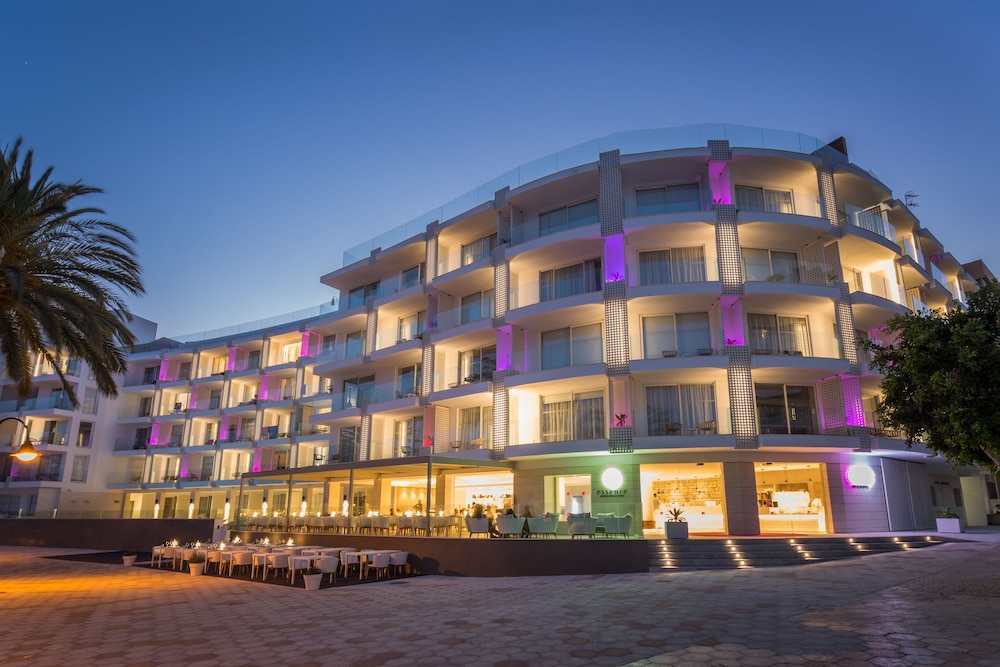
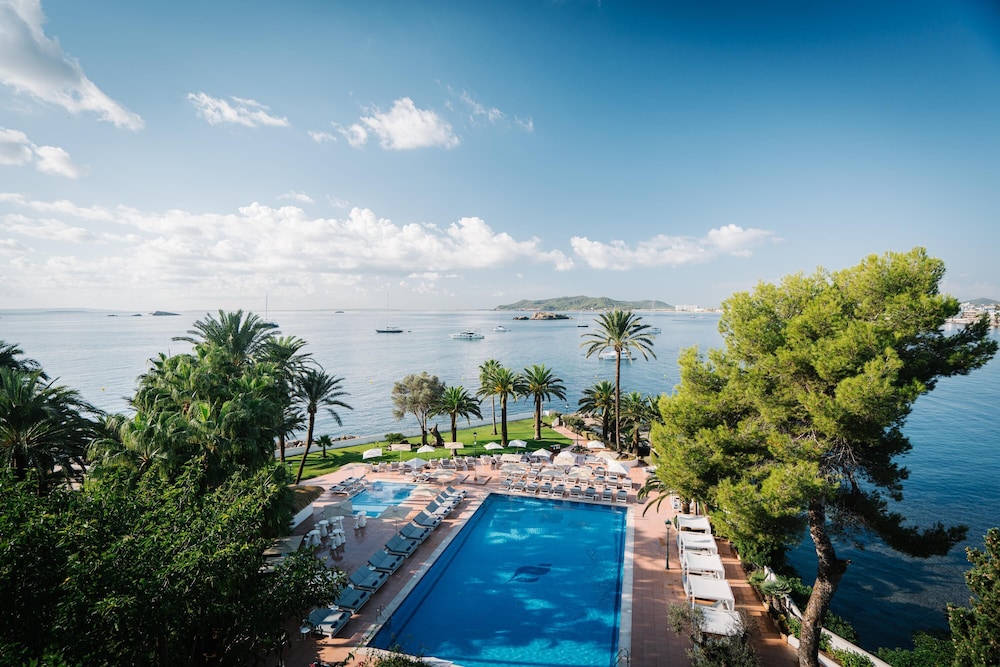
Stays near Puig des Molins necropolis: the first 6 of 74 stays in the IMPT hotel database in or close to Dalt Vila and Ibiza Town, the nearest area to Puig des Molins necropolis, five-star first, then four-star, then by guest score. Each button opens live prices for your dates in the IMPT app.
Puig des Molins is the ancient burial ground of Ibiza Town, a hill cut with Phoenician, Punic and Roman tombs and topped by a small museum. It is one of the four parts of the UNESCO World Heritage Site listed in 1999, alongside Dalt Vila, the Sa Caleta settlement and the posidonia meadows between Ibiza and Formentera.
Who was buried at Puig des Molins?
The cemetery served the town that stood below it, from the Phoenician period through the Punic centuries and into Roman times. The graves hold ordinary residents as well as richer burials with imported goods. The museum explains the different rites and the objects placed with the dead, which show a port community in close contact with the wider Mediterranean.
Where is Puig des Molins in Ibiza Town?
The hill stands on the western edge of Ibiza Town, between the port and the road out towards Sant Antoni, a short uphill walk from Dalt Vila and the harbour. It is inside the town rather than out in the countryside, so it fits easily into a day that also takes in the old town and the waterfront.
How do you get to Puig des Molins?
From Dalt Vila or the port the site is a few minutes on foot. Local buses pass close by, and the buses from the airport serve Ibiza Town, leaving a short walk to the hill. Parking in the centre is limited, so leaving the car near the port and walking is usually simpler. Check current routes with the island bus operator.
Is the Puig des Molins museum open all year?
The site is open all year, but hours shorten outside the main season and some facilities close. Many businesses on the island shut roughly from November to April, so winter visits need checking rather than assuming. The Consell d'Eivissa, which runs the museum service, publishes current opening times, and it is worth looking before climbing the hill.
Can you go inside the tombs at Puig des Molins?
The walkways take visitors above the tomb openings rather than into them, and that is deliberate: the shafts and chambers are fragile and the rock is soft. Some cuts are visible from the path in detail. Descending into open tombs is not allowed, and staying on the marked routes protects both the archaeology and the visitor.
Is there an entrance fee for Puig des Molins?
An admission charge applies to the museum and the archaeological area. Rates change, and reductions often exist for children, students and residents, so check the current terms with the Consell d'Eivissa before visiting. The fee covers the upkeep of a site that has no other income, and it is the reason the hill is cared for.
When is the best time to visit Puig des Molins?
Spring and autumn give the softest heat and the clearest light on the cut rock. In July and August, go early or late, because the hill is exposed and the stone holds heat. Winter is quiet and often rewarding, though hours are shorter. The museum is the part to check first, since the archaeological area follows the same calendar.
What should you bring to Puig des Molins?
Bring water, a hat and shoes that cope with uneven stone. There is no cafe or shop at the site, and bins are limited, so take away what you bring. A refillable bottle matters on an island where water is scarce. A camera is useful on the hill, but flash is normally not allowed in the museum.
Photo credits: JanManu, CC BY-SA 3.0, via Wikimedia Commons; JanManu, CC BY 4.0, via Wikimedia Commons; Falconaumanni, CC BY-SA 3.0, via Wikimedia Commons.
Watch
Ibiza
Half a minute of Ibiza, from the old town of Dalt Vila to the coves and headlands of the coast.
Captions are built in; the transcript is on the Ibiza page.
Video: JUAN CARLOS NAVALON SANCHEZ, Steven HAuse, Haseeb Ahmad, Josh Tavernier, Boris Ivas, Luca Musella on Pexels