Rules can change: confirm on the official site before you travel. imptbalearic.es is a hotel and travel site; it does not issue visas.
Guinean citizens must hold a Schengen short-stay visa to travel to Spain, which includes the Balearic Islands of Ibiza, Menorca and Formentera. The visa is applied for at the Spanish consulate or the visa centre it uses in the country of residence. The visa allows a stay of up to 90 days in any 180-day period for tourism or business.
What the status means
Guinea is listed in Annex I of Regulation (EU) 2018/1806, meaning its citizens require a visa for short stays in the Schengen area. Spain, as a Schengen member, enforces this rule. A Schengen short-stay visa permits travel to Spain and other Schengen countries for up to 90 days in any 180-day period.
The visa covers tourism, visiting family or friends, and business trips. It does not permit paid work or study. The visa is valid for the entire Schengen area, so holders can travel between member states freely within the visa's validity.
Before you travel and at the border
Apply for the visa well before the planned trip. The application is submitted at the Spanish consulate or an authorised visa centre in the country where you legally reside. You must provide documents proving the purpose of the visit, accommodation, travel insurance and sufficient funds.
At the border, present a valid passport and the visa. Border guards may ask for proof of return or onward travel and accommodation. The passport must be valid for at least three months beyond the planned departure from the Schengen area and issued within the previous ten years.
Arriving on the islands
Ibiza Airport (IBZ) and Menorca Airport (MAH) are the main entry points for those islands. Formentera has no airport; travellers fly to Ibiza and take a ferry from the port of Ibiza to La Savina. Mallorca is a transit point only; ferries and flights connect it to the other islands.
All passengers arriving by air or sea must pass through passport control. The visa must cover the entire duration of the stay. If transiting through Mallorca, the same visa requirements apply. Check the official Spanish visa website for any updates before travelling.
Staying longer, working or studying
A Schengen short-stay visa does not allow work or study. For stays longer than 90 days, or for employment or study, a national visa or residence permit is required. Apply for these at the Spanish consulate in the country of residence.
The Spanish consulate website provides details on the specific documents and conditions for long-stay visas. Processing times and requirements vary. Always check the official site for the most current information before applying.
How to apply
- Determine the Spanish consulate or visa centre in your country of residence.
- Book an appointment for the visa application.
- Prepare the required documents, including passport, photos and travel insurance.
- Attend the appointment to submit documents and provide biometric data (fingerprints and photo).
- Wait for the visa decision; processing times vary.
- Collect the passport with the visa if approved.
- Travel to Spain within the visa validity period.
Documents
- Valid passport with at least two blank pages
- Completed visa application form
- Recent passport-sized photograph
- Proof of travel insurance covering the Schengen area
- Flight itinerary and accommodation bookings
- Proof of sufficient funds for the stay
ETIAS and EES: new EU entry systems are being introduced. Check travel-europe.europa.eu before you travel.
Questions
Do Guinean citizens need a visa for Ibiza?
Yes, Guinean citizens need a Schengen short-stay visa to visit Ibiza, as it is part of Spain. Apply at the Spanish consulate or visa centre in your country of residence.
Can Guinean citizens travel to Menorca without a visa?
No, a Schengen short-stay visa is required for Menorca. The visa is obtained from the Spanish consulate or visa centre before travel.
How do Guinean citizens reach Formentera?
Formentera has no airport. Fly to Ibiza Airport (IBZ) with a valid Schengen visa, then take a ferry from the port of Ibiza to La Savina.
What is the maximum stay for Guinean citizens in Spain?
The Schengen short-stay visa allows a stay of up to 90 days in any 180-day period. Longer stays require a national visa or residence permit.
Are there new EU systems like ETIAS or EES for Guinean travellers?
ETIAS and EES are new EU systems being introduced. Check the official EU travel website at https://travel-europe.europa.eu/ before travelling for the latest information.
Where will you stay?
Live prices for your dates open in the IMPT app. Every booking funds one tonne of verified CO₂ offset.
Island guides: Ibiza · Menorca · Formentera
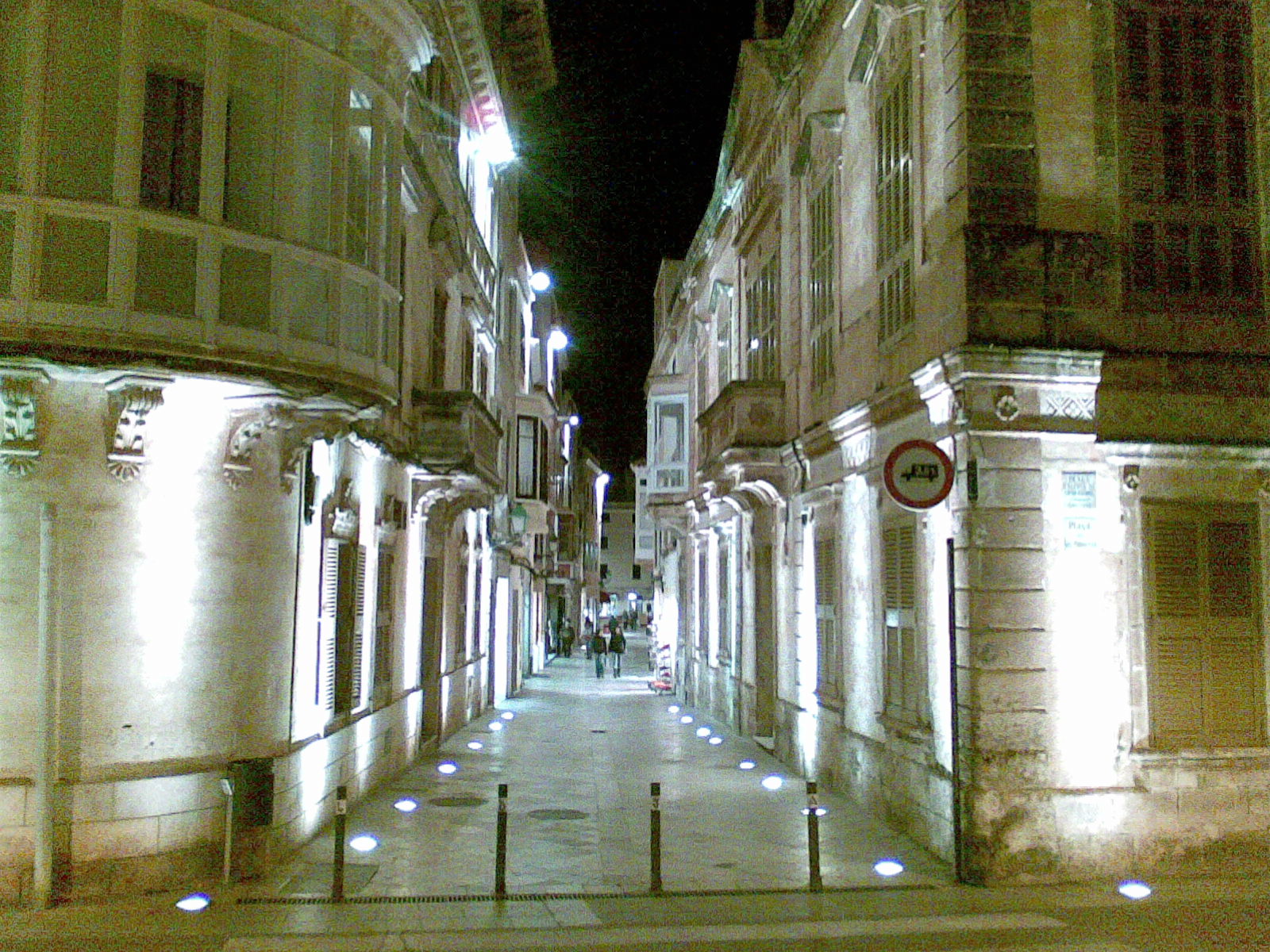
Photo credits: Paul Stephenson from London, CC BY 2.0, via Wikimedia Commons.